

Wine Clubs
100+ Results
Wine Club
Top Pick
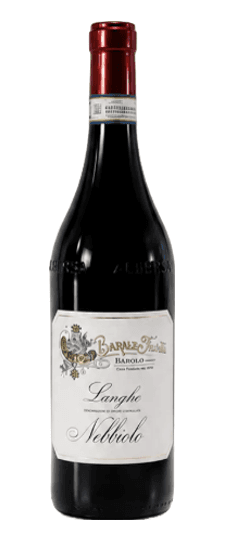
Just bottled, the 2024 Langhe Nebbiolo is a terrific choice for drinking now and over the next handful of years. Crushed flowers, sweet red-toned fruit, mint, cedar, pipe tobacco and crushed flowers are beautifully lifted. This mid-weight, classy Langhe Nebbiolo is all charm. (AG)
Wine Club
Top Pick
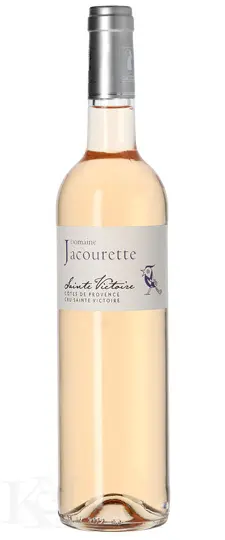
The Jacourette vineyards sit beneath the shadow of the Montagne Sainte-Victoire, the limestone massif that has watched over this corner of Provence since long before Cézanne made it famous on canvas. Over millennia, the mountain's limestone has eroded, forming the surrounding clay soils, laying down the calcareous foundation that gives these wines their signature minerality. We've been working with vigneronne Hélène Dragon since her 2013 vintage, and in that time her style has only sharpened — each vintage leaning further into purity and precision. Her base cuvée has always been a great success for us, a bright and reliable expression of Provençal rosé. But this year, with Sainte-Victoire's elevation to Cru status, we've decided to shift our focus entirely to her top cuvée: select parcels within the Sainte-Victoire Cru, carved out from the lower-yielding vineyards directly beneath the mountain. We couldn't be more thrilled with this decision. For just a few dollars more, this wine offers so much more — riper fruit and a richer, more layered palate: white strawberry, raspberry, grapefruit, and herbes de Provence, with a light fennel note that adds real dimension and sets it apart from lesser bottlings in the appellation. Depth, length, and gorgeous minerality make this a genuinely harmonious glass. This is Provençal rosé built for the table — think roasted vegetables in olive oil, tuna niçoise, brandade on toasted bread, grilled sardines, even lamb chops. Jacourette remains one of our favorite producers working in the region today.
Wine Club
Top Pick
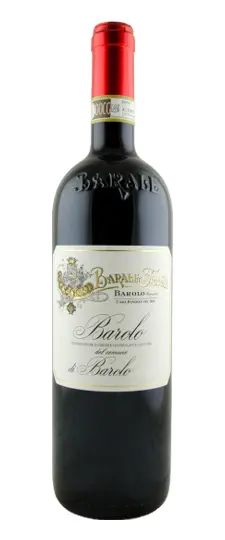
My favorite wine of the flight, the Barale Fratelli 2021 Barolo del Comune di Barolo hints at some of the savory notes (like cured meat and dried tobacco leaf) that we saw in the rest of the range; however, this wine has a stronger and fresher fruit side with cherry and blackberry. It is fermented in stainless steel and matured in French botti for 30 months. (ML)
Wine Club
Top Pick
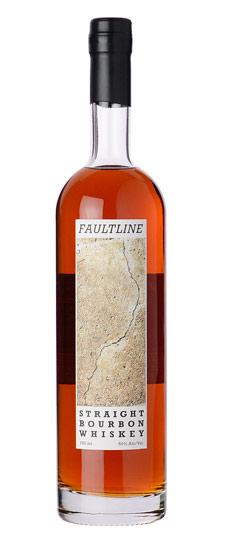
The secret history behind K&L Faultline Indiana Bourbon is one of my most prized memories as a buyer at K&L. Nearly two decades ago, when we first began to deploy a larger-scale strategy for K&L's spirits department, my colleague David Driscoll and I were determined to launch a store label. For years, K&L had sold wine under several private brands, but we had never done the same with spirits. We did not want to simply repackage other people's goods as our own. We would seek out the very best products we could find and bottle them under a label that exemplified our commitment to doing things better. We were drawing a line in the sand, making clear that nothing less would ever go into this special new label. If we couldn't get the quality and price we wanted from our suppliers, we'd create our own products that met the highest standards possible. And thus, Faultline was born. It was a seismic shift in how spirits retailers operated at the time. The name was a tip of the hat to the very real fault lines running beneath our California stores, connecting them in both geological and metaphysical terms. After the success of our first batches of Cognac, gin, single malt, and rum, we knew we had to put a bourbon together. It was not so easy to buy barrels in bulk in those days. While there are old stories of fine MGP rye stocks being offered at ridiculously low prices, the bourbons had already become dear. So when my friend John Little sent us a huge set of samples of great 10- and 7-year-old MGP for Smooth Ambler's single barrel program, I asked how many we could have. He said there were no real limits. After tasting through the set and liking several barrels, but loving none of them, I dumped my samples into a glass to see what would happen. A sort of magic spell was cast at that moment. The beauty of blending revealed itself to me right before my eyes, or more accurately, my nose. Together, the two whiskies simply sang, without any effort or real work. It was an epiphany. With a world of possibilities now open, we began tinkering and blending the lot, selecting certain 10- and 7-year-old barrels and carefully bringing them down to 100 proof. The resulting blend would become a staple on our shelves for the next half decade. But with the sale of Smooth Ambler to Pernod Ricard in 2017, our source dried up. That, in conjunction with the unprecedented bourbon explosion, tabled Faultline Bourbon for many years to come. Now, nearly 10 years later, the cycle begins again: amazing bourbon, available at incredible prices, blended to the flavor profile we have always loved. This rich and complex bourbon does what mature high-rye bourbon can do so well. It melds the sweetness of corn and oak sugars perfectly with the deep, satisfying spice of the barrel. The whole thing is tied up neatly with a bow of beautiful rye character, while the slow proofing we employ adds texture and depth throughout. You might argue about the nuances of this batch or that, but nothing can dethrone Faultline Bourbon as the king of K&L's bourbon shelves.
Wine Club
Top Pick
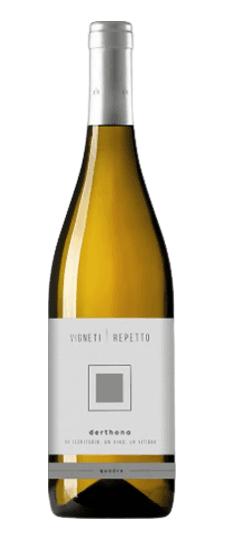
At first this wine feels like walking past a flower shop before it opens, you catch hints of what's inside but need to wait for the full show. Once it opens up, it's like a stone fruit orchestra finding its rhythm, building to a crescendo before taking a refreshing dive into salty ocean waters. *Best Buy* (JP)
Wine Club
Top Pick
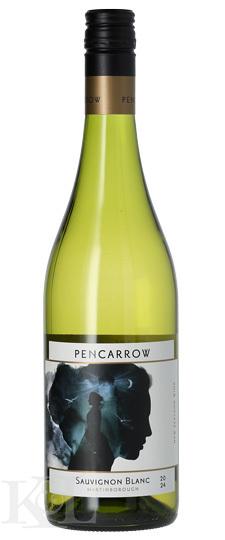
Intensely aromatic, the inviting bouquet shows green rockmelon, kiwifruit, kaffir lime, and jasmine aromas, leading to a delectably expressed palate offering bright fruit flavours with zesty acidity, finishing long and super-tasty.
Wine Club
Top Pick
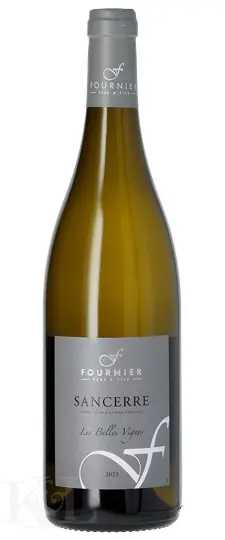
Domaine Fournier, known for its signature site-specific and soil-driven Sancerres, has afforded us the opportunity to feature its flagship cuvée, Les Belles Vignes, in this month's club. Like all white Sancerre, it is 100% Sauvignon Blanc, but what makes this wine special is that it represents an alliance of the appellation's three great soil types: Terres Blanches (Kimmeridgian marl), Caillottes (Oxfordian limestone), and Silex (flint). Each terroir contributes something unique. Terres Blanches provides weight and structure, Caillottes brings freshness and vibrant fruit, while Silex adds minerality and a subtle savory character. When these three elements come together, the result is often greater than the sum of its parts—a wine that captures the complete expression of Sancerre rather than the personality of a single site. The result is a wonderfully balanced Sauvignon Blanc with bright aromas of grapefruit, lemon zest, white peach, and fresh herbs layered over a chalky, flinty backbone that keeps the wine focused and energetic. There is both precision and depth here, with each soil lending its own distinctive voice to the final blend. This is the style that has made Sancerre one of the world's great white wines. Whether paired with freshly shucked oysters, grilled sea bass, roast chicken, or a classic Loire goat cheese, this wine will shine at the table.
Wine Club
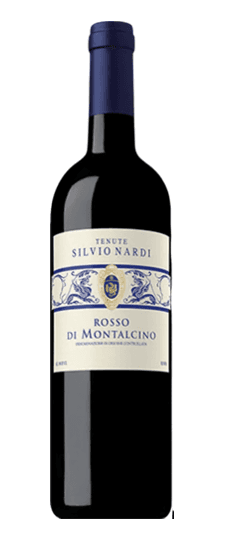
The 2022 Rosso di Montalcino is savory and sweet, with a cascade of rose petals, wild herbs and crushed blackberries. It is juicy and pure in style, with masses of ripe red and blue fruits swirling throughout. It tapers off with medium length. A raspberry and spice staining leaves a pleasantly chewy sensation. (EG)
Wine Club
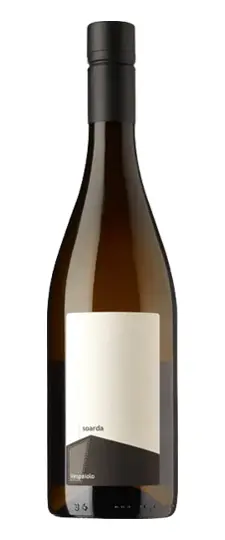
Nestled at the foot of the Asiago plateau in the Veneto region lies the Breganze DOC, an area rich in volcanic history and home to the spectacular Contrà Soarda estate. The name translates to "hamlet on the slope," which perfectly describes the Gottardi family’s breathtaking operation. Pioneers of sustainable viticulture, they constructed a gravity-fed, bio-architecture winery built entirely inside the volcanic hillside to blend into the landscape and naturally regulate temperature. Their vineyards are planted on ancient volcanic tuff and basalt, which provides the ultimate stage for the rare, indigenous Vespaiolo grape. For centuries, Vespaiolo—named after the wasps (vespe) that swarm the vineyards to feast on the sugar-rich berries—was primarily dried to make the famous sweet wine, Torcolato. However, the Gottardi family are masters at showcasing the grape's thrilling potential as a dry white wine. Because Vespaiolo naturally retains sky-high acidity, the volcanic soil acts as a perfect counterweight, adding texture and a profound, savory backbone. In the glass, it shines with a brilliant golden-yellow hue. The nose is a striking blend of acacia flowers, white peach, and citrus zest, anchored by a deep, smoky flintiness. On the palate, it is electric and commanding, with a laser-focused mineral tension and a classic bitter-almond finish. It is the ultimate pairing for the region's famous white asparagus from Bassano, or an elegant seafood risotto.
Wine Club
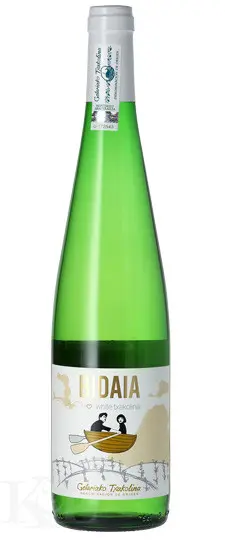
Bidaia translates to “the journey” in Basque – a fitting name for Xabi Urruzola and Garazi del Rey, high-school sweethearts who have traveled the world together and ended back in their home of Getariako, Spain. Together, they grow the local varietals Hondarabbi Zuri and Hondarabbi Beltza on their 8.5-hectare property, where they also make the wine on site. They also own a small restaurant in their 15th century cider-house where locals fill the seats every weekend to enjoy Basque food and wine. The 2024 Getariako Txakolina is a blend of Hondarribi Zuri, Grose Manseng and Petit Corbou, made in a very traditional style to the region. Harvested early, the grapes are fermented in tank and bottled with a touch of lingering carbon dioxide, leading to a low-alcohol (this wine clocks in at just 10.5% alcohol) and distinctly fizzy style of wine that is a joy to drink. Equally zesty and quaffable, this wine is the perfect pairing for the famous pintxos (tapas) of the Basque region. It also is light and refreshing enough to have on its own.
Wine Club
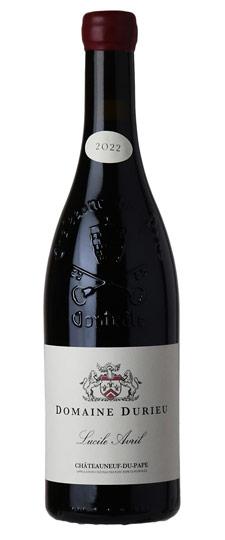
A great masterpiece of elegance and finesse, with a cornucopia of wild herb, dried flower and red berry aromas. Huge concentration and power, but it still moves very gracefully on the full-bodied palate. A stunningly long, pure and refined finish that doesn’t want to let go. (SP)
Wine Club
Top Pick
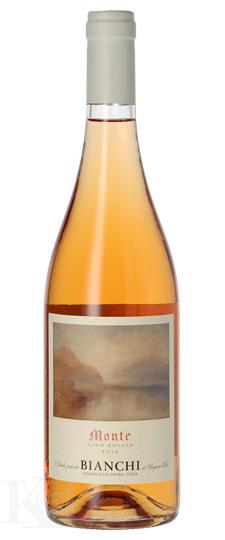
The legendary Pasquero-Elia family, the visionary minds behind the historic Paitin estate in Barbaresco, have embarked on a thrilling new chapter with their "Bianchi" venture. While Paitin has been a cornerstone of traditional winemaking in Neive since 1796, the Bianchi project serves as a fresh, modern canvas for the family to explore vibrant new expressions of their beloved Piedmontese terroir. This Rosato is a masterclass in the versatility of the noble Nebbiolo grape. While their Barbaresco demands years of patient cellaring, this wine is designed to capture the grape's youthful, immediate energy. Sourced from the Langhe's famous calcareous-clay soils, the fruit is harvested specifically for rosé production to maintain high acidity, undergoing just a brief, delicate maceration to extract a perfect kiss of color without the heavy tannins. As the weather warms up, this is exactly what you want chilling in the fridge. It pours a brilliant, pale salmon hue. The nose trades Nebbiolo's brooding dark notes for a bright, springtime bouquet of wild strawberry, white peach, and crushed rose petals. On the palate, it is crisp, bone-dry, and electric, finishing with a savory, mineral snap. It is the ultimate seasonal aperitivo and a gorgeous pairing for fresh goat cheese or a vibrant spring pea risotto.
Wine Club
Top Pick
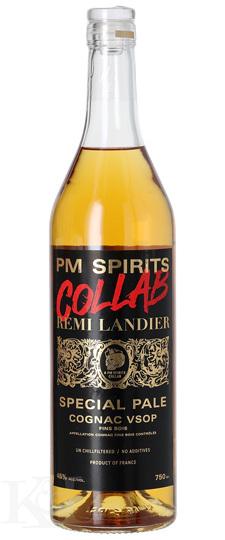
The secretive world of Cognac remains one of the most poorly understood spirits categories, especially considering its broad popularity. Perhaps that lack of transparency is hurting the category, but nothing about Cognac is straightforward or simple. When I first visited the region, I was a young and ardent supporter of additive-free spirits, searching far and wide for excellent, unadulterated expressions to bring home to our customers. We found some very special lots here and there, but it was also clear that a great deal of additive-free Cognac needed those additives, or “blending materials,” as they preferred to call them, to feel complete. I was astounded by the doublespeak and subterfuge surrounding the subject, even among the most reputable houses, both large and small. When we raised the question at the wonderful Ragnaud-Sabourin estate, in the heart of Grande Champagne, the curtain was finally pulled back. Madame Ragnaud was remarkably open about the process, explaining that the wonderful Ragnaud products we knew were built in part around the extraordinary boisé the family had cultivated over many decades. Their oldest and most prized eaux-de-vie, once they had fallen below proof, were segregated and cared for with great reverence, then incorporated in increasingly generous proportions throughout the range. After tasting her exquisite example of the right way to use additives in Cognac, along with literally hundreds of undrinkable young additive-free Cognacs, not to mention plenty of fully dosed young Cognacs that were equally bad, our hardline view began to soften. At the same time, our appreciation grew for those rare producers capable of creating a beautifully balanced spirit without relying on the traditional tools of the trade. It was at that moment that the extraordinary brandies of the Dudognon estate rose in my mind above nearly all others. Their ability to produce such impeccable Cognac without additives suddenly seemed even more remarkable. The Dudognons’ admission that their refusal to use additives was not some dogmatic battle cry, but simply the result of never having learned those techniques, only reinforced the point. Their Cognac was not built around ideology. It was built around exceptional farming, distillation, aging, and instinct. The point of this story is to highlight just how difficult it is to create superlative young Cognac without high-quality boisé serving as the backbone of the blending process. Finding the balance between freshness, oak, fruit, spice, and all the other flavors we expect after only five or seven years in a spirit capable of aging for a century is almost unbelievable. So when we first encountered this special product, I was not remotely shocked to learn that it was intended to sell for more than $100. This batch was purpose-built to achieve a nearly impossible goal. Its quality far exceeds even my wildest expectations, and while I am not necessarily surprised that the producer could not sell through it at the original price, that does not mean it was not worth every penny they were asking. So here we are with an outrageously delicious Cognac, created around a commitment to avoid additives while still delivering a genuinely grandiose experience. Is it simply a younger, more affordable version of Dudognon? Let’s find out. The color is a surprisingly robust deep copper, around 1.0. Many, if not all, of the young additive-free Cognacs we have sold over the years have been closer to white wine or pale straw. Here, the aromas begin to emerge the moment the bottle is opened, and once poured, there is no need to wait for the magic to begin. The layered aromatic profile starts with expressive tropical fruit wrapped in baking spice, slathered in coconut cream, and dusted with cocoa powder. It is far less primary than expected, offering secondary and tertiary notes normally reserved for much older expressions from Grande Champagne. This may be the secret of Fins Bois on full display. When handled perfectly, the faster development associated with this supposedly lesser region can mimic the complexity of far older and more expensive Cognacs from Fine Champagne. With air, the oak and fruit integrate and expand, adding taut, exotic wood tones to the dried-fruit character. The palate opens with an absolutely perfect note of dark chocolate, followed by vibrant, juicy fruit that broadens beautifully through the mid-palate. The 90 proof is carried effortlessly, and a bold line of spice ties the exceptionally long finish together. Were we determined to nitpick, the only missing element might be the profound weight and density of truly old Grande Champagne. But I can point to only one producer capable of achieving that character without additives, and Dudognon needs more than 20 years and two or three times the price to get there. At this price, for as long as it lasts, this exceptional brandy surpasses everything else in the category for sheer value. It is affordable enough to throw around in a summer cocktail, yet deep and complex enough to pour contemplatively for several hours in front of the fire. There is simply no reason to buy another Cognac under $50 right now. The headlines may insist that no one is drinking Cognac, but I would argue that no one should be drinking anything but this. It is a tremendous deal by any measure. Load up while you can. I bought everything I could get my hands on, but opportunities like this have a habit of disappearing far faster than anyone expects.
Wine Club
Top Pick
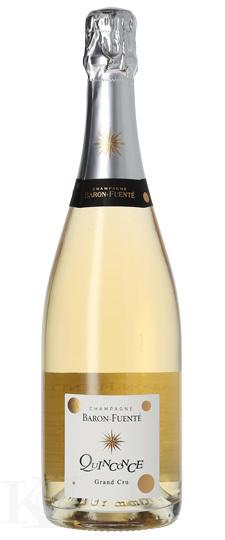
This bold and structured champagne has plenty of mature character, but also a lovely lemony freshness and lively mousse that gives it good drive at the crisp finish. A cuvee of 55% chardonnay and 45% pinot noir that was aged for seven years.
Wine Club
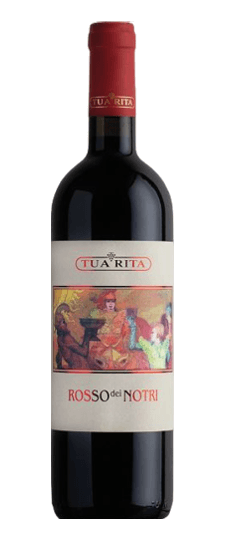
Lovely crushed berry and cherry aromas and flavors. Medium-bodied with bright acidity and a crunchy and delicious finish. A blend of mostly merlot and cabernet sauvignon with some syrah and cabernet franc. Drink now. (JS)
Wine Club
Top Pick
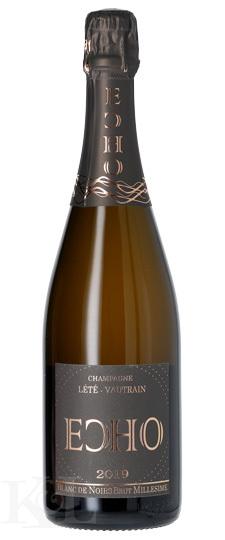
Fresh apple skin, rose, violet, and almond paste on the nose, smelling fresh and invitingly creamy. The palate delivers wild flowers, almond pastry cream, and stone through a precise and clean finish with lovely persistence. Fresh and enjoyable now alongside a fruit and almond tart. (ACC)
Wine Club
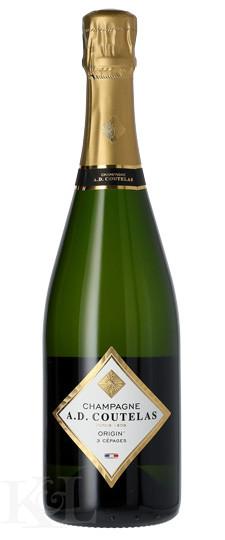
Pale gold color. Nose gives crisp pear, almond biscotti and sourdough crust. A round palate of maraschino cherry cordial, marzipan and lime. Perfection!
Wine Club
Top Pick
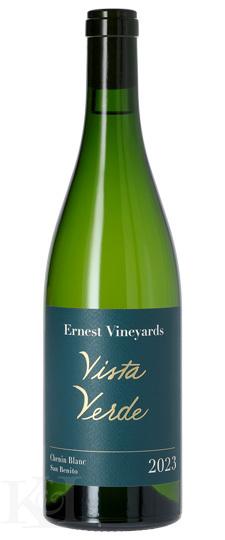
What a great Chenin Blanc - beautifully perfumed like magnolia flowers, with delicate, sweet, yet zesty floral notes right at the front. Sourced from the limestone soils of the Vista Verde vineyard in San Benito County, this wine feels like a study in restraint. Joseph Ryan's winemaking choices include a light press of the clusters, fermentation in neutral French oak puncheons, and a patient 18-month elevage, including six months in stainless steel before bottling. Ryan says it helps to 'tighten' the wine’s frame, focusing the fruit and refreshing the acidity after its time in wood. The high acidity supports a palate that shows a lightly viscous, slightly waxy mouthfeel with flavors of quince paste, crunchy pears, and lemon peel. While the citrus notes dominate through the finish, there's a somewhat savory, umami note at the end that grounds the floral lift. It's a wine that feels very intentional and interesting.
Wine Club
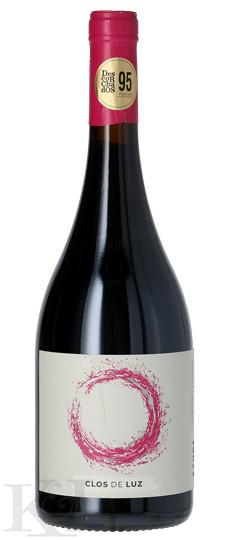
It’s encouraging to see one of Chile’s best young winemakers eschewing oak altogether to produce a concrete fermented and aged Carmenère. Floral, detailed and ethereal, it has lovely poise and balance, granular tannins, a waft of coriander and basil and juicy bramble and red pepper flavours. Classy stuff.
Wine Club
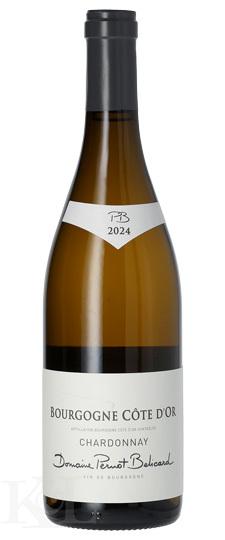
Clear pale colour. A fresh chardonnay nose, not opulent and not reductive. Really nicely balanced, just what one would be looking for under this label, with a little burst of energy towards the back. Refreshing, medium-bodied, will be enjoyable soon. Drink from 2027-2029. Tasted Oct 2025.
Wine Club
Top Pick
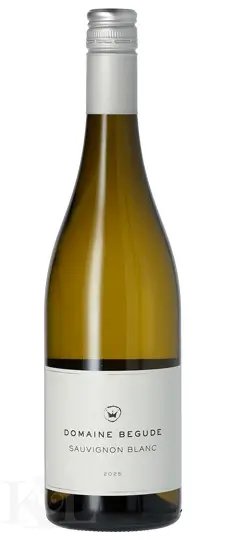
Domaine Begude was purchased in 2003 by British couple James and Catherine Kinglake. The Kinglakes converted the vineyard to organic production, using only natural fertilizers and no irrigation. Today their wines are among our best direct imports with an array including Chardonnay, Viognier, Pinot Noir and even Grüner Veltliner. The wines are made by Laurent Girault, a native of Charente who has made wine all over France as well as New Zealand’s Central Otago region. Laurent’s winemaking style is clean, honest and done with little intervention. The Sauvignon Blanc is vinified in stainless steel to preserve a fresh, bright profile. Snappy and vibrant, this little wine shows notes of gooseberry, lemongrass and citrus zest on the palate, and is a great match to vegetable dishes. One of our favorite pairings for the wine is a fresh herbed goat cheese salad.
Wine Club

Note: from a .80 ha holding in Les Bondues. A background hint of reduction shaves the top notes from the ripe aromas of various white-fleshed fruit, citrus confit and discreet floral nuances. Here too there is fine mid-palate density to the equally powerful medium weight flavors that coat the mouth with sappy dry extract that also buffers the moderately firm, serious and long finale. This too is a very good effort and worth checking out.*Burghound Outstanding!*
Wine Club
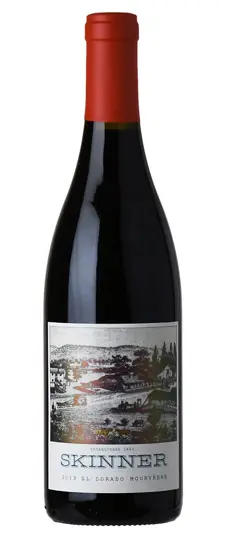
The 2019 Mourvèdre from Skinner Vineyards comes in at 13.5 percent alcohol and is raised entirely in used French oak casks during its elevage. The wine is impressively transparent in profile and offers up a lovely aromatic constellation of pomegranate, dark berries, pepper, smoked meats, a fine base of soil, cigar smoke and incipient notes of cola in the upper register. On the palate the wine is bright, full-bodied and peppery, with a good core, fine mineral drive and grip, ripe tannins and fine balance on the long, focused and youthfully complex finish. This is a very fine example of mourvèdre.
Wine Club
Top Pick
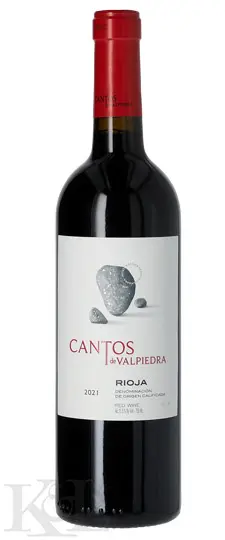
Seductive depth and focus on the nose, at once fresh and complex, with mineral freshness underpinning the richness of the ripe red fruit. It leverages the juiciness of the Garnacha fruit, with a citric drive of blood orange,pink grapefruit and red apple crunch. Focus and energy throughout, with a lingering sweet spiciness on the long finish. (IS)
Wine Club
Top Pick
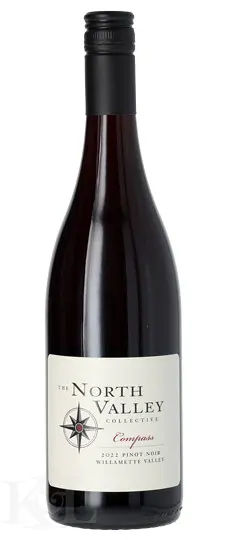
Willamette Valley Pinot Noir for only $19.95? Well, yes and no. Yes, it's $19.95 at K&L, but it's higher everywhere else - if you can find it. The 2022 North Valley Compass is a blend from five biodynamically farmed vineyards in the Willamette Valley and is pure organic Oregon Pinot Noir that punches way above its price point. Aged for ten months if French oak, 25% new, the Compass has notes of black tea, blackberry, dark strawberry, cranberry, pomegranate, rose petals, and baking spices
Wine Club
Top Pick
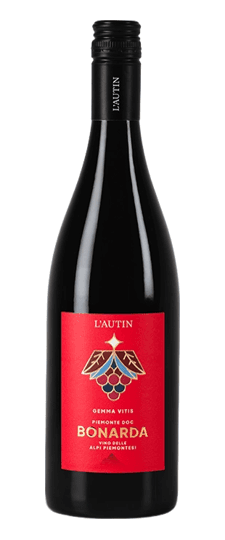
If you want to discover the hidden, rugged side of Piedmontese viticulture, you have to leave the famous rolling hills of the Langhe and head west toward the jagged peaks of the Cottian Alps. Here, in the Pinerolese appellation just outside of Turin, you will find L’Autin. The name translates to "the little vineyard" in the local dialect, an apt title for an estate that champions tiny, high-altitude plots of native grapes. The terroir here is defined by the mountains: it is cooler, dramatically steeper, and the soils are packed with crushed stone and minerals. (In fact, the estate is so tied to the local geology that they age their sparkling wines deep inside an abandoned talc mine!). The "Gemma Vitis" is a celebration of the local Bonarda grape, specifically adapted to this cool, alpine-adjacent climate. Because of the extreme diurnal temperature shifts, the grapes develop thick skins and brilliant natural acidity. This isn't a heavy, brooding red. The mountain terroir translates into a wine of incredible crunch and energy. It pours a vibrant, deep purple, offering bright, rustic aromatics of wild blackberry, crushed raspberry, and a distinct, graphite-like minerality derived from the rocky soil. On the palate, it is juicy, vertical, and refreshing, with a mouth-watering finish that begs for a plate of rich, local tajarin pasta or a spread of cured alpine meats.
Wine Club
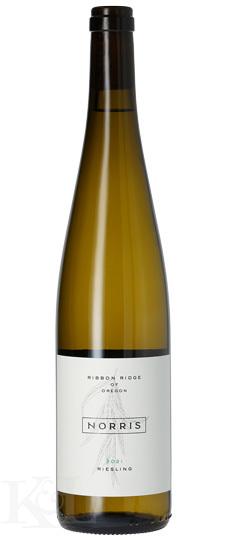
A well-rounded, mellow and smooth white with stone fruit, blanched almonds and some white flowers. Medium-bodied, with a succulent core of baked lemons and a salivating finish.
Wine Club
Top Pick
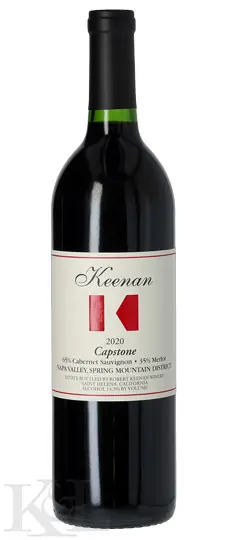
This blend of 65% Cabernet Sauvignon and 35% Merlot from Keenan’s Spring Mountain estate opens with high-toned violet and graphite aromas that build into a full-bodied palate. Dusty tannins frame emerging notes of forest berries, dark loamy earth, leather, and tobacco spice. A powerful wine with firm structure and excellent ageing potential, its baking spice character adds dimension to the wine’s vibrancy and depth. (JC)
Wine Club
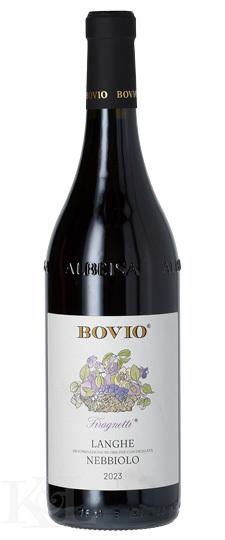
When discussing traditional Piedmontese winemaking, the Bovio family holds a revered place in La Morra. Originally famous as local restaurateurs, the late Gianfranco Bovio revitalized his father's estate in the 1970s, establishing a winery that has become a benchmark for classic, terroir-driven Nebbiolo. Today, the third generation continues this legacy, deeply committed to preserving the historic style of the Langhe. The "Firagnetti" Langhe Nebbiolo—named after a Piedmontese dialect term referring to a vineyard area with short rows—is the perfect introduction to the Bovio philosophy. Sourced from the estate’s younger vines, this wine offers the noble pedigree of Barolo without the prerequisite decade of cellaring. The vines thrive in the calcareous-clay soils of La Morra, known for yielding Nebbiolo with pronounced elegance and perfume rather than brute force. In the glass, it reveals a brilliant, translucent ruby color. The nose is incredibly expressive, offering a classic bouquet of dried cherries, crushed roses, and the subtle hint of leather and spice that defines the grape. On the palate, it is vibrant and approachable. Instead of gripping tannins, it delivers a lively freshness and a graceful, spicy finish, making it a dream pairing for agnolotti del plin or roasted poultry.
Wine Club
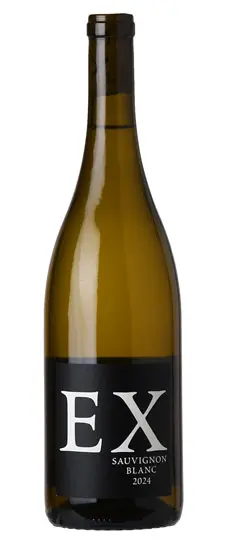
Super pale in the glass, almost like water, this bottling explodes on the nose with intense aromas of honeydew, pomelo and green apple, with hints of peppercorn and cut grass arising as well. The palate is grippy and vivid with Granny Smith apple, lime peel and grass flavors. *Best Buy* (MK)
Wine Club
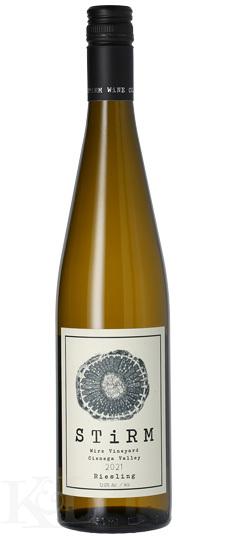
Light gold. Smells of wet chalkboard, lemon peel and orange oil. Stony flavours of lemon peel, orange peel and dried herbs mix with wet pavement. A faint chalky texture coats the palate. Lean and bright. Excellent acidity. (AY)
Wine Club
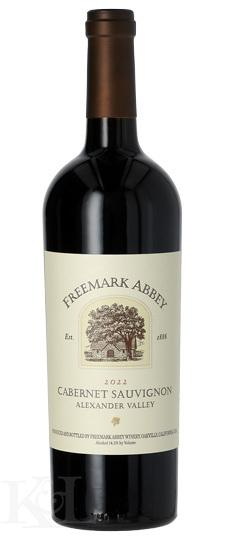
The history of Freemark Abbey began in 1886, when Josephine Marlin Tychson became the first woman to build and operate a winery in California. The historic site where Josephine's winery, Tychson Cellars, once stood is now known as Freemark Abbey. Josephine, a native of San Lorenzo, California and her husband, John Tychson, a Danish immigrant, moved to St. Helena in 1881. For $8,500, they purchased 147 acres north of St. Helena, which later became known as "Tychson Hill". Shortly after her husband's death, Josephine began construction of a fifty square foot redwood winery which would grow to hold a capacity of about 30,000 gallons. In addition, she hired Nils Larsen, an experienced vintner, as her foreman. Josephine successfully produced wine for the next eight years and then sold the winery to Larsen in 1894. In turn, Larsen leased the winery to Antonio Forni, a good friend of Josephine's. Forni later purchased the property in 1898. Forni is responsible for building a new winery on the old site of the Tychson structure. In the years that followed, Freemark Abbey went through a period of several different owners until 1966, when a group of partners purchased the winery. Ted Edwards is one of the longest tenured winemakers in Napa Valley. After forty years as director of winemaking at Freemark Abbey, Ted transitioned to the role of Winemaker Emeritus in 2020.
Wine Club
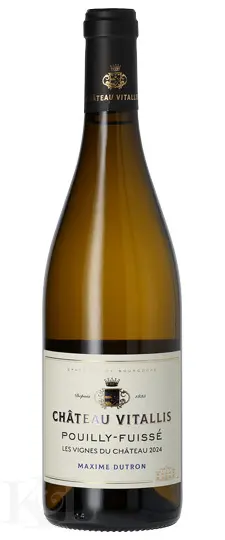
*Silver Medal Decanter World Wine Awards 2026* Lemon, peach blossom and a hint of toast on the nose. Fresh and crisp wine with peach flavours and a savoury, long finish.
Wine Club
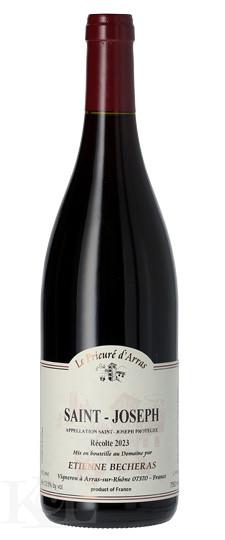
Étienne Becheras's domaine is based in the village of Arras, on the western bank of the Rhône in the St-Joseph appellation. The 12-hectare polycultural estate is farmed organically, with four hectares of vineyards planted on steep, terraced hillsides of limestone and gravel, supported by hand-constructed stone walls. Nearly all vineyard work is done by hand. Of the four hectares under vine, 3.6 hectares are planted to Syrah across plots in the neighboring villages of Arras and Vion, with the remainder planted to Marsanne and Roussanne. Becheras also farms an additional hectare of Syrah in Mercurol to the south, from which a small amount of Crozes-Hermitage is produced.
Wine Club
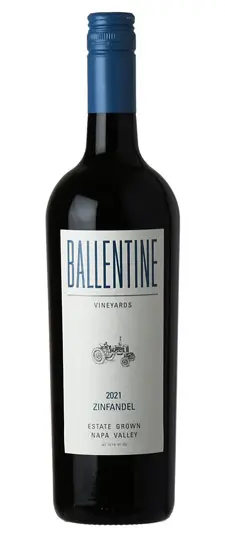
The 2021 Zinfandel Estate Grown, with 5% Petite Sirah and 2% Malbec in the blend, is medium to deep garnet-purple in color. It rolls out with fragrant notes of baked black cherries, fruitcake, and raspberry preserves plus hints of Chinese five spice, rose oil, and black tea. The full-bodied palate delivers great tension and intensity, with lightly chewy tannins and a long perfumed finish.
Wine Club
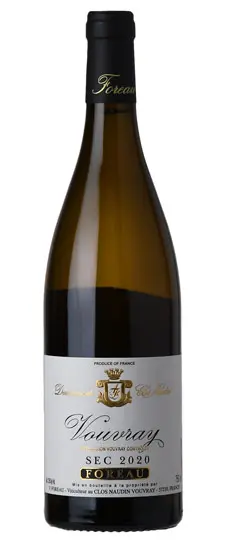
The 2020 Vouvray Sec, tasted in the cellar last year, and this year chez moi, is a quiet, unshowy wine. Its class is clear, and it doesn't need to shout about it with ambitious posturing or fancy winemaking. It is pure and simple fruit finesse. Sitting delicately on the palate, it is all about elegance and simply being. I would give it a higher mark, but it doesn’t have the length it needs, but then I don't think the Foreaus much care about ratings. (RG)
Wine Club
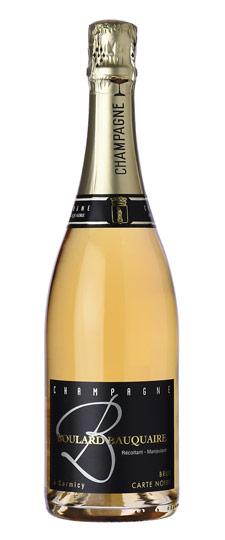
Showing red apple, minerality, and more depth than the Trépail in my opinion, this has a little extra complexity while still staying fresh and accessible. The added mineral note gives it a firmer backbone and makes it feel complete on the finish.
Wine Club
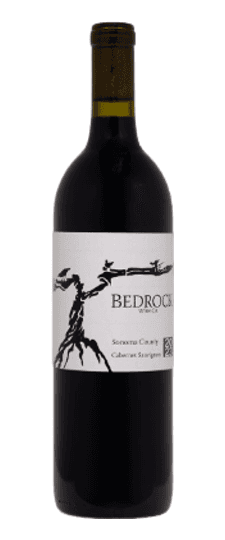
Meant to be an entry-level wine, the 2023 Cabernet Sauvignon (Sonoma County) is positively stellar. Black cherry, gravel, lavender, mocha, licorice and spice are all dialed up. In its first vintages, this bottling was made from leftovers, but in 2023 the approach is more deliberate, and it shows. Vineyard sites are Bedrock, Lazy Dog, Monte Rosso and Montecillo. (AG)
Wine Club
Top Pick
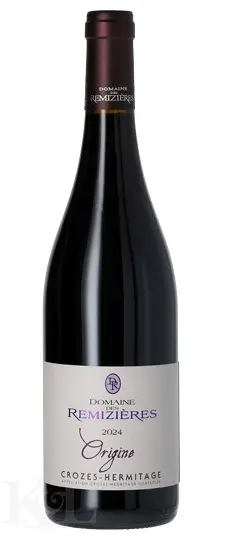
The classy 2024 Crozes-Hermitage Origine shows well as it opens with intense white pepper, blackberry and fleshy tones. Midweighted, gently structured by ripe tannins and concentrated, the 2024 presents its final lift with persistence on the savory-spiced close. (NG)
Wine Club
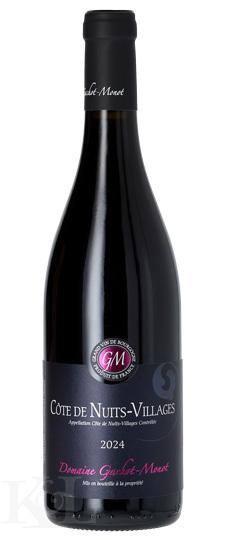
Domaine Gachot-Monot is based in Corgoloin on the northern edge of the Côte de Nuits between Nuits-Saint-Georges and the Hautes-Côtes. Under Pierre Gachot and Élisabeth Monot, the estate built a reputation for reliable, value-focused Burgundy, with vineyards spread across Corgoloin and nearby villages that offer a clear read on local sites. Farming is traditional, with attentive vineyard work and controlled yields. In the cellar, the focus stays on balance and transparency, using moderate extraction and mostly older oak to keep the emphasis on origin rather than élevage. The domaine has become a long-standing K&L fixture for consistency and authentic Côte de Nuits character at everyday prices.
Wine Club
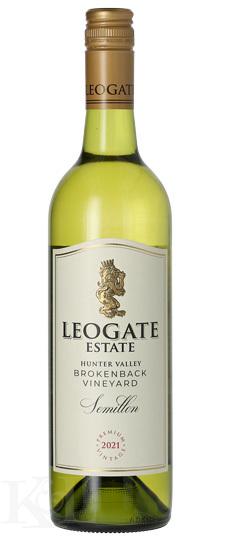
Located at the foot of the Brokenback Ranges in Australia’s oldest wine-producing region, the Hunter Valley, Leogate Estate was first planted in the 1970s by “one of the founding fathers of the modern Australian wine industry”, Len Evans AO OBE. Current custodians Bill and Vicki Widin bought the original 50-hectare Brokenback Vineyard in 2008. They have used their own knowledge and experience on the land, along with the expertise of others such as senior winemaker Mark Woods, to reinvigorate the property. The Brokenback Semillon is harvested early, so the final ABV is a mere 11.5% and the acid structure is vibrant and lively now as a young wine, but will soften and gain complexity with age.
Wine Club
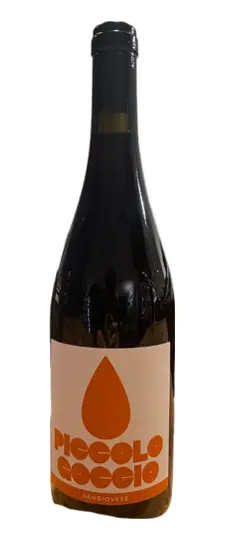
Sometimes, the most compelling wines come from the most humble philosophies. "Piccolo Goccio" translates to "Little Drop," a name that perfectly encapsulates the artisanal, boutique approach behind this wine. In a world where Sangiovese is often blended, heavily oaked, or polished to meet international tastes, this project is a refreshing return to the grape's unadulterated, rustic roots in central Italy. This wine is a tribute to the rolling, sun-drenched hills of Tuscany, where Sangiovese has thrived for centuries. By sourcing fruit from small, dedicated plots and utilizing a gentle, low-intervention approach in the cellar (often leaning entirely on stainless steel or neutral vessels), the winemaking steps out of the way to let the raw terroir speak. The result is a wine that captures the nervous, joyful energy of Sangiovese. It pours a brilliant, translucent ruby, offering immediate aromatics of crunchy red cherries, wild strawberry, and a savory hint of wild thyme. It is light on its feet, with that signature mouth-watering acidity and a dusty, earthy finish. It’s an honest, "glou-glou" style of Sangiovese that demands a spot on your picnic blanket alongside hard pecorino cheese and finocchiona salami.
Wine Club
Top Pick
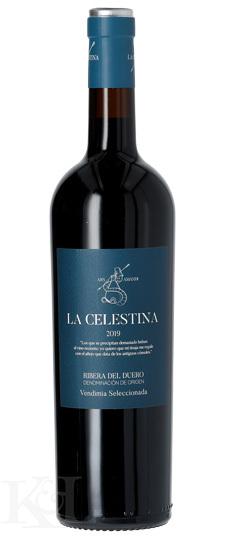
Dark and brambly aromas with hints of violet leaf, blackberry, clove and basalt. The youthful palate is taut with powerful, ripe tannins. An excellent release. *Silver Medal - 2022 Decanter World Wine Awards*
Wine Club
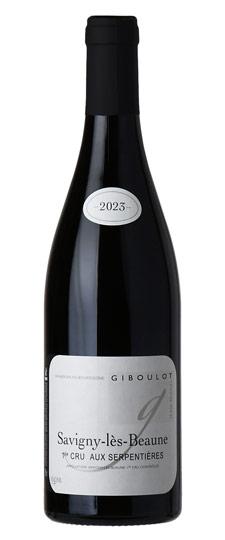
The Serpentieres is neither the heaviest nor the lightest of the Giboulot 1er Cru foursome. This wine has pretty aromas of bitter chocolate, red flowers, wild strawberry and crushed rock with a beguiling palate of gorgeous pure red fruits that start to enter the purple and black fruit range with subtle hints of chocolate and oak along with mineral accents. The acidity holds multi-layered, complex, fruit forward offering together and gives it an energetic and long finish. An understated beauty that definitely merits your attention.
Wine Club
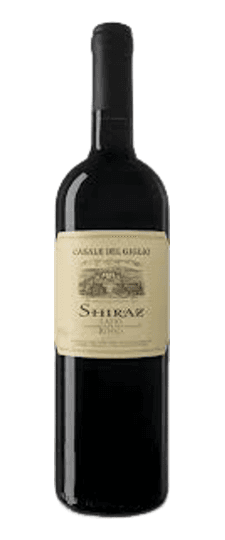
Distinct notes of black peppercorns, smoked bacon, grilled herbs and black fruit here. Medium to full body with firm, ripe tannins. Savory and compact. Drink now or hold.
Wine Club
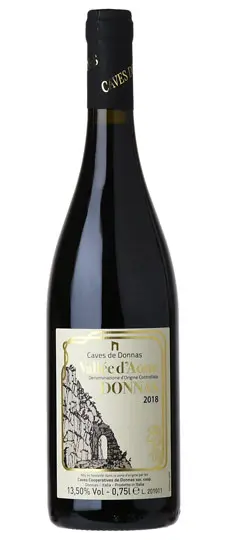
The 2018 Donnas opens slowly in the glass with a pretty display of violets and rose, a whiff of exotic spice, wet stone and wild berries. It’s silky and round in texture, with a dense and savory wave of red and black fruits that saturate the senses. Inner florals and anise linger over a twang of sour citrus, as this tapers off lightly structured yet long, leaving a hint of plum and a peppery flourish. Lovers of cool-climate Nebbiolo will love this Valle d’Aosta take on the variety. (EG)
Wine Club
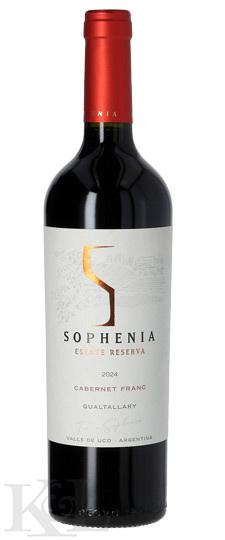
Produced from two of Sophenia’s three hectares of Cabernet Franc in Gualtallary, this Estate Reserva is aged for one year in barrels with 8% new oak. The wine features a juicy blend of the variety’s characteristic herbal notes alongside tart red and black fruits. Its texture is taut, defined by firm, sharp tannins. This selection pairs perfectly with pork tenderloin.
Wine Club
Top Pick
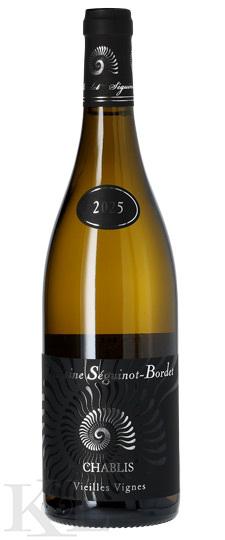
Domaine Séguinot-Bordet ranks among the oldest family estates in Chablis, with documented roots in Maligny dating to 1590. Today, Jean-François Bordet oversees a 16-hectare domaine on the right bank of the Serein, where many vineyard parcels enjoy prime south and southeast exposures on classic Kimmeridgian soils. The estate remains firmly focused on Chardonnay, producing a range from Petit Chablis through Premier Cru and Grand Cru bottlings. Vineyard work emphasizes careful stewardship of the land, including massal selections and environmentally conscious farming. In the cellar, Bordet favors stainless steel, employing distinctive horizontal tanks that increase lees contact while preserving the purity, energy, and mineral precision that define traditional Chablis. The resulting wines have earned a reputation for clarity, balance, and a transparent expression of site, making Séguinot-Bordet one of the region’s enduring benchmarks.
Join our list
Exclusive offers, new arrivals, and expert picks