Spirits
We started as K&L Liquors back in 1976, and while the name has changed, our obsession with great spirits has only grown. Today our buyers travel to Kentucky rickhouses, Scottish distilleries, and agave fields in Oaxaca to hand-select exclusive single barrels and small batches you won’t find anywhere else. From our own Faultline label to the biggest names in whiskey, we carry it all — and our real-time inventory means what you see is what we’ve got.
2500+ Results
Top Pick
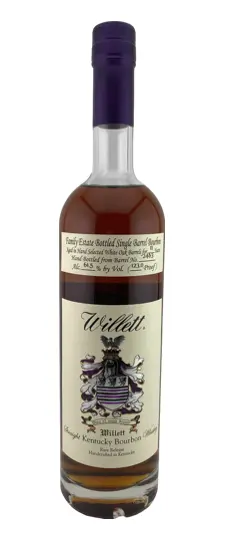
There was once a time when we could have nearly anything we wanted in the wonderful Willett warehouses. Back in the day, our friends the Kulsveens didn't have every liquor store in America breaking down their doors to get a barrel of their special bourbon. Until 2012, they had sourced every drop, yet something about those special ricks on the hill behind Bardstown seemed to uniformly create exceptional whisky. Honestly, they were extremely ahead of their time in almost every aspect of their business, but when the distillery opened, the doors to those rickhouses closed. Now we're extremely lucky to get our one barrel a year. It's funny because those stocks are actually controlled by the distributor, and so while we definitely feel like we should be getting the lion's share of the barrels for K&L - after all, we were some of the first to jump on the single barrel bus long ago - it's hard to fault them for only giving us one, considering they have to split their allocations between five states and thousands of stores. But, as I am wont to do, I must push every button when there's something I love and believe my customers will benefit from owning. So the choice to pick a 15-year-old barrel as our only Willett seems easy on paper - an incredibly delicious and rare barrel from the pre-distillation sourced stock - but it was actually incredibly difficult. That's mostly because of this special barrel. This is easily the best own distillate I've yet to taste, and while I'm sure there are many other, perhaps superior, barrels distilled since they opened in 2012, this one was so perfectly balanced and delicious that it absolutely sang to me. So while I ultimately picked the 15-year, I asked Ethan - the single barrel guru at Willett - to hide this sample for a few days while I worked my magic. I began to prod and pester our distributor for an additional barrel allocation, but their hands were tied. They'd already committed every barrel, and I was one of the few in California to get access to a 15-year, so my political capital seemed to be spent. Our final option was to get to the New York market, where our newly opened store had not qualified for an allocation because we were so new to the local distributor there. I begged and pleaded, but the rules in New York are extremely strict. You simply can't be allocated a barrel if there are other accounts that qualify ahead of you. So I simply left it up to fate and begged Ethan to continue guarding that sample. In an amazing stroke of luck, not a few weeks later, I got a call from our supplier in New York saying one of our competitors had backed out of their pick and the allocation had opened up. Without hesitation, I mentioned this incredible barrel, and the rest is history. K&L's first Willett barrel in New York and one of the greatest modern Willetts I've ever tasted. Sometimes the stars align and the gods of bourbon allow you to step through the gates. I'm very lucky to have people in every aspect of this business who care about what we do. They know how much I care for them. They are the bourbon angels who made this possible. I won't go into tasting notes or anything like that here today. I've already been effusive enough, but rest assured, no one who understands the potential greatness that modern Willett can deliver will open this bottle and be disappointed. The barrel is named for the song that came on as we drove up that special drive to the legendary spot, "This Must Be the Place" by Talking Heads. It's true of Willett and that special spot at 270 Madison Ave in the great state of New York. We have arrived.
Top Pick
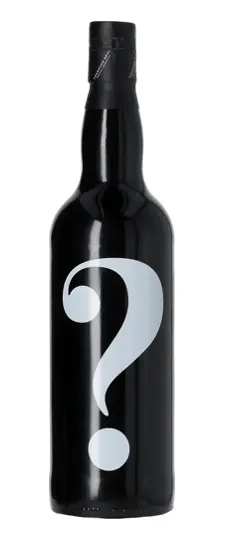
There have been few greater pleasures in my 20-plus years exploring whisky than the opportunity to taste blind. It happens so infrequently, and I have officially exhausted my credits asking my wife to organize tastings, that I simply never get to do it. So when our friends at Thompson Bros first mentioned this project a couple of years ago, I was absolutely floored. They proposed sourcing a huge variety of single casks and bottling them without revealing any specific details until the bottle was opened. I assumed the federal regulators might object, but it turns out the required information can be concealed beneath the capsule. The craziest part of the project is the extraordinary effort the brothers have made to balance the quality of every six-pack. Buy a sealed case and you are guaranteed six completely different single casks, carefully selected so that the overall quality remains remarkably consistent from case to case. It is a ready-made blind tasting requiring virtually no effort, and the list of possible casks is genuinely exciting and unusual. The project has now attracted significant international attention, and distillers increasingly see it as a calling card for their stocks rather than some goofy side project. As a result, the brothers have been able to source particularly compelling barrels for the series. I opened six and could not have had more fun. With a little care, you can easily avoid identifying the distillery when opening each bottle. Simply leave the foil around the cap intact, note which side conceals the round sticker underneath, and keep it facing away. You will have an instant blind tasting of the highest order. For several of these casks, this is the first expression from this distillery ever sold in the US. The list is HERE of what you might encounter: PLEASE NOTE ALL CASKS ARE BOTTLED 48% without Chill-filtration. Distillery AGE No. Bottles Cask Type Speyside 29 Year 89 Btls Refill Sherry Butt Inchmurrin 28 Year 24 Btls Refill Sherry Butt Inchgower 27 Year 29 Btls Refill Bourbon Hogshead Bruichladdich 21 Year 8 Btls First Fill Bourbon ASB Teaninich 17 Year 30 Btls Oloroso Hhd Tormore 17 Year 173 Btls Sauternes Cask Royal Bra 16 Year 19 Btls Refill Hhd Craigellachie 15 Year 64 Btls Refill Hhd Teaninich 12 Year 36 Btls Stout Barrel Bunnahabhain 11 Year 27 Btls Refill Hhd Wolfburn 11 Year 8 Btls Sherry Hhd Lochranza 10 Year 79 Btls Refill Sherry Hhd Kingsbarns 8 Year 133 Btls First Fill Bourbon Torabhaig 7 Year 149 Btls First Fill Bourbon Nc’Nean 5 Year 159 Btls STR Dornoch 5 Year 56 Btls Rye & Bourbon Lagg 5 Year 21 Btls First Fill Bourbon Glasgow 5 Year 10 Btls American Oak Virgin ASB Lochlea 4 Year 162 Btls Refill Bourbon Raasay 4 Year 120 Btls Dutch Oak Virgin Hhd
Pre-Arrival
Top Pick
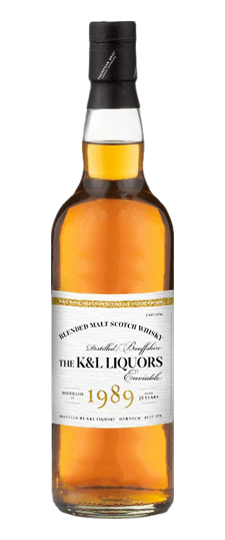
The wild success of the Sideburns 35 Year has rattled the cage of more than one large company in Scotland. If you haven’t seen my review of that product, I highly recommend taking a look: https://shop.klwines.com/products/details/1918829 . The short version is this: we may be on the precipice of a new golden age of Scotch, and K&L is perfectly positioned to take advantage of the market asymmetry. While our marketing of the previous batch was met with side eyes and raised eyebrows from the original owners of the stocks and trademarks, other suppliers with similar inventories saw it as a signal. This was an opportunity. It would seem our prayers have been answered. Another incredible value in old malt has landed in our lap, and this time the deal is even more impressive. There are, of course, differences in the stock. This distillate comes entirely from November 1989 and was matured in refill hogsheads, rather than the first-fill sherry hogsheads of Batch #1. The proof is slightly lower, but still a robust 47-48% for a whisky of such advanced age. Remember, Scotch typically loses up to 1% ABV per year and enters the cask around 63%. So yes, older, slightly lower in proof, and without the fashionable sherry influence, yet 25% cheaper. If you ask me, old malt like this absolutely thrives in refill hogsheads. While I often insist on first or second fill for younger whisky, at this age the nuance of second or third fill can be profoundly beneficial. In any case, if it’s not already clear, this malt is drawn almost entirely from one of Speyside’s most beloved distillers. Search “Burnside,” the Cadenhead/Springbank-owned blended malt, if you want clues to the source. We’re being intentionally careful about naming names, but suffice it to say this parcel comes from the cellars of one of the industry’s most powerful blending houses. Whether it was once destined as a top note for premium blends or simply forgotten stock, it now stands as perhaps the greatest value I’ve ever offered. Twice in six months. It really does feel like the start of something bigger.
Estimated Fulfillment: 10/31/2026
Top Pick
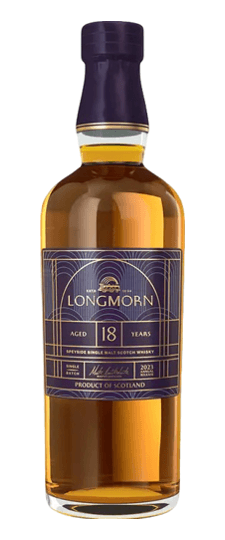
I am completely in love with Longmorn, but the distillery has been sadly absent from our shelves for many years. We used to do exceptionally well with the well-priced 16-year, which was creamy, delicious, and easy to recommend. Eventually, though, the price went wild, and then the whisky was discontinued altogether. When the owners relaunched the brand, they got so much right: a limited-release 18-year-old, non-chill filtered, cask strength, small batch whisky from one of Speyside’s great underappreciated distilleries. There was only one problem: the price was absolutely insane. Nearly $300! Now, at more than half off, we are getting serious about this one. Apparently, this is the last discount they will be offering on the product, but who cares? If the price keeps going down, we will keep reloading. Let’s have a go. The color is burnished gold (1.1). The nose is absolutely classic Longmorn: rich roasted vanilla, a huge pan of roasted fruits, persimmon, pear, and pineapple, and dense, zingy barrel spice with galangal, cinnamon, more vanilla, and clove. With water, it opens toward Seville orange peel and fresh-baked biscuits, though the core remains firmly centered on roasted fruits and earthy spice. The texture is full-bodied and almost thick, with wildflower honey, wax fruit, roasted malt, dark chocolate, and buttercream. It absolutely loves a splash of water, softening and broadening in a wonderful way without losing its depth. This is still a special luxury whisky, but at this price it feels extremely fair rather than sort of silly and over the top. If you love Longmorn or Speyside whisky in general, this is an easy choice.
Top Pick
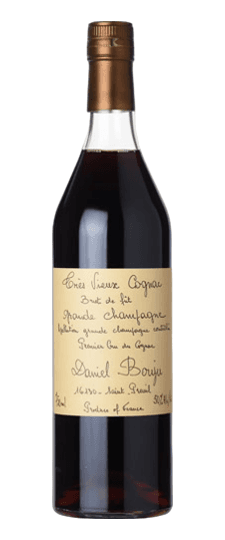
This is one of the most exciting Cognacs we've ever stocked, particularly now that we're able to offer it at a price that better reflects just how extraordinary the age and pedigree are. It's a total bomb, not suited for most large-house Cognac drinkers, but it will easily win over lovers of old, unobtainable American whiskey, intensely sherried malt, or cask-strength Armagnac. Lovers of dense and powerful dark spirits of any kind, take note. This is a selection from Bouju's oldest stocks, with a minimum age of around 40 years and a not insignificant proportion of brandies much, much older, perhaps 80+ years old. According to M. Bouju, it's bottled without coloring, filtration, or reduction of any kind. He insists the excessively dark color is the result of that lack of reduction, something that normally happens several times during an eau-de-vie's maturation and blending. Instead, he distills and reduces slightly before barreling, then does absolutely nothing else for the next four decades. When it reaches 100 proof naturally, it's transferred into a special vat, from which only a portion is removed for each bottling. So the young, 40-year-old Cognac mingles with small portions of every previous batch that has gone into the vat. The resulting Cognac is a force of nature. The nose puts us squarely in bourbon land: dense, dry, and woodsy, with fruit compote of figs and plums, cacao nibs, sweet herbs, and all kinds of baking spice. Relatively gentle on the palate considering the high proof, but very dry, with dark fruit and a huge minty, herbal finish. A benchmark by any standard. 5 Stars.
Top Pick
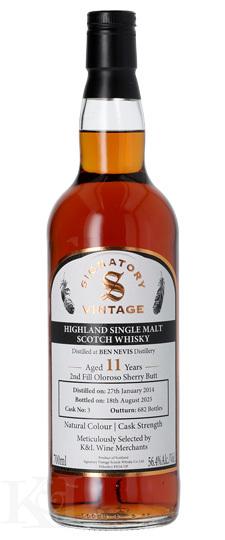
Year after year, Signatory brings us some of the best casks anywhere in the industry, and over the past two years they have recommitted to putting absolutely insane deals on the table for us. This year it’s a selection of classic Islays alongside this impeccable Ben Nevis. There was a period just a few years ago when similar casks were trading for twice this price, but here we have an absolutely perfect refill sherry butt, still very active, that simply transcends the market. There’s almost nothing anywhere in the world that’s better on the market today in this style, dollar for dollar. Here we go! This is ridiculously dark for a second fill sherry cask, a gorgeous mahogany (1.6). The nose is a huge mélange of waxy, earthy funk, pulverized rock, and sweet roasted nuts. It’s clearly holding so much at bay in its cask strength form, and air opens it into a basket of walnut brittle, loose leaf tobacco, dried cranberry, carnauba wax, old bike parts, semi dark chocolate, and dashi broth. Not at all for the faint of heart. We love an idiosyncratic Ben Nevis, but for the uninitiated we may need to take baby steps. On the palate it’s rich and oily, offering huge savory underbrush and salty nuts balanced by sweet raisin fruit and an underlying oily texture. It’s simply quintessentially, unapologetically original Ben Nevis. With water it softens and sweetens somewhat, though in this rare case I truly prefer it with air and time rather than the softening effect of water. The only complaint might come from those hoping for a Nevis in skimpier clothes, but the sherry is so well integrated and never overwhelms the density of the spirit that even the most staunch anti oak brigadier general might admit the superiority of this style. If you have only $80 to spend on malt this quarter and don’t need something peaty, this is the obvious slam dunk you’ve been looking for. I’m buying three.
Top Pick
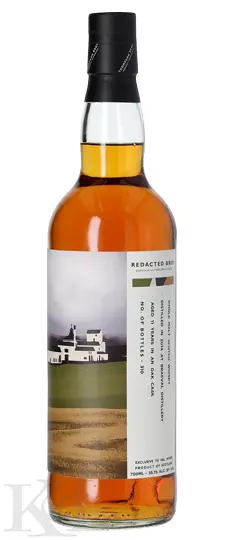
This gorgeous barrel of Braeval probably won’t strike a chord with the distillery’s devoted fans because, well, there really aren’t many Braeval fans. That’s not to say we haven’t sold plenty of excellent examples over the years, but the complete absence of official distillery bottlings and lingering confusion around the name, originally Braes of Glenlivet, have kept this excellent little malt off almost everyone’s radar. It doesn’t help that much of the spirit is destined for blending and often filled into less-than-inspiring cask stock, which may explain why only the oldest Braevals have historically achieved true greatness. But take this lovely Highland malt and place it in a fresh Oloroso hogshead, and you have a recipe for something wonderful. Here we go. The beautiful color tells us we’re firmly in sherry-bomb territory, a healthy auburn (1.4). The nose is explosive, with baking spices, roasted almonds, tinned stone fruit, and complex aromas of dark-roasted coffee. The palate is dense and chewy, offering surprising depth of roasted malt and zesty orange oil alongside rich, sweet dried fruit. It’s a classical, if not entirely unexpected, style. We might have assumed that enthusiasm for dense, dark, sherried malt would have faded decades after aficionados first embraced it, but drinkers both new and old still adore this profile. It may never have gone out of fashion, but it has certainly become far more expensive. For sherry lovers, this is the deal of the year. Hands down.
Top Pick
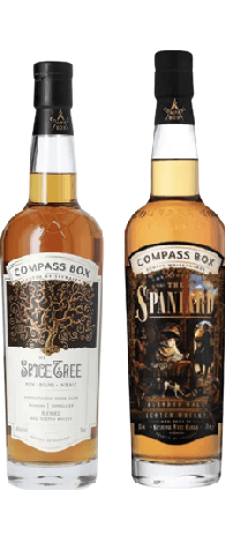
This special Compass Box tasting pack brings together two of the house’s most celebrated expressions, offering a brilliant masterclass in the art of wood management, at an unbelievable price. While both whiskies showcase the blending house's signature richness and complexity, they approach flavor from entirely different geographic traditions, creating a beautiful study in contrasts.Together, this duo offers a phenomenal look at how the same high-quality malt distillate can be steered in wildly divergent directions by the hand of a master blender. Whether you are looking to explore the fiery depth of high-toast oak or the plush sweetness of European wine casks, this combo pack covers all the bases at a price lower than each individual bottle. And with the discontinuation of The Spice Tree expression, this may be your last chance to grab this classic at an unbeatable price.
Compare to $100 Elsewhere
Top Pick
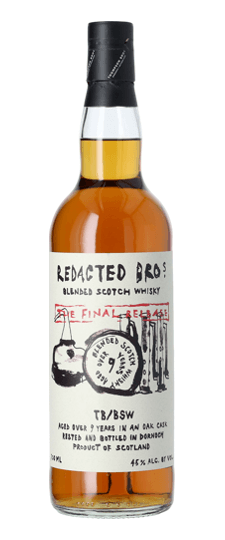
What makes this new TB/BSW release so compelling is that it isn't really a sequel at all. It is the same extraordinary parcel that made the original bottling such a phenomenon, simply given three more years to mature. The first release was built almost entirely from heavily sherried 12-year-old single malt sourced from one of Speyside's most coveted and essentially inaccessible distilleries, with only a minute quantity of younger grain whisky preventing it from being labeled for what it effectively was. The result of a blending room accident has been huge success, and the Thompson Brothers held a portion back. Those stocks spent another three years in cask, bringing the dominant malt component to 15 years old while the tiny grain portion has reached 9. Legally, that means this is a 9-year-old Blended Scotch. In practical terms, approximately 99.999% of the whisky is now 15-year-old heavily sherried single malt from the same remarkable Speyside source as before. That distinction matters because nothing about the underlying whisky has changed except its age. This is not a reformulation, a new blend, or an attempt to recreate the original. It is the original, evolved. For anyone who understood what made the earlier TB/BSW releases so special, this final bottling is the logical culmination of the project: the same improbable stock, older, rarer, and now all gone. The beginning of a new era in malt, one in which genuinely great old malt is available again at wonderful prices.
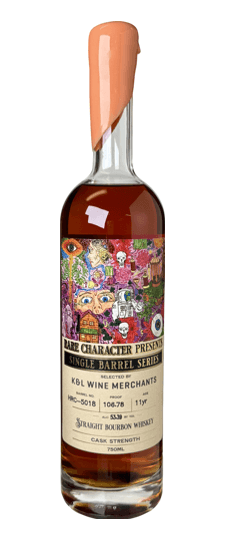
There's something so interesting about what Rare Character does with each of these special lots. The first thing is that the product is basically the same price whether it's 8 or 12 years old. The value comes from their incredible ability to source excellent small lots. The second is that every lot has some specific trait or attribute that distinguishes it from the last. We've done several Indiana bourbons with Rare Character, but not one has been similar to the next. Meanwhile, we still have brands coming to us trying to sell 9- and 10-year-old Indiana bourbon for $150+ a bottle. It's crazy! The distillery itself has seen the writing on the wall and released a 10-year-old, small-batch, high-proof product for under $100 this year. And of course Rare Character lets its customers choose the barrels, so any pick is only as good as the person selecting. Luckily, I've got the edge here. We tend to get first crack at any set of samples that hits the California market. It's rare that I find a sample in an RC set that I think is outright bad. Maybe it's never happened. But getting first crack at those samples definitely has its advantages, and this killer barrel is proof of that. On paper, what we've got here is an unusually high-quality barrel filled with nicely aged bourbon at a lower-than-standard entry proof. That lower entry proof is a super unique factor here. Combined with the heavy-char Canton barrel, it creates an extremely unusual set of characteristics that is simply not the norm in bourbon production, a category that can sometimes feel remarkably uniform. Let's have a go at it! The color is a shimmering chestnut (1.2). The nose bursts forth with beautiful aromas of honey, jasmine tea, honeysuckle, and dried apricots, punctuated by dense savory herbal aromatics of evergreen, mint, charred oak, baking spice, and dill. The palate is bold and spicy, with the barrel and rye spices duking it out up front: peppery, clove-y, and pointed. That tense front palate is juxtaposed perfectly against an almost tropical finish, moving quickly from hearty woody spice into overripe pineapple, sweet wildflower honey, candied peaches, and sweet vanilla bean. I can't tell if it's the barrel, the low entry proof, or just the dope lot, but this is one of the most enjoyable MGPs we've bottled in many years. It falls way outside the norm in the best possible way.
Top Pick
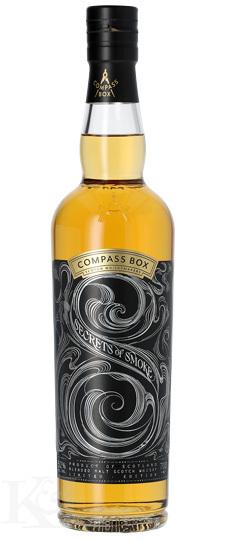
Founded by John Glaser in 2000, Compass Box helped make blending one of the most exciting parts of Scotch whisky again. The company built its reputation on creative cask selection, unusual recipes, and a willingness to disclose exactly what goes into the bottle. Secrets of Smoke is a perfect example. Lead whiskymaker James Saxon set out to explore the natural sweetness beneath peated malt, using wine and sherry casks to reveal another side of the smoke. The blend brings together Caol Ila in first-fill Palo Cortado sherry-seasoned butts (33.1%), The Peat Monster in second-fill Spanish red wine casks (33.9%), and Ardmore in first-fill sherry hogsheads (22%). Smaller parcels of Laphroaig finished in Marsala barriques (5.7%) and Bowmore from refill bourbon barrels (2.5%) complete the recipe alongside a small blended malt component. Bottled in September 2024 at 52% ABV, with natural color and no chill filtration, only 9,792 bottles were produced worldwide. The original suggested retail price was $140. At just $60, ours is over 50% off the original price and the best price anywehre around. An extraordinary price for one of Compass Box’s most intriguing limited releases.
Limit of 1 Per Customer
Top Pick
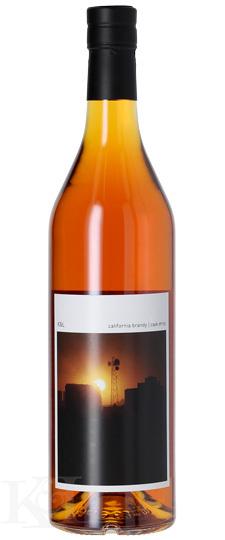
I've done some crazy things here at K&L over the years. $180 barrel aged Japanese Gin? 20 barrels of delicious single malt, declassified from that coveted category to meager Blended Malt to avoid tariffs? A whole barrel of Fernet?! Hell yes. Of all the crazy things I've done though, this one might just be the craziest. I was honestly astonished when my Oliver McCrum rep waltzed into the store one morning with six barrel samples from the lovely little Biodynamic farm in Fresno known for producing unusual spirits and collaborating with Thad Vogler and Bar Agricole on one of the best California brandies on the market. Even more intriguing were the random numbers and weird scribbles across the samples: 204 150 prof, 203 150 pr, 200 159pf, 199 160 proos, 178 164 p, 179 174 pF. 174 proof? Holy hell, there’s no way this is real. As is customary, I started with what appeared to be the lowest proof, a mere 75% alcohol by volume. Solid, oaky fruit, but hot. On we went until reaching the silliest of them all, barrel 179 at an astonishing 174 proof, or 87% alcohol. And somehow, it was absolutely incredible. Powerful citrus, deep florals, woodsy aromatics, tremendous concentration. I couldn’t believe I was enjoying it. It seemed almost too good to be true, but amazingly they agreed to bottle the barrel without additions or subtractions. As it turned out, the original proof reading was a bit off, and the final bottling strength came in at a mere 160 proof. It is remarkably drinkable even there, but slowly adding small amounts of good mineral water opens the spirit into something truly otherworldly. Give it a little time in the glass and it becomes so intensely orange confectionary that you might be forgiven for thinking our friend Thad had created some bizarre new Curaçao. This feels somewhere between an aged aromatic varietal of pisco and one of the funky single barrels we used to taste in the cellars at Copper & Kings back in the day. It is utterly delicious and completely unique, but do add the water slowly and give the aeration time to work its magic. So yes, this may be one of the craziest things I’ve ever bottled, but it is also, without question, the best single-barrel California brandy we’ve ever released. Bar none.
Top Pick
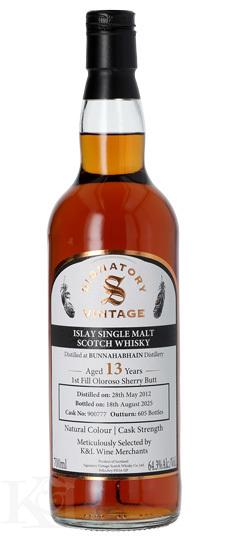
There are few things more pleasurable than the robust, oily, salty malt of Bunnahabhain paired with sultry oloroso-soaked European oak sherry casks for nearly a decade and a half. It's a style we rarely see in modern Scotch, harkening back to an older era that once seemed to define the far-flung distillery on the northeast coast of Islay. The simple fact that these casks once sold for much more does not negate their incredible quality. You'll still find previous releases of similar age from just a few years ago selling for legitimately twice our price. But that's ultimately beside the point, because these newer stocks are now coming of age and we are exploring their quality for the first time. I'm happy to report that the quality, at least of this particular butt, is simply stupendous. On we go. The color is a beautiful, robust burnt umber (1.7). The nose is universally appealing with huge notes of roasted sugar, sweet dried plums, poached pears, and sweetened whipped espresso, recalling the wafting aromas of Sant'Eustachio il Caffè in Rome's Centro Storico. Beneath all that dense sherry lies a sweet saltiness that reminds us the ocean is lapping at the foot of these warehouses. The palate is bold and rich with more herbs and sweet bark than the nose, but plenty of dense, ultra-mature rancio fruit as well. This whisky absolutely loves to swim, broadening and opening beautifully with water, adding both weight and complexity. I wish the distillery would offer more whisky like this; we'd have lots more interest in the brand. But alas, we're relegated to the occasional cask here or there showing this absurdly delicious character. I'll be praying each year that Signatory keeps the prices low on these very special stocks.
Top Pick
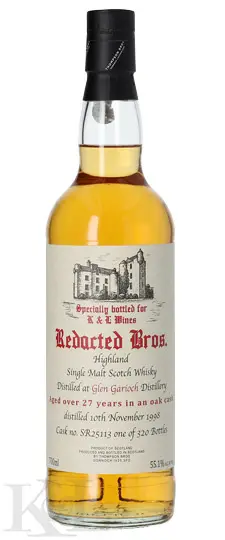
This special old barrel was bottled by our friends at Dornoch Distillery under the festive Dornoch Castle Hotel Anniversary label. This series of exceptionally curated casks was selected to commemorate 25 years of independent family ownership of the special property in the gorgeous little eponymously named town. The hotel is the site of both the original Dornoch Distillery and the fabulous whisky bar that Phil and Simon worked so hard to curate in the early years. It remains one of the world’s great whisky bars, tucked into a little corner of the hotel’s modest restaurant. It is simply unconscionable that the fabulous Glen Garioch distillery remains underappreciated by the wider whisky loving world. Founded in 1797 in the town of Oldmeldrum in Aberdeenshire, Glen Garioch is one of Scotland’s oldest operating distilleries. Long known for its robust Highland character, the distillery always maintained a muscular, cereal driven style that stands apart from many of its softer contemporaries. Today it remains a traditional plant with direct fired heritage and a reputation among insiders for producing spirit of remarkable texture and depth. That relative lack of mainstream recognition has translated into extraordinary opportunities at the higher end of the spectrum. It is remarkable that Thompson Bros has been able to secure such a high quality old Highlander at such a reasonable price. The obvious sleeper this year, but those who take the plunge will be greatly rewarded.
Pre-Arrival
Top Pick
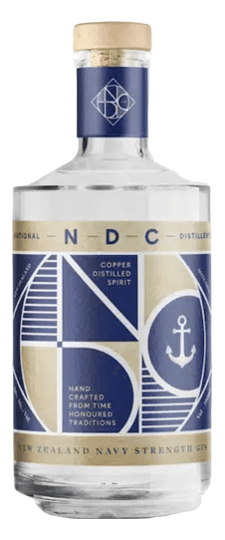
Of the three NDC products currently available at ridiculously reduced prices, this might be the best of the bunch. It is undoubtedly the best deal. Like most navy-strength gins, it normally commands a premium over its siblings, and this is not simply a higher-proof version of the standard Dry Gin. I cannot tell you exactly what is different about the production, because the distillery has been rather cagey about the recipe. Needless to say, this is an obvious slam dunk for any bar professional. While I cannot explain exactly why the brand failed to gain traction in the States, I can tell you that at one-third of its original MSRP, this stuff is tasting pretty righteous. Shall we? The nose is a heady mixture of dense citrus oil, bright flashy juniper and earthy orris root. There is some of the sweet almost fruity character, perhaps from karamu peeking through, or perhaps simply the result of the distillery’s tendency to use botanicals generously. Beautiful juniper emerges on the palate, offering dense fresh pine and cracked black pepper. Huge notes of angelica and coriander finish the package nicely. A fabulous gin that loves dilution and simply should not be this cheap, but hey, I am not complaining. This is one of those things that should be stashed for the long haul if at twice the price.
Compare to $60 Elsewhere
Top Pick
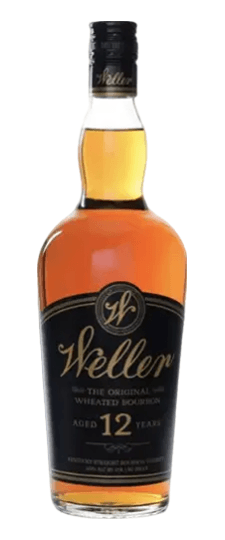
The famous nicely aged wheater from Buffalo Trace distillery package for the EU market and re-imported to the US. EU stock is shipped with a smart looking sleek black box. No quantity limits.
Top Pick
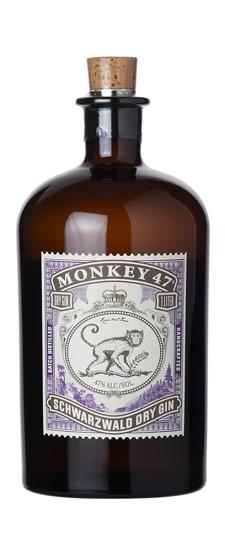
The first time I saw it we were in Scotland. I full on freaked out at a small spirits shop in Edinburgh when I noticed this quirky bottle of gin sitting on the shelf. For years, the Monkey 47 had been unobtanium, a regrettable situation for the knowledgeable and gin soaked. None of us had experienced this legendary gin yet, but thanks to the UK's lax wine shop regulations -the old "taste whatever you like" rule was in full effect. We were soon dunking our noses in a few splashes of its magnificence. I think tasting this after several other gins really put into perspective how special it really is. Created through the confluence of British aesthetics, Indian flavors, and the distinctly Teutonic natural treasure that is the Schwarzwald, The Monkey packs an enormous amount of complexity into that little bottle. It's the sort of gin that will save that cocktail you're about to ruin. You could have just as well served it straight because it sips beautifully even at room temperature. It’s quite a departure from your standard recipe gin, although some familiar elements are layered throughout. There is a strong yet soothing evergreen presence. A keynote if you will, but by no means the only focus. On the nose a dried floral aroma is accented by a twinge of spicy ginger. At the front, what seems like a citrus or chamomile quickly morphs into tea tree and sweet herbs, lemon verbena -now cucumber peel and pepper, it just keeps on going. No point in continuing to describe its flavor, its not working. It has a glorious tendency to be completely different with each sip, a true roller-coaster of flavors. Every single one of its 47 botanicals is tuned to the same perfect frequency. It's wild and utterly fabulous, but not in an awkward way. Instead, it seems to be all very deliberate, even stoic. I gladly forked over the £s the shop was asking, as did my colleagues. We nearly cried when we heard it would finally be arriving stateside.
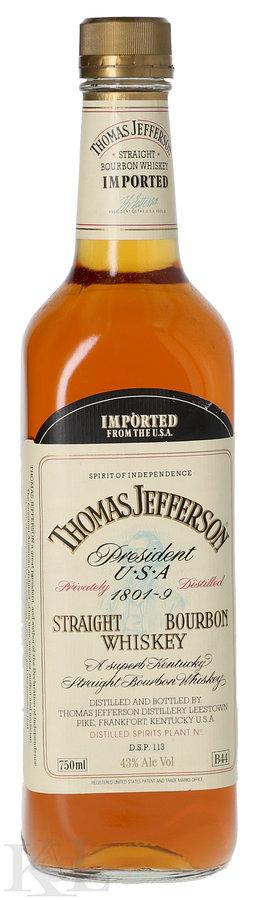
Bid on this bottle of Thomas Jefferson "Imported from the U.S.A." Kentucky Straight Bourbon Whiskey.
Current Bid
Ends 09/30/26 6:30PM PT
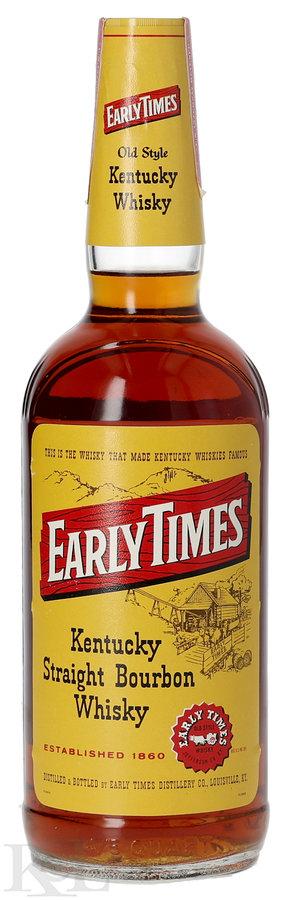
Bid on this 757 ml (4/5 Quart) 1-bottle lot of 1968 Early Times 4 Year Old Kentucky Straight Bourbon Whiskey (4/5 Quart).
Current Bid
Ends 09/30/26 6:30PM PT
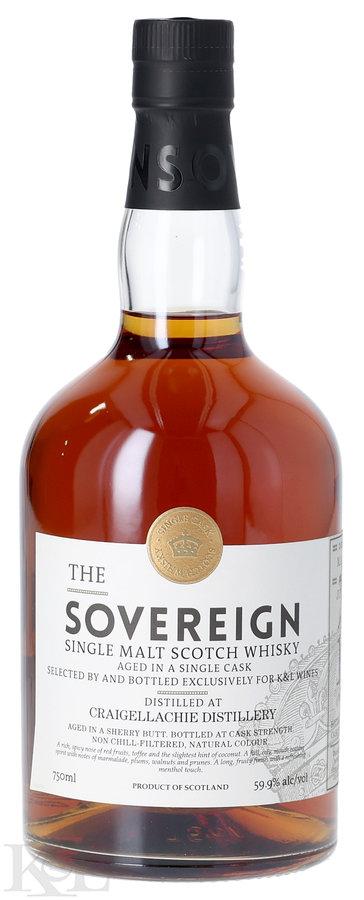
Bid on this bottle of 2006 Craigellachie 12 Year Old "Sovereign" K&L Exclusive Single Sherry Butt Cask Strength Single Malt Scotch Whisky. Sitting on the hill directly across from Macallan, just a short trip over the River Spey, Craigellachie was never sold as a single malt because Dewar’s was too lucrative to spend time selling single malt. There's no visitor’s center or other fanfare but those who know this special distillery grow to love it. In 2014, the distillery finally released an OB. Long before those well-received bottles appeared on the scene, the malt was well-regarded by Independent Bottlers, especially when aged in sherry casks. The rich malty character and deep waxy fruit are perfectly balanced by the roasted nutty flavors of this sherry butt. No question, this will be up there as one of the best values we'll have to offer in malts all year, maybe ever. An absolute must-try by any measure. Those who know best are bunkering this bad boy.
Current Bid
Ends 09/30/26 6:00PM PT
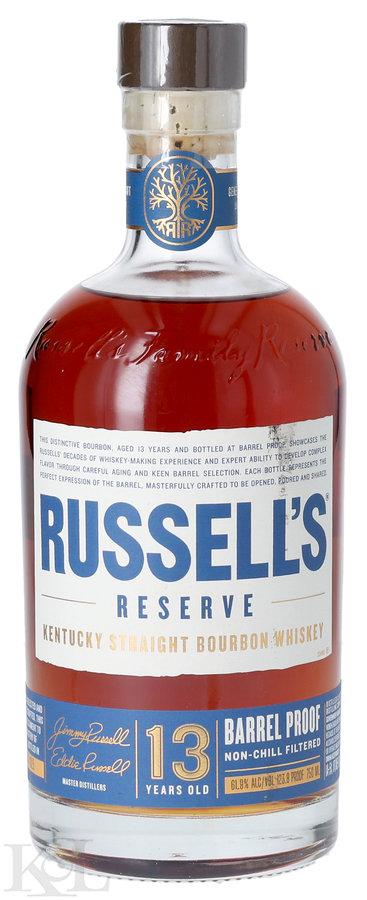
Bid on this bottle of 2025 Russell's Reserve 13 Year Old "Batch 6" Barrel Proof Kentucky Straight Bourbon Whiskey.
Current Bid
Ends 09/30/26 6:00PM PT
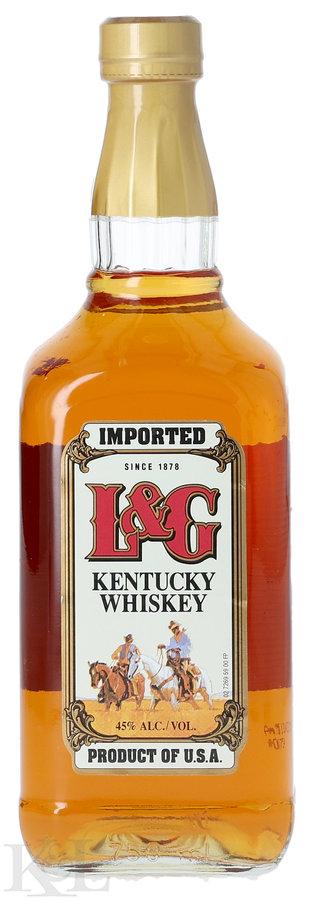
Bid on this bottle of Labrot & Graham Kentucky Whiskey. Before Woodford Reserve existed, there was Labrot & Graham, a name American whiskey lovers will remember from older Woodford bottlings. Established in 1812, the Old Pepper Distillery was established in Woodford County. In the 1820s, Scottish distiller and chemist Dr. James Crow revolutionized American whiskey by introducing the sour mash process, which he experimented with on the site. Leopold Labrot and James Graham purchased and rebranded the distillery in 1878, producing "Old Oscar Pepper" from the late 1800s into the early 20th century. When the distillery was acquired by Brown-Forman in the 1940s, the "L&G" brand was used incredibly sparingly. Indeed, this bottling was likely produced during bourbon's decline, and is an exceedingly rare example of this unique time.
Current Bid
Ends 09/30/26 5:50PM PT
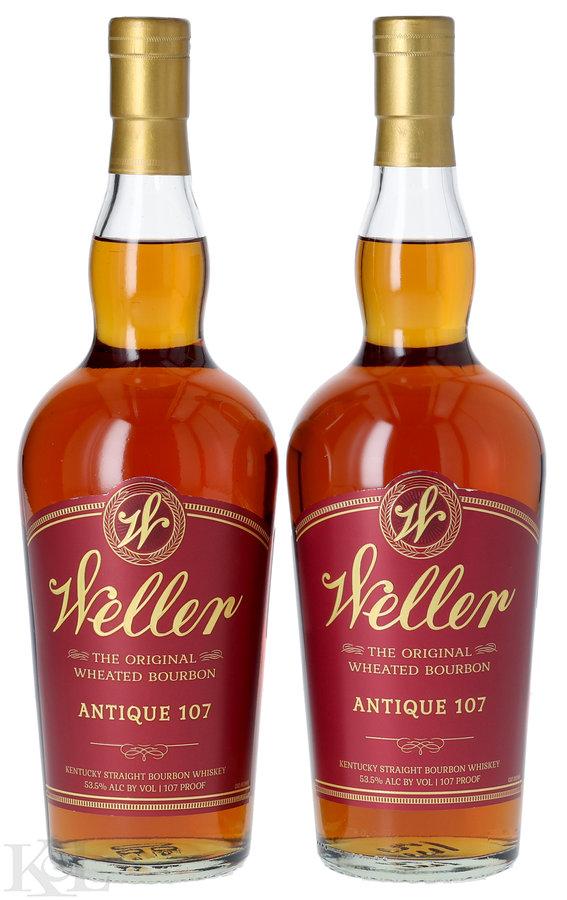
Bid on this 2-bottle lot of Weller Antique 107 Kentucky Straight Bourbon Whiskey. Weller Antique 107 is a wheated Kentucky Straight Bourbon produced by Buffalo Trace Distillery. Named after bourbon pioneer William Larue Weller, it uses wheat instead of rye for a smoother profile. Originally part of the Stitzel-Weller legacy, it’s now highly sought after. Bottled at 107 proof, it’s believed to be aged 7–10 years in new, charred oak barrels.
Starting Bid
Ends 09/30/26 5:40PM PT
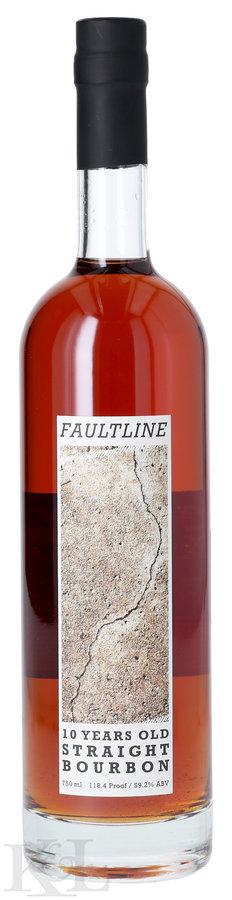
Bid on this bottle of Faultline 10 Year Old Cask Strength Single Barrel "Cask 1" 118.4 Proof Straight Bourbon Whiskey. Ten great casks. Pick two. Not as easy as you’d think. But we found a way to narrow it down to a couple of standouts, and here they are. Classic MGP juice from the 75% corn, 21% rye, and 4% malted barley mashbill, this is that "mid-high" rye recipe that helps to pop out a great amount of spice while still keeping the sweet bourbon foundation. These 10 year old barrels bring a great balance of caramels, fruits, wood, and spice, making them stellar expressions worthy of the great legacy of K&L’s own Faultline label, and perfect expressions to celebrate the company’s 50th year.
Starting Bid
Ends 09/30/26 5:40PM PT
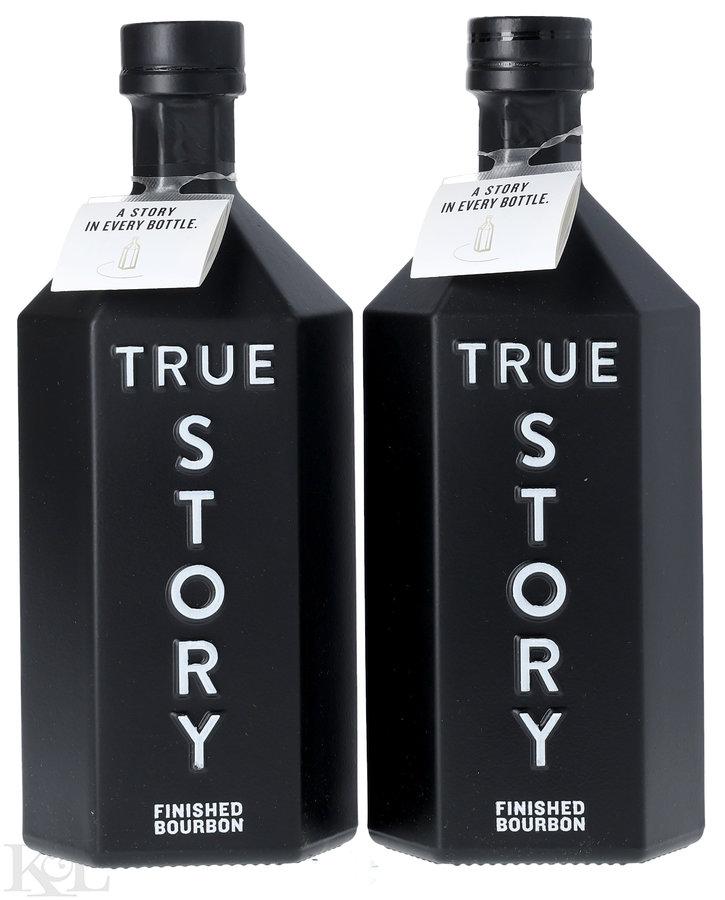
Bid on this 2-bottle lot of True Story "Vol. 1" Finished Bourbon Whiskey - Floral notes, white exotic fruits, and citrus. Raspberry sorbet, blueberry, cracked pepper, dark chocolate, and cherry pie. Mid-length with hints of new oak, baking spice, and cocoa.
Starting Bid
Ends 09/30/26 5:40PM PT
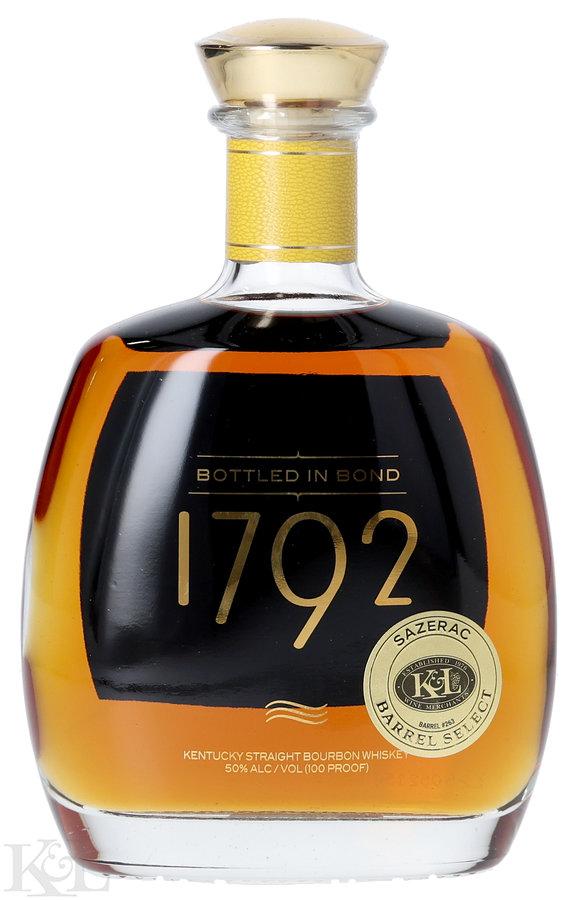
Bid on this bottle of Barton Distillery 1792 "Bottled in Bond" K&L Exclusive Barrel #263 Kentucky Bourbon Whiskey. This lot of two Barton barrels was distilled on October 14th of 2016 and bottled in late February 2025. At nearly 9 years old these Barton barrels show really well and offer a huge value compared to many other 9 year barrel picks. We liked this batch so much we decided to bottle two at competing proofs. Both barrel 267 and 263 were barreled on the same day, but each bottled at different proofs. This barrel was bottled in bond at 100 proof, while the other was cut to traditional 125 proof. The result is one of fabulous experiment in the effects of proofing on flavor. Each has its benefits, but if you're after a nuanced and tantalizing experience, the BIB is the move.
Starting Bid
Ends 09/30/26 5:40PM PT
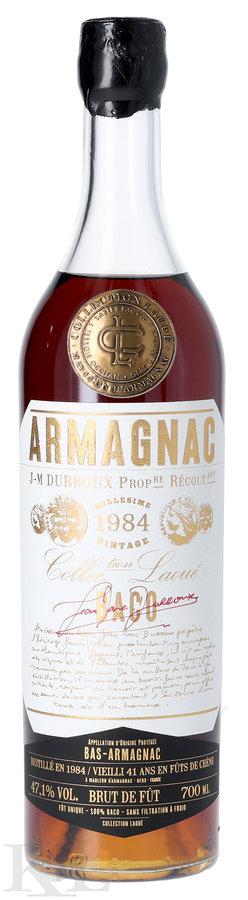
Bid on this 1 bottle lot of 1984 Domaine Durroux 41 Year Old K&L Exclusive Single Barrel No.28 Mauléon-d’Armagnac Bas-Armagnac (700ml). Jean-Marc Durroux, born and raised on the property, has devoted his life to the élevage of Armagnac, maintaining the patient craft passed down through his family. A traditionalist through and through, he has never sought to modernize or reinvent the process, preferring instead to preserve the techniques taught by his parents and grandparents and refined alongside local itinerant distillers. Every cask is tended by hand in the estate’s cool, ancient chai. This 1984 barrel, selected exclusively for K&L was distilled from 100% Baco, shows a perfect harmony of fruit, spice, and oak, bottled at natural cask strength without chill-filtration or reduction. It is a remarkable glimpse into the timeless soul of traditional Armagnac.
Current Bid
Ends 09/30/26 5:40PM PT
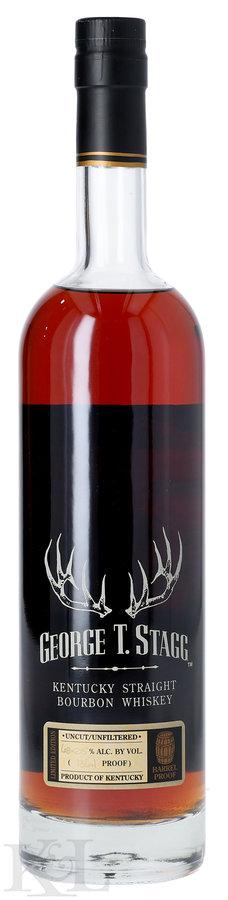
Bid on this bottle of 2024 George T. Stagg (BTAC) 136.1 Proof Kentucky Straight Bourbon Whiskey (96WA). Whisky Advocate: "Hot on the nose and hot on the palate, Stagg takes water well, revealing a sweet and fruity nose with berries, vanilla milkshake, and chocolate-covered cherries. The palate maintains the fruit with a toasty and earthy undercurrent of pepper, ash, and humidor. The finish is powerful and long. (SE)" (10/2024)
Current Bid
Ends 09/30/26 5:40PM PT
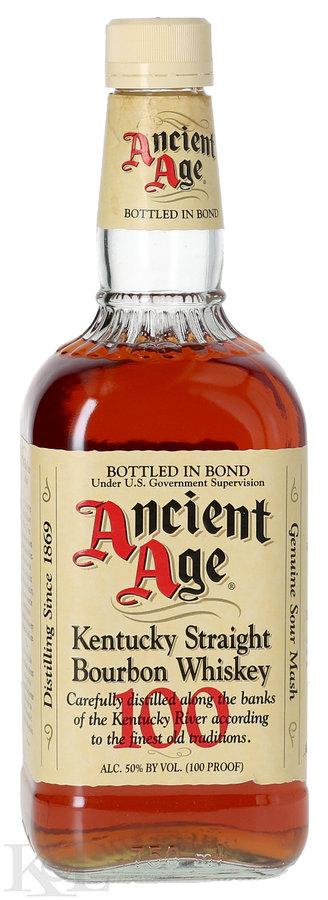
Bid on this bottle of Ancient Age Bottled in Bond Kentucky Straight Bourbon Whiskey.
Current Bid
Ends 09/30/26 5:40PM PT
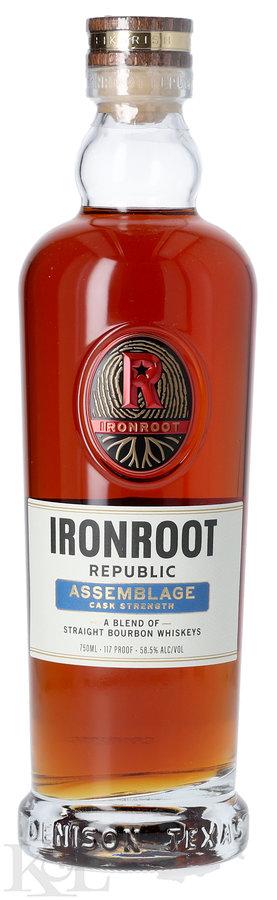
Bid on this bottle of Ironroot Republic “Assemblage” Cask Strength Blended Kentucky Bourbon Whiskey.
Current Bid
Ends 09/30/26 5:40PM PT
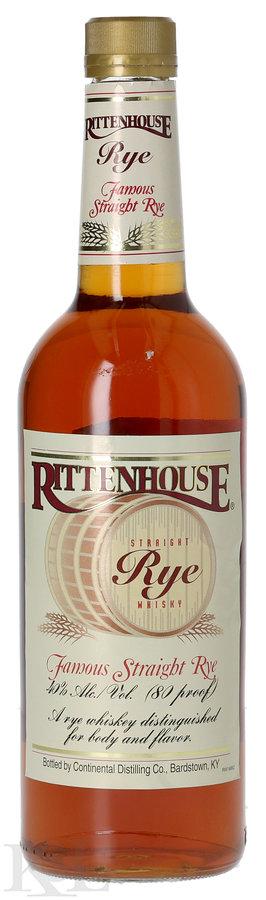
Bid on this bottle of Rittenhouse 80 Proof Straight Rye Whisky.
Current Bid
Ends 09/30/26 5:40PM PT
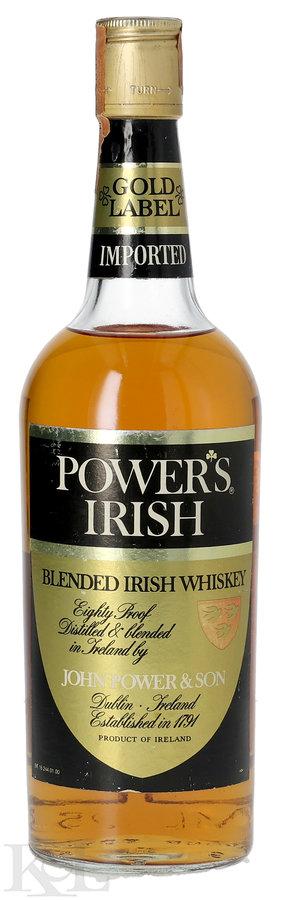
Bid on this bottle of Powers & Sons Gold Label Irish Whiskey (90WA). Whisky Advocate: "Ground cinnamon, coriander seed, nutmeg, mustard seed, spiced meat, and the saltiness of sand-encrusted seashells combine with a powerful honey note, fresh pear, golden sultana, and Cox’s apple. Quaker Oats, golden syrup, and chocolate-covered graham crackers with cherries set the scene, though spices quickly engulf them. Perfect harmony is reestablished as it fattens out with cinnamon toffee. Bold, robust, and triumphant: just add a Dublin pub weekend crowd and you’re all set. (JM, Fall 2019)"
Current Bid
Ends 09/30/26 5:40PM PT
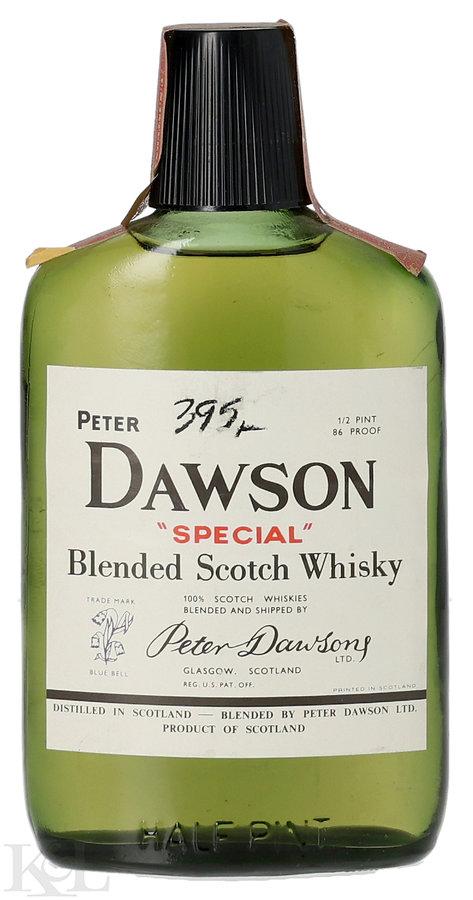
Bid on this 237 ml (Half Pint) 1-bottle lot of Peter Dawson Special Blended Scotch Whisky (1/2 Pint).
Current Bid
Ends 09/30/26 5:40PM PT
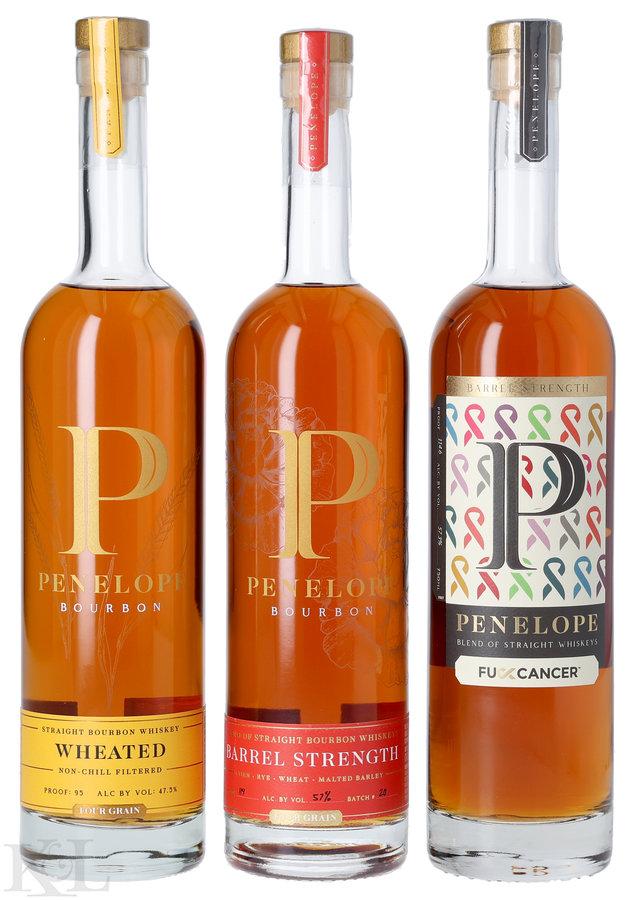
Bid on this 3-bottle lot of NV Penelope 3 Bottle Tastng Lot, including 1-bottle of Penelope "F#$% Cancer" Barrel Strength Straight Blended Whiskey, 1-bottle of Penelope Four Grain Barrel Strength Straight Bourbon Whiskey, and 1-bottle of Penelope Four Grain Wheated Straight Bourbon Whiskey. Of the Penelope Four Grain Barrel Strength Straight Bourbon Whiskey, Penelope Four Grain Barrel Strength Straight Bourbon Whiskey is a bold expression from Penelope Bourbon, founded in 2018 by Mike Paladini and Danny Polise. Named after Paladini’s daughter, the brand sources whiskey from the Ross & Squibb Distillery (formerly MGP) in Indiana. This barrel strength release blends three mash bills—featuring corn, wheat, rye, and malted barley—and is aged at least four years in new American oak. Bottled uncut and non-chill filtered, it typically ranges from 56-58% ABV proof.
Current Bid
Ends 09/30/26 5:40PM PT
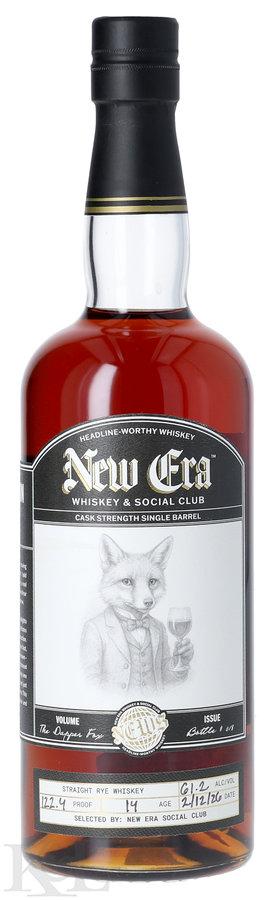
Bid on this bottle of New Era 14 Year Old "The Dapper Fox" Single Barrel Cask Strength Straight Rye Whiskey.
Starting Bid
Ends 09/30/26 5:40PM PT
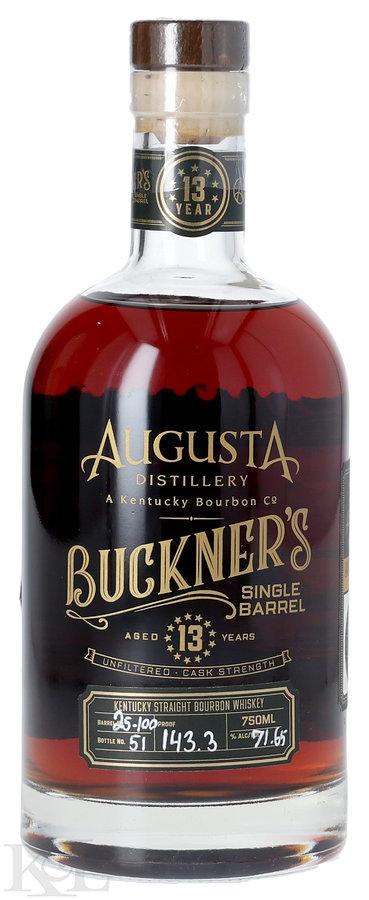
Bid on this bottle of Augusta "Buckner's" 13 Year Old Single Barrel Cask Strength Kentucky Straight Bourbon Whiskey - Private Barrel (Hazmat).
Starting Bid
Ends 09/30/26 5:40PM PT
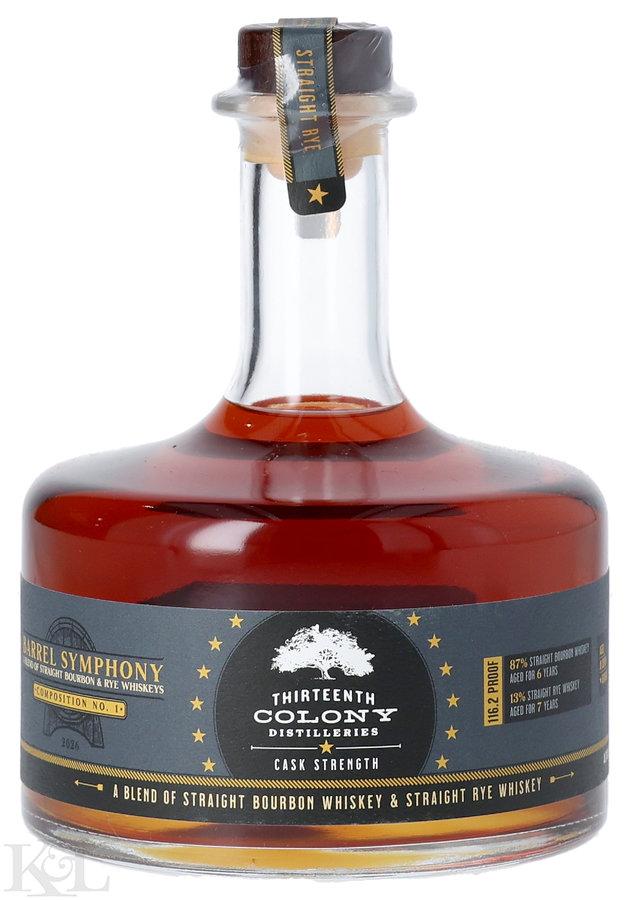
Bid on this bottle of Thirteenth Colony Cask Strength Blended Straight Bourbon & Rye Whiskey.
Starting Bid
Ends 09/30/26 5:40PM PT
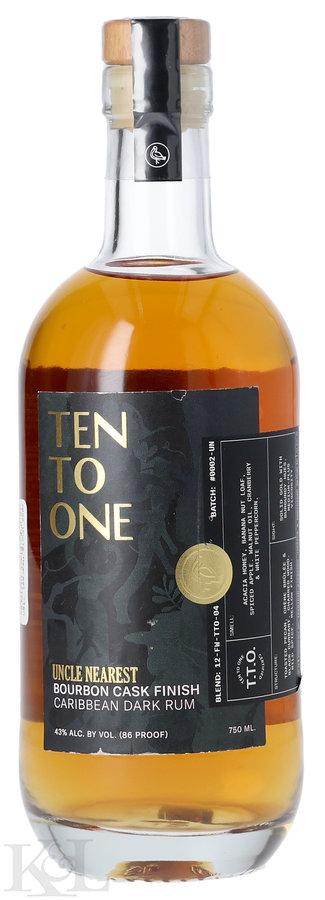
Bid on this bottle of 2022 Uncle Nearest "Ten to One: Black History Month Edition" Caribbean Dark Rum.
Starting Bid
Ends 09/30/26 5:30PM PT
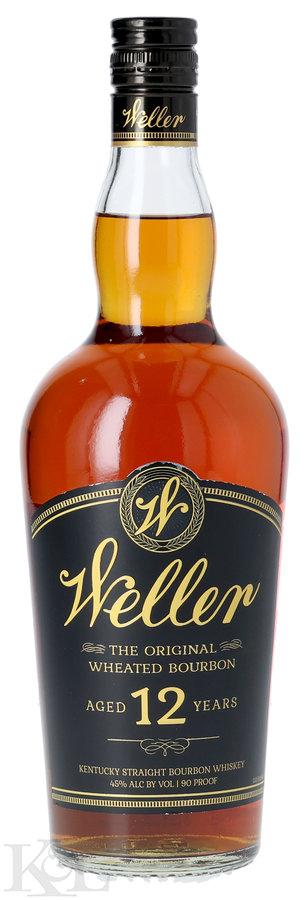
Bid on this bottle of Weller 12 Year Old Kentucky Straight Bourbon Whiskey. Introduced by Buffalo Trace Distillery, Weller 12 Year Old is a wheated Kentucky Straight Bourbon named after William Larue Weller, a pioneer of wheat-based mashbills. Aged for twelve years in new charred American oak barrels, it offers a smoother, softer profile than rye-based bourbons. Bottled at 90 proof, it shares DNA with the coveted Pappy Van Winkle line, contributing to its cult status.
Current Bid
Ends 09/30/26 5:30PM PT
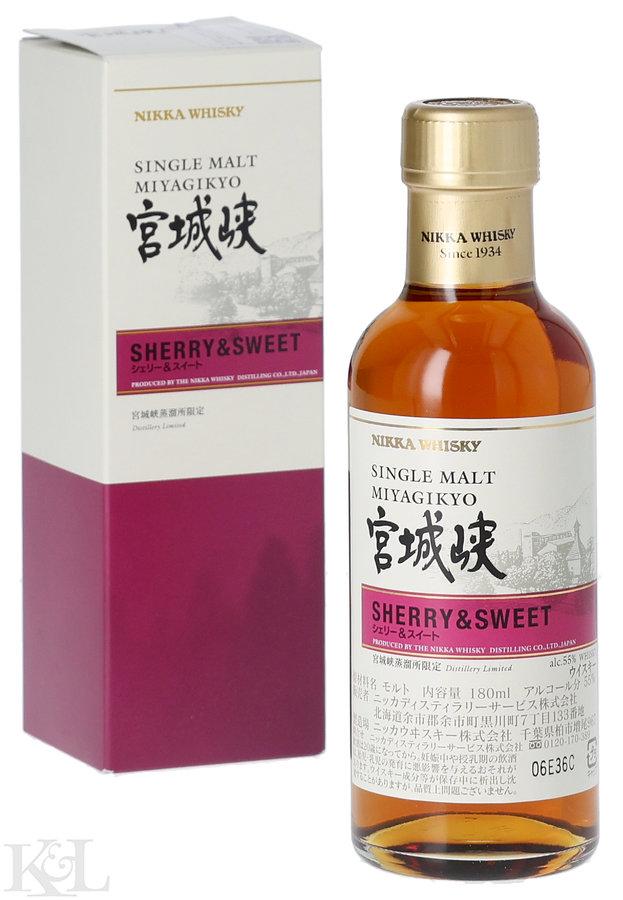
Bid on this 1-half-bottle lot of Nikka Miyagikyo Sherry & Sweet Japanese Single Malt Whisky (180ml).
Starting Bid
Ends 09/30/26 5:30PM PT
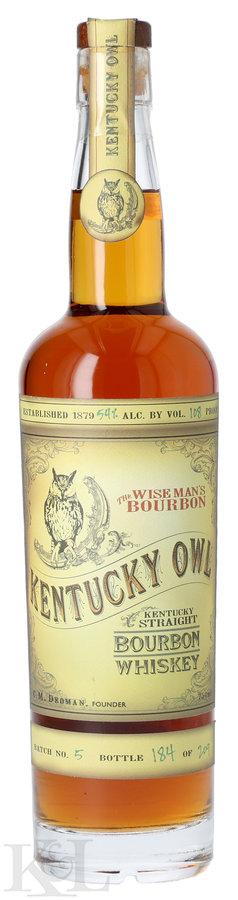
Bid on this bottle of Kentucky Owl Batch #5 Kentucky Straight Bourbon Whiskey.
Starting Bid
Ends 09/30/26 5:30PM PT
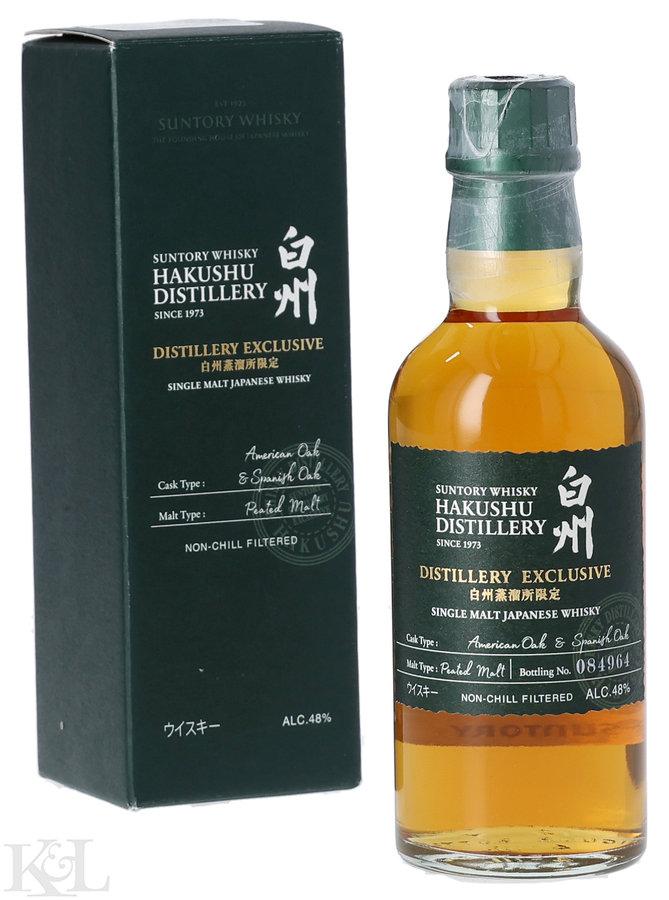
Bid on this 1-half-bottle lot of Hakushu American Oak & Spanish Oak Peated Malt - Distillery Exclusive Japanese Single Malt Whisky (180ml). At Suntory's Hakushu distillery in the forests of Yamanashi, peat has long been used with a notably precise, Japanese single malt profile. This distillery-exclusive bottling is labeled for peated malt aged in American oak and Spanish oak, a small-format release aimed at visitors rather than the standard global lineup.
Starting Bid
Ends 09/30/26 5:30PM PT
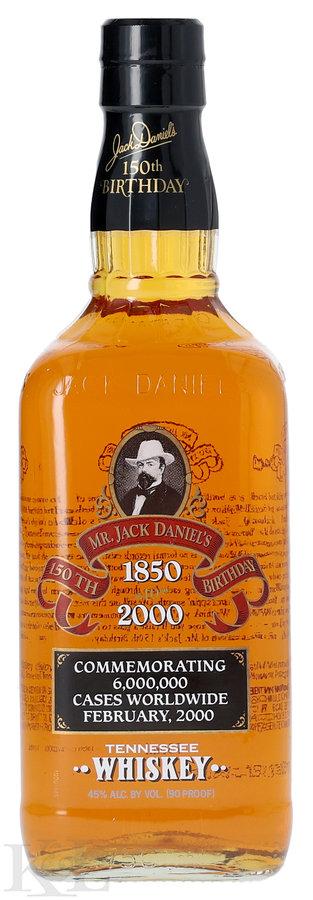
Bid on this bottle of Jack Daniel's "150th Birthday - Commemorating 6 Million Cases" Tennessee Whiskey.
Current Bid
Ends 09/30/26 5:30PM PT
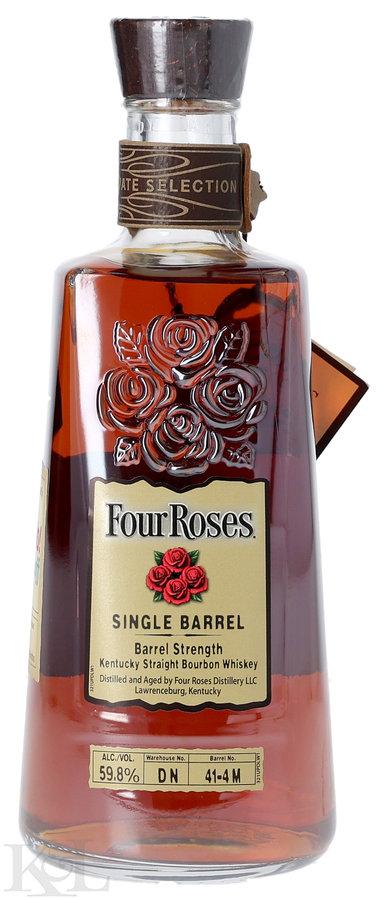
Bid on this bottle of Four Roses 9+ Year Old Single Barrel "OBSV" Kentucky Straight Bourbon Whiskey - Private Barrel Selection.
Current Bid
Ends 09/30/26 5:30PM PT
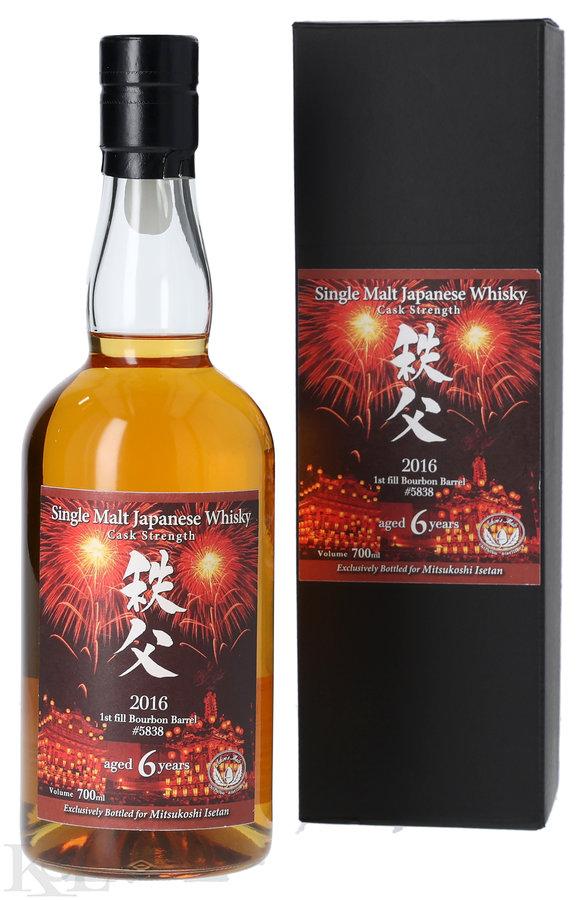
Bid on this 1-700 ml bottle lot of 2016 Ichiro's Malt Chichibu 6 Year Old Mitsukoshi Isetan 2022 1st Fill Bourbon Barrel Cask #5838 Single Malt Japanese Whisky (700ml).
Current Bid
Ends 09/30/26 5:30PM PT
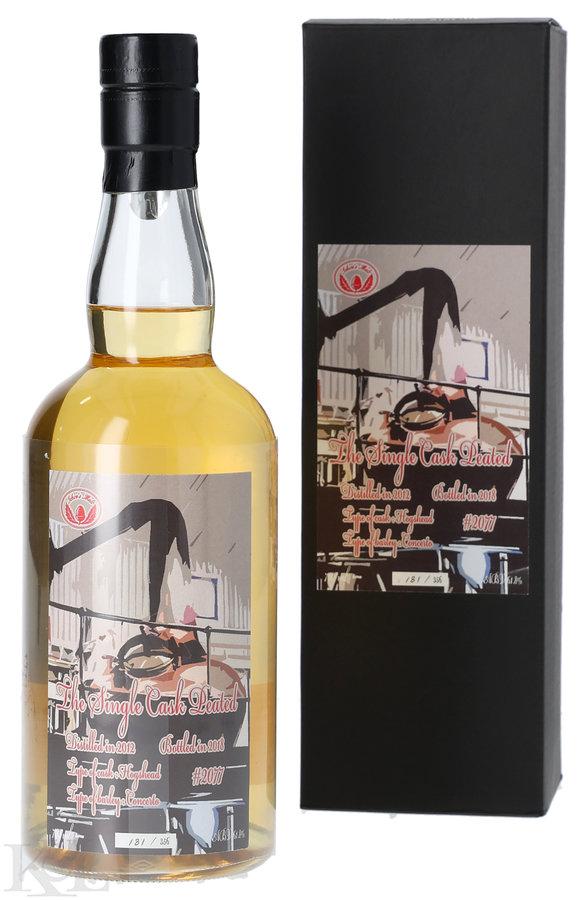
Bid on this 1-700 ml bottle lot of 2012 Ichiro's Malt Chichibu Modern Malt Whisky Market 2018 - The Single Cask Peated Hogshead Cask #2077 Single Malt Japanese Whisky (700ml).
Current Bid
Ends 09/30/26 5:30PM PT
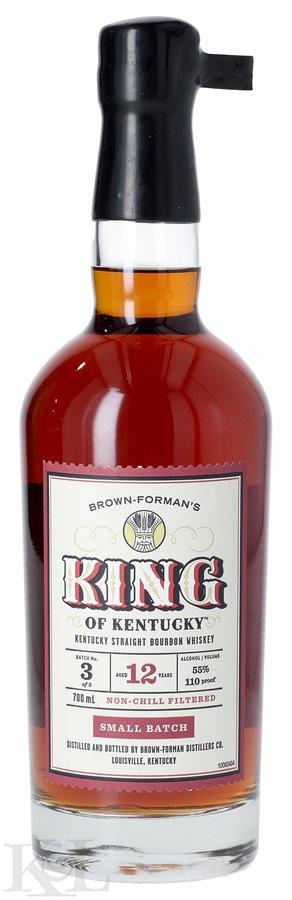
Bid on this 1-700 ml bottle lot of King of Kentucky 12 Year Old 2026 Release Batch #3 Kentucky Straight Bourbon Whiskey (700ml).
Starting Bid
Ends 09/30/26 5:20PM PT
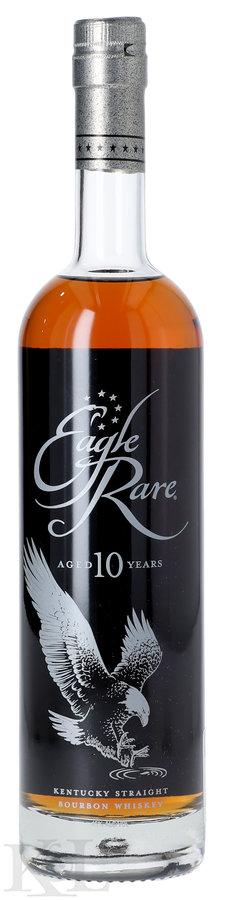
Bid on this bottle of Eagle Rare 10 Year Old Kentucky Straight Bourbon Whiskey. Buffalo Trace, which produces Eagle Rare, was named Distiller of the Year by Whisky Magazine in 2005 and 2007 and by Wine Enthusiast in 2006. F. Paul Pacult of the Spirit Journal gave the brand four stars and said: "Easily one of the most tactile yet assertive and expressive bourbons I've tasted in the last two years; fasten your seatbelts." Honey-colored, with aromas of toasted wheat bread and hints of tobacco, opening up to almond butter, melon, and lanolin. On the palate it is oily and toasty with flavors of cereal grains and oak. The finish is long and corn sweet with a little spice.
Current Bid
Ends 09/30/26 5:20PM PT
Join our list
Exclusive offers, new arrivals, and expert picks