

Chile
92 Results
Top Pick
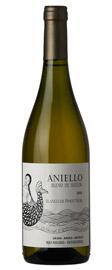
Bodega Aniello is located in the Upper Río Negro Valley near the town of Mainqué, in the heart of Patagonia. The estate traces its origins back to 1927, when the original winery was built, drawing on Italian winemaking traditions brought from Sorrento by the De Angelis family. Today, it represents a blend of historic heritage and modern innovation, especially after its acquisition and full renovation in the early 2010s. The winery cultivates around 55 hectares of vineyards, including old vines dating back to the mid-20th century, and its location in Patagonia leads to highly distinctive wines. The region’s cool desert climate, strong winds, and large day–night temperature swings help preserve acidity and produce wines with freshness and aromatic intensity. Positioned along the Río Negro River at roughly the 39th parallel south, Aniello benefits from long sunlight hours and low humidity, allowing for relatively low-intervention viticulture. The 2024 Aniello Blanco de Pinot Noir is made from 100% Pinot Noir grapes but vinified as a white wine. Just barely pale pink, not dissimilar to a vin gris, the wine is made by gently pressing the grapes with minimal skin contact to avoid extracting color and tannins. It is then aged in mostly concrete, along with a small percentage of neutral oak barrels. This results in a wine that combines the structure of Pinot Noir with the brightness of a white wine, making it particularly versatile food wine.
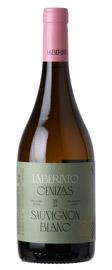
Laberinto Wines was founded in 1993 by winemaker Rafael Tirado in the remote Colbún area of the Maule Valley, at the foothills of the Andes. From the beginning, the project stood apart from traditional Chilean wine regions, as Tirado deliberately chose an unconventional, high-altitude site with volcanic soils and a cool climate. The winery’s early development was driven by experimentation and a desire to produce distinctive, site-specific wines, with vineyards planted in diverse orientations—including a labyrinth-like design that inspired its name. Laberinto’s philosophy centers on exploration, creativity, and a deep respect for nature, aiming to craft wines that reflect the complexity and uniqueness of their environment. The concept of the “labyrinth” itself symbolizes harmony, transformation, and the intricate relationship between land, climate, and human intervention. A strong commitment to sustainability underpins their practices, including organic farming, biodiversity preservation, and regenerative agriculture techniques. Laberinto Wines seeks to create balanced, mineral-driven wines that express both the volcanic terroir and the spirit of continuous discovery that defines the estate.
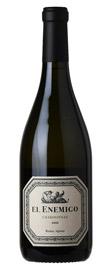
El Enemigo was born in 2009 in Mendoza as a passion project and has since developed an almost cult-like following that is steady and growing. The minds behind the winery are Adrianna Catena, daughter of the legendary Nicolás Catena, and Alejandro Vigil, chief winemaker at Bodega Catena Zapata and former head of the soil division at Argentina’s Wine Institute. The idea for El Enemigo took shape after a celebration honoring Nicolás Catena in London. While walking along the River Thames, Adrianna and Alejandro discussed their vision: to create a wine that honors tradition while challenging convention. The name El Enemigo—Spanish for “the enemy”—reflects their desire to confront the status quo. Inspired by a shared love for Bordeaux, their goal was to produce cool-climate, high-altitude Cabernet Franc. Alejandro Vigil was already well-known in Argentina for elevating Cabernet Franc, helping establish it as one of the country’s signature grapes, and he handles all technical aspects of the viticulture and winemaking. Adrianna Catena, who earned a PhD in history from the University of Oxford and has taught as a historian, contributes a strong intellectual and historical dimension, shaping the winery’s vision. Based primarily in Mendoza’s Uco Valley, the winery focuses only on high-altitude vineyards that bring freshness, structure, and complexity to the wines.
Insider's Advantage
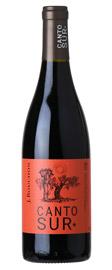
Bouchon Family Wines began in the late 19th century when young viticulturist Emile Bouchon left Bordeaux, France for Chile. Today, Julio Bouchon and his children carry on their 4th generation family winemaking tradition in the Maule Valley. With their in-depth soil research and innovative winemaking, Bouchon is preserving the historic character of the Maule Valley with distinctive, terroir-driven wines.J. Bouchon’s 2021 Canto Sur is made from 50% Carmenère, 25% País, 25% Carignan, all old vine and all dry farmed in the Maule Valley of Chile. The grapes were hand-harvested and fermented with native yeasts in concrete tanks to preserve the vibrant, youthful red and black fruit notes.
Wine Club
92 points Descorchados : "This is a blend of vineyards, including two-thirds from vines about 20 years old in the Los Lingues zone, towards the foothills of the Andes in Colchagua, and one-third from the Marchigüe zone, also in Colchagua, but further west. The combination of the herbal and fruity notes with the fierce tannins from Marchigüe's granitic soils gives rise to a wine that’s fruity and fluid, yet has enough body for charcuterie. " (01/2024) 90 points James Suckling: "Currants, black cherries and spices follow through to a medium-bodied palate with dusty tannins and a medium-length finish. " (01/2024) Wine Enthusiast: "This is a blend of Cabernet Sauvignon from Los Lingues and Marchigüe subregions of the Colchagua Valley. Aromas of meat, plums and dried herbs invade the nose. Ripe flavors and warm notes of paprika meet on the smooth palate. It's ready to be enjoyed now. (JV)" (11/2024)
Established in 1999, Cheval des Andes is a collaboration between Argentina’s Terrazas de los Andes and the legendary Château Cheval Blanc of Saint-Émilion. The estate serves as a living bridge to viticultural history, utilizing ungrafted Malbec vines planted in Mendoza’s high-altitude vineyards long before the phylloxera epidemic devastated Europe’s original rootstocks. By marrying the rigorous blending traditions of Bordeaux with the expressive, high-altitude terroir of the Andes, the estate produces a unique blend of Malbec, Cabernet Sauvignon, and occasionally Petit Verdot that captures the best of both the Old and New Worlds. Alongside its impeccable pedigree, Cheval des Andes also has exceptional aging potential. As the South American "Grand Cru" project of Cheval Blanc, it benefits from the same technical precision and philosophical approach to elegance found in Cheval Blanc. The 2022 vintage allowed for a remarkably slow ripening of Cabernet Sauvignon, which takes a more prominent role in the blend this year alongside the old-vine Malbec. The result is a wine of extraordinary tension and aromatic purity, characterized by a svelte, streamlined texture and silky tannins. With its vibrant acidity and serious concentration, the 2022 is noted for being one of the most elegant and precise releases in the estate’s history, offering a bright, energetic profile that is built to age gracefully over the years to come.
Based in Mendoza, Altos Las Hormigas was founded in the mid-1990s by Italian winemakers. The estate originally championed Malbec but has since expanded its portfolio to include distinctive white blends that reflect the region’s unique soils and climate. Altos Las Hormigas emphasizes minimal intervention and organic practices, aiming to express the natural character of each vineyard site.
96 points James Suckling: "A full-bodied and expressive malbec with 5% cabernet sauvignon. Minerals, black cherries and cool blue fruit. A touch of cocoa powder, but there is nothing plush. Concentrated but austere, with tons of juicy fruit and dusty tannins treading into a long, bright finish. Fermented in concrete and aged 24 months in foudres. Drink or hold. (ZS)" (02/2024) 94 points Wine Advocate: "Sourced from Altamira and Gualtallary, the 2021 José Zuccardi is 95% Malbec and 5% Cabernet Sauvignon that was fermented in concrete before maturing two years in foudre. It is an homage to Sebastián's father, aiming to evoke the historic wines of Argentina—as Sebastián says, "not the 1990s or 2000s, but the 1940s or 1950s." It leads with an inviting, focused nose of black fruits and balsamic accents, introducing a creamy, svelte and taut palate. It concludes with a seamless, refined and elegantly decadent finish. It is a perfect marriage of classically informed richness and contemporary precision. (ML)" (05/2025) 94 points Tim Atkin: "Named after Sebastián Zuccardi’s father, José, this is an assemblage of Malbec and 5% Cabernet Sauvignon from Gualtallary and Paraje Altamira. Aged in large wooden foudres that have a negligible impact in terms of flavour, but do soften the wine’s structure, it’s dark, brooding and intensely coloured, with savoury tannins, damson and bramble flavours, bright acidity and a mountain herb top note. " (06/2025)
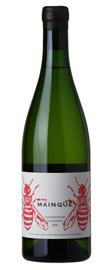
Made in collaboration with Jean-Marc Roulot, the Mainque Chardonnay is picked early to maintain acidity and barrel-fermented with malolactic conversion blocked. It is then aged for 10 months, 18% in concrete eggs, 25% in stainless steel and 57% in French oak barreks (12% new) to maintain vibrancy and freshness. The resulting style is liner and crisp, with a high level of fruit purity and a sense of restraint.
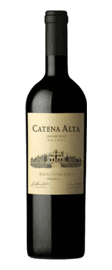
95 points Vinous: "The 2022 Malbec Catena Alta brings together historic vineyards from Luján de Cuyo and Uco Valley to capture the best of both regions: Luján’s generous, supple tannins and Uco’s juicy, fresh fruit. Aged for up to 18 months in barrel, this wine is the essence of Mendoza Malbec. Intense aromas of fresh plum and delicate balsamic notes float over oak and a floral hint in the background. With indulgent depth and a juicy flow, the 2022 balances plush tannins with refined texture to produce a long and sapid palate with a touch of intensity and subtle concentration. This is a rich wine that raises the bar for Mendoza Malbec. (JH)" (04/2025) 94 points Descorchados : "The Catena Alta Malbec is a summary of the vineyards that Catena has spread throughout Mendoza. From Angélica in Maipú, at an altitude of 1,000 meters and beside the Mendoza River, to Adrianna at an altitude of more than 1,400 meters in the rocky and calcareous soils of Gualtallary, in the north of the Uco Valley. A kind of wide-angle photograph of what malbec is like in this desert land at the foot of the Andes. And the photo is very clear—the flavors and aromas of fruit dominate, sweet and ripe tones in a generous body, but at the same time it is very well balanced by acidity that keeps everything on the fresh side. The notes of oak (the wine was aged in barrels for 18 months) accompany, but do not disturb the expression of the variety." (01/2025) 93 points James Suckling: "Racy berries, cherries and touches of white pepper and tamarind. Very juicy and fluid, with fine-grained tannins and a mouthwatering finish. Long, succulent and very poised. (ZS)" (02/2024)
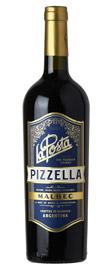
91 points James Suckling: "Subtle roasted spices, sour cherries, hibiscus and bramble berries. Youthful and quite lively palate with a fruity core of ripe, juicy berries and cherries. Flavorful finish (ZS)" (09/2024) 90 points Tim Atkin: "Bold, rich, ripe and intense, especially for a wine with 13.5% alcohol, this is a 10% new oakaged Malbec from Paraje Altamira, mixing grapes from three different soil types. Textured, firm and focused, it marries appealing fig and dark berry fruit with some underlying chalky freshness. " (06/2024)
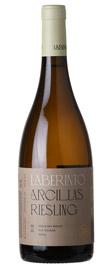
Laberinto Wines was founded in 1993 by winemaker Rafael Tirado in the remote Colbún area of the Maule Valley, at the foothills of the Andes. From the beginning, the project stood apart from traditional Chilean wine regions, as Tirado deliberately chose an unconventional, high-altitude site with volcanic soils and a cool climate. The winery’s early development was driven by experimentation and a desire to produce distinctive, site-specific wines, with vineyards planted in diverse orientations—including a labyrinth-like design that inspired its name. Laberinto’s philosophy centers on exploration, creativity, and a deep respect for nature, aiming to craft wines that reflect the complexity and uniqueness of their environment. The concept of the “labyrinth” itself symbolizes harmony, transformation, and the intricate relationship between land, climate, and human intervention. A strong commitment to sustainability underpins their practices, including organic farming, biodiversity preservation, and regenerative agriculture techniques. Laberinto Wines seeks to create balanced, mineral-driven wines that express both the volcanic terroir and the spirit of continuous discovery that defines the estate.
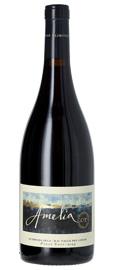
96 points Descorchados : "Winemaker Marcelo Papa has decided to base this Amelia on 80% from Block 15, a little over three hectares of limestone-rich soils with portions of clay and some stones, all in the Quebrada Seca Vineyard in the Limarí Valley, about 22 kilometers as the crow flies from the sea. There is a firm texture here, that chalky sensation that is very typical of those limestone soils. It also has that salinity typical of Limarí on calcareous soils and lots of fresh, tart red fruits in a lovely wine, delicious to drink by the liter in the summer. It is also a serious, complex wine for the cellar, and that dichotomy is its best value." (01/2025) 95 points James Suckling: "Vibrant red berries, cherries, rose hips and a touch of chalk on the nose. The excellent tannin structure holds the fruit back a bit, with a chalky texture and a lengthy finish. Fermentation was 50% whole cluster. (ZS)" (04/2025) 95 points Tim Atkin: "Marcelo Papa is on a mission to produce one of Chile's outstanding Pinot Noirs and he's surely succeeded here for the second year in a row. Vibrantly chalky and refreshing, it's framed by scented, high-quality 10% new oak, fine-grained tannins, plenty of zip, focus and concentration and a macedoine of goji berry, raspberry and red cherry" (06/2025) 95 points Vinous: "The 2023 Pinot Noir Amelia includes up to 50% whole clusters. Focused aromas of raspberry, cherry and redcurrant are joined by notes of black tea and fresh red fruit. The palate is slender yet silky, with a fine grip from the stems and a delicate texture. This has elegance and clarity, with a clean, fruit-driven finish. This vintage refines the style, emphasizing precision and finesse. (JH)" (06/2025) 94 points Wine Advocate: "The 2023 Amelia Pinot Noir derives from Limarí's Quebrada Seca and was fermented with 50% whole clusters in 15% new French barrique. A dark-fruited, woody, spice-driven nose with tobacco accents leads to a luscious palate with substantial density and admirable precision. It finishes on a lifted, vibrant note filled with a subtle influence of new wood and a gentle structuring grip from the stem inclusion. This is a lovely Pinot Noir from the Chilean coast rendered with a contemporary, elegantly lavish presentation. (ML)" (03/3035)
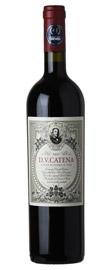
Founded in 1902 by Italian immigrant Nicola Catena, Bodega Catena Zapata is one of the most important, historic wineries in Chile pillar of Argentina's wine history and a global powerhouse, renowned for its pioneering role in resurrecting the Malbec grape and promoting extreme high-altitude terroirs in the Andean foothills of Mendoza. The third-generation vintner, Nicolás Catena Zapata, is credited with spearheading a quality revolution in the 1980s by introducing modern viticulture and winemaking techniques, driven by the goal of crafting Argentine wines that could compete with the world's best. Today, under the leadership of his daughter, Dr. Laura Catena, the winery continues its commitment to scientific research through the Catena Institute of Wine, cementing Catena Zapata's legacy as the defining force that put Argentine Malbec on the international fine wine map.
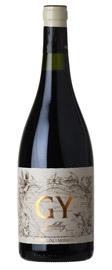
Michelini i Mufatto is a family-run winery founded in 2019 by Andrea Mufatto, Gerardo Michelini, and their son. Located in La Cautiva, a remote, high-altitude subregion of Gualtallary in the Uco Valley at 1,600 meters, their vineyard is one of the most distinctive in South America and they quickly become one of Argentina’s most exciting modern wineries. Working at extreme elevations in La Cautiva—a remote, high-altitude corner of Gualtallary—the family produces wines of remarkable tension, elegance, and precision. Their 2021 "GY" is a mountain-grown blend of 70% Malbec and 30% Cabernet Franc from three parcels at varying elevations. Fermented together with 30% whole-cluster Malbec and native yeasts, the wine is aged 18 months in barrel. It captures the rugged, high-altitude terroir of Gualtallary, balancing rugged power with finesse and elegance.
Compare to $30 Elsewhere
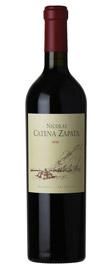
Catena Zapata was founded in 1902 by Italian immigrant Nicola Catena. The flagship bottling of the winery, Nicolás Catena Zapata, is named after Nicola’s grandson who modernized the winery and developed additional high-altitude vineyards in the 1980s and 1990s. The wine was frist produced in 1997 and is a blend of pre-phylloxera, ungrafted Cabernet Sauvignon and Malbec, generally with a smaller amount of Cabernet Franc. In the words of wine critic Jancis Robinson MW, “Nicolás Catena Zapata is justly credited with putting Argentinean wines on the world map—by the best expedient of focusing entirely on quality.”
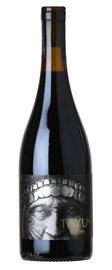
Malleco is one of the southernmost wine growing regions in Chile. The climate here is marginal – exceptionally cool and just at the edge of where grapes can fully ripen. The 2021 Tayu 1865 Pinot Noir is a standout example of both this extreme cool-climate winemaking, as well as ethical business practices: this vintage is part of a unique collaborative project between Viña San Pedro and the indigenous Mapuche community of Buchahueico, a partnership that earned "Ethical Company of the Year" honors. The grapes were fermented in concrete and stainless steel, with 15% whole clusters, and the wine was then aged in French oak foudres, concrete eggs and used French oak barrels for about a year. Very little of this wine was imported into the US, and we are very happy to offer it.
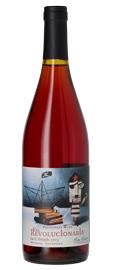
The Passionate Wines “Vía Revolucionaria” Criolla Grande from Mendoza is 100% Criolla Grande, a traditional Argentinian variety that is genetically part of the same extended family as País (Chile) and Mission (California), all ultimately tracing back to Listán Prieto from the Canary Islands. The fruit is sourced from a single vineyard within the Uco Valley, one of the cooler, high-altitude subregions of Mendoza, and the wine is produced by Passionate Wines, the personal project of winemaker and agronomist Matías Michelini, whose philosophy centers on low-intervention, experimental wines that highlight terroir; his “Vía Revolucionaria” line specifically focuses on unconventional, small-production, single-vineyard bottlings fermented with native yeasts and typically made without oak. The wine is made from hand-harvested fruit grown at around 3,400 feet in alluvial, rocky soils, fermented and aged in concrete vessels rather than barrel, reinforcing its minimalist approach . More broadly, the Mendoza region—Argentina’s largest and most important wine area, responsible for the majority of the country’s production—is known for its dry, continental climate at the foothills of the Andes and is historically associated with Malbec, though projects like this reflect a growing interest in revitalizing heritage grapes such as Criolla Grande and exploring fresher, nontraditional styles
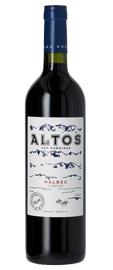
Based in Mendoza, Altos Las Hormigas was founded in the mid-1990s by Italian winemakers. The estate originally championed Malbec but has since expanded its portfolio to include distinctive white blends that reflect the region’s unique soils and climate. Altos Las Hormigas emphasizes minimal intervention and organic practices, aiming to express the natural character of each vineyard site. The "Clasico" Malbec is fermented in stainless steel with 5% whole clusters and aged in concrete for 9 months to preserve freshness.
Pre-Arrival
Top Pick
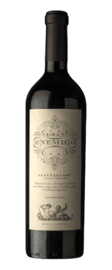
99 points Vinous: "The 2022 Cabernet Franc Gran Enemigo Gualtallary includes 15% Malbec. This fermented with 40% whole bunches, harvested in stages across 1.5 months and aged for 15 months in concrete. Intensely complex, it opens with aromas of mountain herbs—huacatay and heterotheca—along with redcurrant, violet and red fruit. This is a dry, vibrant and fruit-driven expression. It offers chalk, airy concentration, juicy texture and a core of ash. This is weightless, stretching the flavor with crystalline definition. It is a site-driven Cabernet Franc that is shaped by its terroir and polished by the vintage. The 2022 is magic. (JH)" (08/2025) 98 points James Suckling: "This pure cabernet franc has notes of pepper, blue fruit and violets. It’s also distinctly herbal with hints of sage and dill. The well-constructed palate is incisive, saline and delicate, showing marginal coolness and finely etched blue fruit. This wine has a unique varietal profile, achieving something that could only come from this place. (JGA)" (03/2025) 96 points Descorchados : "A savage example of Gualtallary, nearly 1,500 meters up in the northern Uco Valley. This is rich in herbal tones, as is dictated by the dominant variety (cabernet franc), especially if you consider that at this altitude, with the cool Andean conditions, that side is exacerbated. This is a perfumed and juicy red with savage tannins, as is usual in this zone, and the acidity corresponds to a mountain wine. This is 85% cabernet franc, and the rest is malbec, all aged in foudres for 15 months." (01/2025) 94 points Tim Atkin: "A little on the firm side for a Gran Enemigo red - maybe it’s just the relative youth of the wine - this is a chewy, Mediterranean herb-scented assemblage of Cabernet Franc and 15% Malbec from chalk-preponderant soils. Rosemary and pine needle aromas segue into a palate of fig, damson and clove supported by muscular tannins." (06/2025)
Estimated Fulfillment: 12/31/2026
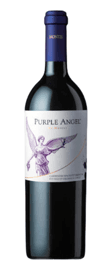
Purple Angel is perhaps the most well-known Carmenere in the world! It is produced by Viña Montes, one of Chile’s most renowned wineries, which was founded in 1988 by Aurelio Montes and Douglas Murray. Purple Angel, introduced in the early 2000s, is their flagship wine. Carmenere was a Bordeaux varietal once thought lost but rediscovered in Chile in the 1990s. Sourced from top vineyards in the Colchagua Valley (notably Apalta and Marchigüe), the wine is mostly Carmenère with a dash of 8% Petit Verdot, and it is aged in French oak. It’s known for its lush black fruit, spicy notes,, and a plush yet structured palate, earning consistently high scores from critics.
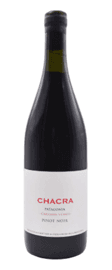
Cincuenta y Cinco (55) comes from vineyards planted in 1955 which gently rest on a sea of pebbles. It is fermented whole cluster at very low temperatures, enhancing the floral characteristics of the wine. The wine is aged for 11 months in 50% concrete tanks and 50% 2nd, 3rd and 4th use French oak barrels.
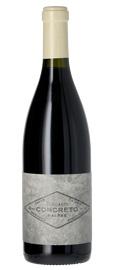
95 points James Suckling: "Such a naked, floral malbec. Stripped down, with fresh blackberries, blueberries, violets, stone, iodine and graphite. Full-bodied and tight with fresh, succulent fruit in a deep set. Intense, flavorful and very composed. Tannins are firm, tight and gritty. (ZS)" (02/2024) 94 points Tim Atkin: "First made in 2014, when unwooded Malbecs of this quality were much rarer, Concreto has been hugely influential in Argentina. Especially bold and intense in 2023, it’s a well-judged cuvée of Paraje Altamira and Gualtallary grapes, all sappy blackberry and blueberry fruit, elegant tannins and a petrichor top note." (06/2024) 94 points Descorchados : "Concreto was first made in 2014, the first made at the Piedra Infinita winery in Altamira, and also the first to show Zuccardi's intention to make highly ambitious wines without aging them in barrels. From the beginning, it has marked a style of ripe red fruits, the sensation of voluptuousness associated with malbec, while leaving aside that sweetness that can often be cloying. To get to know the new face of Andean malbecs, this is ideal. " (01/2025) 93 points Wine Spectator: "An elegant, vibrant and youthful package built around violet, pineapple guava and fresh berry aromas that join the palate. Cherry, orange and slate details swell around the fresh acidity and drive the finish, with cocoa bean and orange peel details and caressing tannins. (AR) " (11/2024)
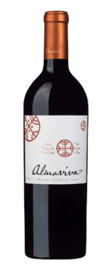
Almaviva is a collaboration between two legendary wine producers: Baron Philippe de Rothschild (owners of Château Mouton Rothschild) and Concha y Toro, one of Chile's most prominent wine companies. Located in Puente—the highest area of the Maipo Valley—Almaviva is the flagship wine of the estate and ranked amongst the country’s most internationally acclaimed wines. It combines French winemaking tradition with Chile’s distinctive terroir. A Cabernet Sauvignon0-based wine, with smaller amounts of Carmenere, Cabernet Franc, and Petit Verdot, Almaviva delivers power and finesse that rivals some of the best Bordeaux blends in the world.
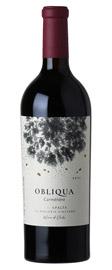
96 points Descorchados : "Obliqua comes from a high-altitude vineyard (about 500 meters), surrounded by hills that give it shade and dramatically reduce the temperature and hours of sunshine in a warm area like Apalta, in the Colchagua Valley. It has been produced since 2017, and this year it was aged for 22 months in oak, 70% in barrels and 30% in foudres. It is 90% carmenere, but it also has 5% cabernet franc and 5% cabernet sauvignon, always from Apalta. It has the herbal aromas of carmenere, although there are also aromas and flavors of ripe, deep red fruits, with iron touches." (01/2025) 96 points Tim Atkin: "Benefitting from the input of the Australian legend, John Duval, Obliqua is a superb, layered assemblage of Carmenère and 5% each of Cabernet Franc and Cabernet Sauvignon. Curated in older barrels and 30% foudres, it has aromas of rocket and parsley, some stony grip and intensity and engaging blackberry, chocolate and damson flavours. Built to last. " (06/2024) 93 points James Suckling: "Peppercorn funk and ripe, dried berries with a touch of bark. Juicy and medium- to full-bodied on the palate with fine-grained tannins and a long, sappy finish. Well-structured. (ZS)" (02/2024)
Product details coming soon.
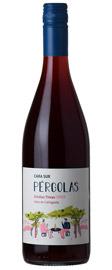
Cara Sur is a small winery formed in 2011 as a partnership between two couples who were inspired to revive ancestral vines and produce wines from traditional Argentine varietals. Sebastián Zuccardi and Marcela Manini teamed up with Nuria Año Gargiulo and Pancho Burgallo, an avid mountaineering couple who live in Barreal, in the Calingasta Valley of San Juan, north of Mendoza.The vineyard sits alongside the Los Patos River in Barreal on stony soil at 1500 meters above sea level. The vines were trained to a Parral, a ceiling-trellised system that provides shade and maximizes airflow. The Criollas Tintas is a blend of Red Criolla varietals (70% Cereza, 20% Criolla Chica, 5% Canela, & 5% Moscatel Tinto). Grapes are hand harvested, destemmed and fermented with indigenous yeasts. The wine is aged for seven months in concrete tanks, neutral oak barrels, and 50 liter demijohns on the lees.
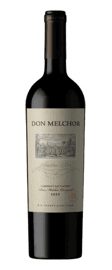
A tribute to Don Melchor Concha y Toro, who planted the first Bordeaux varieties in the Maipo Valley in 1883, the Don Melchor Cabernet is a benchmark wine in Chile and the top wine made by Concha y Toro. The fruit is sourced entirely from the Don Melchor vineyard, which is located at the foot of the Andes Mountains, at just over 2,000 feet. The wine is fermented in stainless steel and aged for 15 months in about 75% new French oak, to create a richly structured and bold style of Cabernet.
90 points James Suckling: "Violets, plums and cherries on the nose of this fruity, youthful red. It’s medium- to full-bodied, bright and straightforward with creamy tannins. (CN)" (05/2025)
92 points Tim Atkin: "Such were the heat and early harvest in 2020, that the Garnacha that makes up the base of this wine with 20% Syrah was picked on February 2nd. Structured and well balanced, with red cherry, blackberry and rosemary flavours and fine-grained, detailed tannins. " (06/2023) 91 points Descorchados : "Despite the strong heat in 2020, that warmth does not come through in this Pura Fe, although the sweet effect of the alcohol does, which comes in at 15º. The red-fruit flavors, floral notes, and smooth texture are very well balanced, while the acidity is firm, and the notes of sweet spices fill the mouth on the finish." (01/2023)
Top Pick
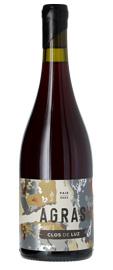
Clos de Luz is located in the Almahue Valley of Chile, a subregion of the larger Rapel Valley known for its warm climate and historic vineyards. Its location is especially important because the valley’s old, ungrafted vines—some over a century old—are rare in Chile and contribute to distinctive, deeply concentrated wines. Clos de Luz is particularly known for reviving traditional Chilean grape varieties like País and Carménère, which have long been overlooked in favor of international varieties. The Almahue Valley holds some of Chile’s oldest vineyards and is also considered to be the birthplace of Chilean Carménère, a Bordeaux variety that nearly went extinct. Clos de Luz emphasizes minimal intervention winemaking, allowing the natural character of the fruit and terroir to shine through. This philosophy reflects a broader movement in Chile toward heritage preservation and authenticity in wine production.
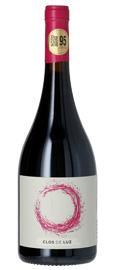
Clos de Luz is located in the Almahue Valley of Chile, a subregion of the larger Rapel Valley known for its warm climate and historic vineyards. Its location is especially important because the valley’s old, ungrafted vines—some over a century old—are rare in Chile and contribute to distinctive, deeply concentrated wines. Clos de Luz is particularly known for reviving traditional Chilean grape varieties like País and Carménère, which have long been overlooked in favor of international varieties. The Almahue Valley holds some of Chile’s oldest vineyards and is also considered to be the birthplace of Chilean Carménère, a Bordeaux variety that nearly went extinct. Clos de Luz emphasizes minimal intervention winemaking, allowing the natural character of the fruit and terroir to shine through. This philosophy reflects a broader movement in Chile toward heritage preservation and authenticity in wine production.
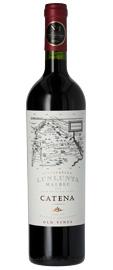
Founded in 1902 by Italian immigrant Nicola Catena, Bodega Catena Zapata is one of the most important, historic wineries in Chile pillar of Argentina's wine history and a global powerhouse, renowned for its pioneering role in resurrecting the Malbec grape and promoting extreme high-altitude terroirs in the Andean foothills of Mendoza. The third-generation vintner, Nicolás Catena Zapata, is credited with spearheading a quality revolution in the 1980s by introducing modern viticulture and winemaking techniques, driven by the goal of crafting Argentine wines that could compete with the world's best. Today, under the leadership of his daughter, Dr. Laura Catena, the winery continues its commitment to scientific research through the Catena Institute of Wine, cementing Catena Zapata's legacy as the defining force that put Argentine Malbec on the international fine wine map.
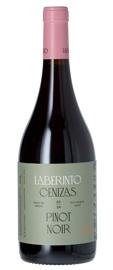
Laberinto Wines was founded in 1993 by winemaker Rafael Tirado in the remote Colbún area of the Maule Valley, at the foothills of the Andes. From the beginning, the project stood apart from traditional Chilean wine regions, as Tirado deliberately chose an unconventional, high-altitude site with volcanic soils and a cool climate. The winery’s early development was driven by experimentation and a desire to produce distinctive, site-specific wines, with vineyards planted in diverse orientations—including a labyrinth-like design that inspired its name. Laberinto’s philosophy centers on exploration, creativity, and a deep respect for nature, aiming to craft wines that reflect the complexity and uniqueness of their environment. The concept of the “labyrinth” itself symbolizes harmony, transformation, and the intricate relationship between land, climate, and human intervention. A strong commitment to sustainability underpins their practices, including organic farming, biodiversity preservation, and regenerative agriculture techniques. Laberinto Wines seeks to create balanced, mineral-driven wines that express both the volcanic terroir and the spirit of continuous discovery that defines the estate.
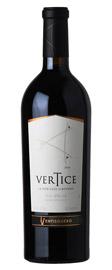
96 points Tim Atkin: "Vértice uses the combined talents of Felipe Tosso and the Australian winemaker and consultant, John Duval. All sourced from the Apalta Valley, it's a more or less equal assemblage of Carmenère and Syrah that shows the region's more elegant side. Aromas of fennel, lavender and green herbs segue into a subtle bramble and red fruit palate embellished by coffee bean oak." (06/2024) 95 points Descorchados : "Vértice is a blend of carmenere and syrah from the highest altitude vineyards (almost 500 meters above sea level) that Ventisquero planted to these varieties in the Colchagua zone of Apalta in 2000. Since the first vintage in 2005, it has consisted of around half of each wine and has been barrel-aged for about 22 months. It’s a wine that takes advantage of the reduced sunlight—approximately three hours less due to the shadows cast by the surrounding hills, offering tremendous fruit expression, with tones of red fruit but also sweet spices and flowers. The texture is very smooth, and the flavors are deep. A wine that requires patience, as you’ll need to open it three or four years from now." (01/2024) 93 points James Suckling: "A solid blend of carmenere and syrah showing aromas of berries, beeswax, mocha and sweet spices. Medium- to- full-bodied with fine, firm tannins. Spicy and flavorful with a vibrant, long finish." (02/2023)
Product details coming soon.
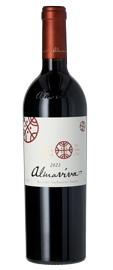
Almaviva is a collaboration between two legendary wine producers: Baron Philippe de Rothschild (owners of Château Mouton Rothschild) and Concha y Toro, one of Chile's most prominent wine companies. Located in Puente—the highest area of the Maipo Valley—Almaviva is the flagship wine of the estate and ranked amongst the country’s most internationally acclaimed wines. It combines French winemaking tradition with Chile’s distinctive terroir. A Cabernet Sauvignon0-based wine, with smaller amounts of Carmenere, Cabernet Franc, and Petit Verdot, Almaviva delivers power and finesse that rivals some of the best Bordeaux blends in the world.
Insider's Advantage
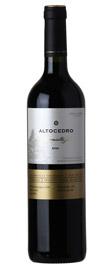
Altocedro is located in the La Consulta district of the Uco Valley in Mendoza. It was founded in 1999 by Karim Mussi Saffie, a third-generation Lebanese immigrant who became a leading figure in the area’s wine development. The winery is known for its strong focus on “terroir-driven” wines, meaning the wines are crafted to reflect the unique characteristics of the land. Karim Mussi Saffie chose La Consulta because of its high-altitude vineyards, old vines, and ideal climate for producing high-quality grapes. Altocedro’s vineyards are surrounded by cedar trees, which inspired the winery’s name—“Altocedro” means “high cedar.” These trees also have cultural significance, reflecting the founder’s Lebanese heritage. The winery uses traditional practices, including hand-harvesting and fermentation with native yeasts. Its location in the southern Uco Valley provides excellent sunlight and very cool nights, which helps to create balanced, expressive wines.
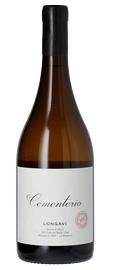
Longavi is a collaboration between Chilean winemaker Julio Bouchon (Bouchon family wines) and South African winemaker David Nieuwoudt (Cederberg). Based in the Maule Valley, the Southern part of Chile’s Central Valley, in fact they take their name after one of the region's snow capped stratovolcanoes. Located hundreds of miles South of Santiago,the region is as rich in old vines as it is isolated. Their wines reflect the history and diversity of the region, made with old varieties, like Pais, Carignan, Moscatel. Not to mention varietals that represent their partnership, Chenin Blanc, and Grenache. The vineyards are farmed organically and sustainably (this was not a region where conventional viticulture took hold. The wines are made in a minimal intervention style, where less is more but not to the detriment to the wines enjoyability. Cementario is is the name of the vineyard, which is adjaect tothe local cementary, where they grafted Chenin Blanc onto a 70 old vine Pais vineyard. Whole cluster, native yeast ferment in large used French oak barrels, and then aged on lees for a year in those same barrels.
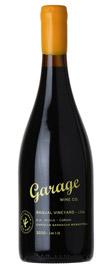
Garage Wine Co. was founded in 2001 by Derek Mossman Knapp, Pilar Miranda, and oenologist Dr. Alvaro Peña. Originally from Toronto, Knapp moved to Chile in the late 1990s—initially for a skiing trip—but stayed after meeting his wife, Pilar Miranda, and discovering the potential of the country's old-growth vineyards. Garage Wine Co. began as a literal "garage" hobby to make small-batch wines for family and friends. It has since grown into a mid-sized artisanal winery into a respected producer of small-batch, terroir-driven wines from the Maule Valley and other regions of southern Chile. The winery works closely with local growers to revive old, dry-farmed vineyards using traditional “originario” methods such as hand cultivation and ploughing with horses, and they ferment all their wines with indigenous yeasts in a hands-on, minimal-intervention style. One of its standout sites is the Bagual Vineyard in Caliboro, a parcel on the banks of the Perquilauquen River with rare alluvial and granitic soils that give the fruit distinctive cool-climate energy and depth. At Bagual, ancient vines of Garnacha, Carignan, and Mataró (Monastrell) are farmed by hand and often with horse work, yielding very limited lots of richly textured, earthy red wines. These wines are celebrated for their plum and berry flavors, spicy and floral notes, fine tannins, balanced acidity, and a savory, vibrant finish that speaks to the vineyard’s unique terroir.
Ernesto Catena is an influential Argentine winemaker known for his innovative and philosophical approach to wine. He is part of the renowned Catena family, one of the most important names in Argentina’s wine history. Unlike more traditional producers, he focuses heavily on organic, biodynamic, and low-intervention winemaking methods. Catena is also deeply interested in the connection between nature, art, and science, often incorporating these ideas into his projects. He has been involved in multiple wine labels that emphasize sustainability and terroir expression.
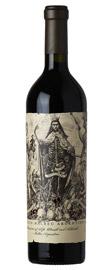
98 points James Suckling: "Elegant and perfumed nose with violets, spices, fresh blackberries, blueberries and touches of chiles, chocolate, cigar box and white pepper. Super juicy on the palate with compact, fine tannins and an extremely long finish. (ZS)" (02/2024) 94 points Wine Enthusiast: "This refined Malbec boasts mulberry aromas and a delicate touch of clove on the nose. The palate is smooth and spiced, featuring juicy black fruit flavors wrapped in notes of vanilla bean and cinnamon. Optimal acidity elevates the dark cherry notes in a delightful, lingering finish. (JV)" (07/2025) 93 points Wine Advocate: "The 2022 Malbec Argentino combines destemmed fruit from Lunlunta's Angélica Vineyard and Nicasia Vineyard in Altamira, and it was fermented with whole clusters. It leads with a rich, savory, black-fruited nose, introducing a similarly assertive and voluptuous palate. It concludes with a lush, staining and drying finish that retains the fine-grained precision that runs through the Catena Zapata roster. (ML) " (05/2025) 93 points Vinous: "A blend of two origins—the warmer La Consulta and the cooler Paraje Altamira —the 2022 Malbec Argentino spent up to 12 months in French oak barrels. Purplish in hue, it reveals aromas of violets, plum and ripe dark fruit, alongside subtle smoky nuances. The oak is finely integrated, lending a creamy texture, plush tannins and a soft structure. This wine masterfully balances two distinct profiles — currently youthful yet velvety. It reinterprets the classic Mendoza Malbec style of the early 2000s. (JH)" (11/2024)
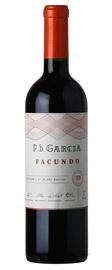
Facundo blends old-vine Carignan with Bordeaux varieties from the heart of Chile (the Carignan and Cabernet Franc are from old vines in Maule Valley, the Cabernet Sauvignon is from Itata, and Petit Verdot is from Colchagua). The vineyards are naturally low yielding from granitic soils. The components are vinified, separated, aged for 28 months in third and fourth use French neutral oak, then filtered lightly before bottling.
Compare to $30 Elsewhere
Wine Club
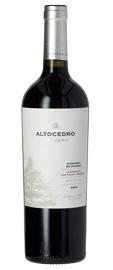
Altocedro is located in the La Consulta district of the Uco Valley in Mendoza. It was founded in 1999 by Karim Mussi Saffie, a third-generation Lebanese immigrant who became a leading figure in the area’s wine development. The winery is known for its strong focus on “terroir-driven” wines, meaning the wines are crafted to reflect the unique characteristics of the land. Karim Mussi Saffie chose La Consulta because of its high-altitude vineyards, old vines, and ideal climate for producing high-quality grapes. Altocedro’s vineyards are surrounded by cedar trees, which inspired the winery’s name—“Altocedro” means “high cedar.” These trees also have cultural significance, reflecting the founder’s Lebanese heritage. The winery uses traditional practices, including hand-harvesting and fermentation with native yeasts. Its location in the southern Uco Valley provides excellent sunlight and very cool nights, which helps to create balanced, expressive wines.
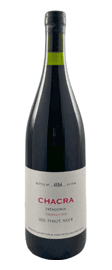
Chacra Treinta y Dos is a single vineyard wine, made from old vineyards planted in 1932 on a land layered with clay, sand and pebbles. The most structured of all Chacra’s wines, Chacra Treinta y Dos is meant to be aged. Its soft characteristics and velvety tannins, however, make it drinkable at a younger age. 45% of this wine is aged for 19 months in concrete tanks, and the remaining 55% is aged in 2nd, 3rd and 4th use French oak barrels.
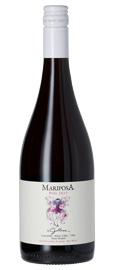
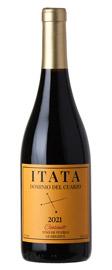
93 points Wine Advocate: "The 2021 Cinsault is from a nice vintage, cool and with healthy grapes that ripened well. It comes from a 65-year-old vineyard in Guarilihue in the Secano Interior appellation on degraded sandy granite soils with lots of quartz and no clay, worked organically (but not certified) with horses. It fermented in concrete cubes and stainless steel with full clusters and native yeasts with a very soft vinification. It matured in concrete and 25% in neutral 500-liter barrels for 11 months. It has 13.5% alcohol and very good balance with freshness and acidity. It has a bright nose of wild berries and herbs, floral, clean and expressive. It's medium-bodied, has a rocky sensation in the texture, a fine thread and chalky, fine-grained tannins. (LG)" (04/2023)
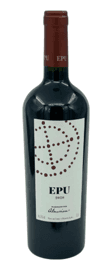
Almaviva is a collaboration between two legendary wine producers: Baron Philippe de Rothschild (owners of Château Mouton Rothschild) and Concha y Toro, one of Chile's most prominent wine companies. Located in Puente Alto—the highest area of the Maipo Valley—Almaviva is ranked amongst the country’s most internationally acclaimed wines. It combines French winemaking tradition with Chile’s distinctive terroir. EPU is their second wine, comprised of mostly Cabernet Sauvignon with a small amount of Carmenere, both sourced from younger vines at the estate. Matured primarily in neutral French oak barrels, in 2020 a small portion of new French oak was included. The resulting wine is fresh and approachable, while maintaining the same level of quality as the flagship bottling.
Join our list
Exclusive offers, new arrivals, and expert picks