

Results for: "Orange Wine"
- Search: "Orange wine"
47 Results
Top Pick
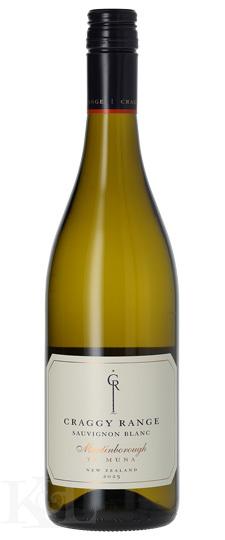
Quivering with fragrant florals, fresh orchard fruits and passionfruit nuance that enrobes the soft, succulence of the palate. Expressive and complex with a fine seam of grapefruit acidity that carries the finely-tuned aromas to the finish. *Platinum Medal - 2026 Decater World Wine Awards*
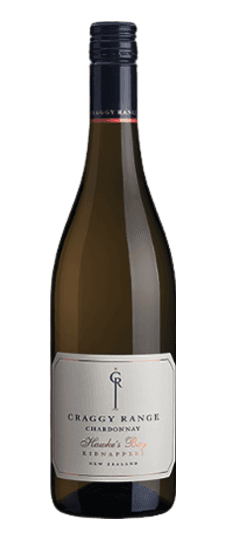
Looking toned and sleek, aromas of crisp apple and white nectarine fruit are wrapped in the tiniest hint of gunflint reduction. The acidity is finely balanced, giving the palate a vibrant, succulent edge. This could very easily have sat in the subtle and stylish flight. (JS)
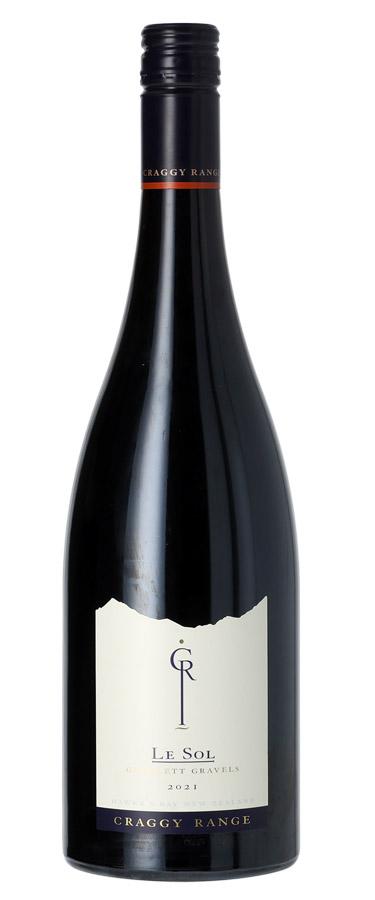
97+ points. The 2021 Le Sol is spicy and detailed. Where the 2020 is open-weave and attractive, the 2021 is tighter, more focused and less "available" for obsessive unpicking (as I am wont to do for you, here). There's raw cocoa, blueberry, finely ground black pepper, orange peel, musk stick, layers of blackberry, mulberry, blood, ferrous notes and a hint of pencil shaving. This is a tightly coiled wine, one that has much unfurling to do, both in the cellar over time and in the glass today. Kaleidoscopic, savory and complex, this is another exciting wine from Craggy Range across the superstar 2020 and 2021 vintages. The exciting thing about the Le Sol is that there is SO MUCH flavor, without weight or density. It is pure concentration, but it leaves an impression of levity and litheness. 13% alcohol, sealed under screw cap. (EL)
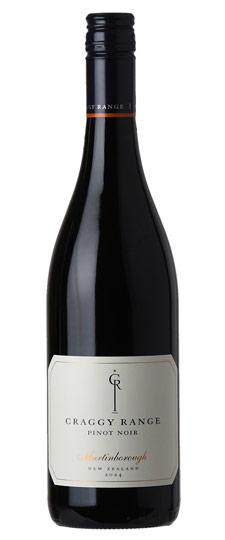
Of the six Pinot Noirs from New Zealand to feature in our Top 50 selections since 2018, this is the third to come from Wairarapa’s Martinborough (the other three, unsurprisingly, have been Central Otago wines). This is an uncompromisingly dark wine that plays to New Zealand’s strengths in terms of purity and vivacity of fruit: raspberry, cherry and plum come streaming from the glass, and the fine meshing of fruit and oak in this wine adds to its lustre and appeal. In the mouth, the wine is both long and broad but not in any way clumsy, and the fruit flavours (raspberry to the fore again) are hypnotic. Svelte tannins are barely palpable, so there’s no textural barrier to entry. *2025 Decanter World Wine Awards - Best in Show*
This is a classic California zinfandel with a warm, ripe-fruit character and intriguing nuances of wild sage, blackberries and sun-baked earth. Moderate tannins and supportive acidity keep it fresh and linear, and bode well for further aging. From organically grown grapes. Drink or hold.
Pre-Arrival
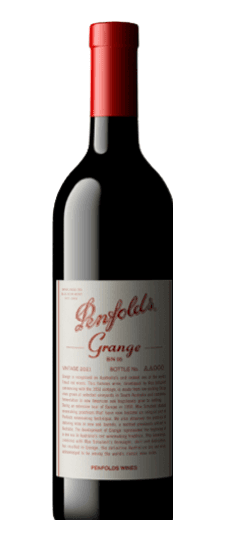
Confession: Grange has never been my favourite of the Penfolds portfolio (I am a St Henri girl) but I’ve been converted. And if ever a vintage were to turn me, 2021 was always going to be the one, heralded by many in South Australia as a ‘vintage of a lifetime’. Sourced from sites across the Barossa Valley (66%), McLaren Vale (26%) and Clare Valley (8%), it is a blend of 94% Shiraz and 6% Cabernet Sauvignon, which spends 18 months in 100% new American oak hogsheads, and has already integrated seamlessly into the opulent fruit. My initial impressions, hurriedly typed, start with a string of descriptors that detail just how seductive it is already: “Wow! Exotic, inky, generous, silky, ripe, velvety. Immense. Incredible. The whole package!” (My colleague Georgie Hindle wrote: “Classy and so sophisticated. Like looking at a gorgeous man in a tuxedo.”) The trademark Grange volatile acidity presents itself as macerated balsamic strawberries, tapenade and tarmac, joining mouthfilling silky tannins and sumptuous aromas and flavours of boysenberry, root beer, mocha, salted liquorice and crème caramel. If you can ignore its siren call from the cellar, it easily has three to five decades of life ahead. (TG)
Pre-Arrival
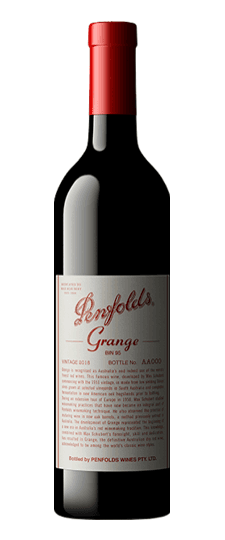
A robust Grange from a lauded vintage, this wields sheer power with such compelling prowess. Uncompromising Grange. There are rich blackberries and plums on offer, together with brazen oak and abundant notes of blackcurrants, black cherries, charcoal, cola and hard brown spices. So fleshy and intense. Dark-chocolate and cocoa-powder aromas and flavors here, too. The tannins are polished and long, extruding deep into the finish and holding endlessly. Dark chocolate, black cherry, dark plum and more. Impressive. Brazen. One of the great Granges that will drink magnificently for decades to come.
The 2023 The New Chapter is a blend of 70% Gewurztraminer with 30% Pinot Gris. It macerated for ten days on skins, then aged for nine months on steel and was bottled with a dash of Sylvaner to soften the phenolics and without any addition of sulfur dioxide. This is bright orange and alive with the lychee and rose aromas of Gewurztraminer on the nose. Its perfumed nature continues on the palate, where this is fused with a smooth, firm phenolic frame and supple freshness. The lychee fruit note is front and center, bound with lemony freshness, while the finish is bone dry.(AK)
The 2022 La Colline Rouge is an orange/bronze-colored white based on a field blend composed of Pinot Gris, Muscat and Riesling. Vinified on the mash for nine months in an amphora, the wine opens with a clear, delicate, fresh and elegant, still yeasty bouquet with limestone notes intermingled with fruit aromas of red pears, berries, oranges and tropical fruits. Very elegant, intense and complex on the palate, this is a tight, rich, long and complex, bone-dry orange wine that was bottled in September 2023 without the addition of sulfur dioxide. 13% stated alcohol. Tasted at the domaine in April 2024.(SR)
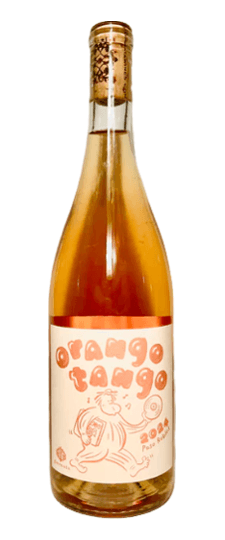
The 2024 Orangotango is spicy and savory on the nose, revealing nuances of shaved ginger and wet stone that give way to musky dried apricots. The palate is soft and round, excelling through a core of zesty acidity as ripe orchard fruits swirl beneath an air of minty herbs. It cleans up nicely, with a slightly saline character and pretty inner florals that linger long. (EG)
Skin contact Malagzouzia giving a brilliant orange color, texture and lovely aromatics to this non-intervention wine. No sulfites added *Orange Wine* *Biodynamic* *Natural Wine* *No Sulfites Added*
*Orange Wine* *Natural Wine*
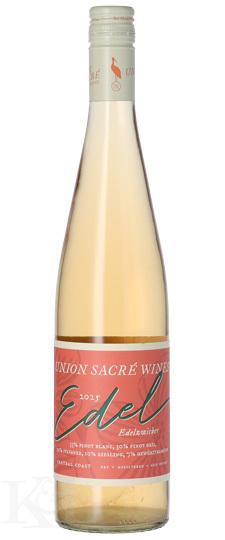
Edelzwicker is an Alsatian term for a white wine assembled from multiple grape varieties, with the name combining words for “noble” and “blend.” Union Sacré brings that tradition to California in this 2025 Central Coast bottling, made as an orange wine through contact between white grapes and their skins.
*Orange Wine*
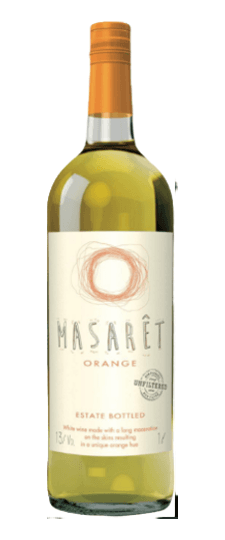
The Borgo Savaian "Masarêt" Orange (1L) is a texturally striking, highly energetic liter-format orange wine crafted by Stefano Bastiani in the rolling, marl-dominant hills of Cormòns, right near the Slovenian border in Friuli. While the estate is widely recognized for its "Aransat" bottling, the "Masarêt" liter selection ups the ante on regional authenticity, utilizing a classic, traditional white blend of 70% Friulano, 15% Ribolla Gialla, and 15% Malvasia Istriana.The hand-harvested fruit undergoes an extensive skin-contact maceration for up to 60 days in stainless steel tanks at a controlled 18°C ($64^\circ\text{F}$), extracting a deep phenolic profile without picking up bitter, coarse edges. Following spontaneous malolactic fermentation in early spring, 70% of the wine is raised in clean stainless steel to lock in raw varietal energy, while the remaining 30% is rested in third-use French oak barriques to soften the mid-palate and knit the structural components together.In the glass, it pours a deep, intense amber-gold with copper highlights. The nose is extraordinarily complex, layered, and deeply savory, leaping with dried apricots, bruised yellow peaches, and candied orange peel, beautifully intertwined with honeyed chamomile, toasted walnuts, and a distinct, wild whiff of Mediterranean scrub. On the palate, this is a beautifully chiseled, medium-bodied orange wine that hits with a sharp, vertical line of natural acidity. The palate is defined by the oily texture of the
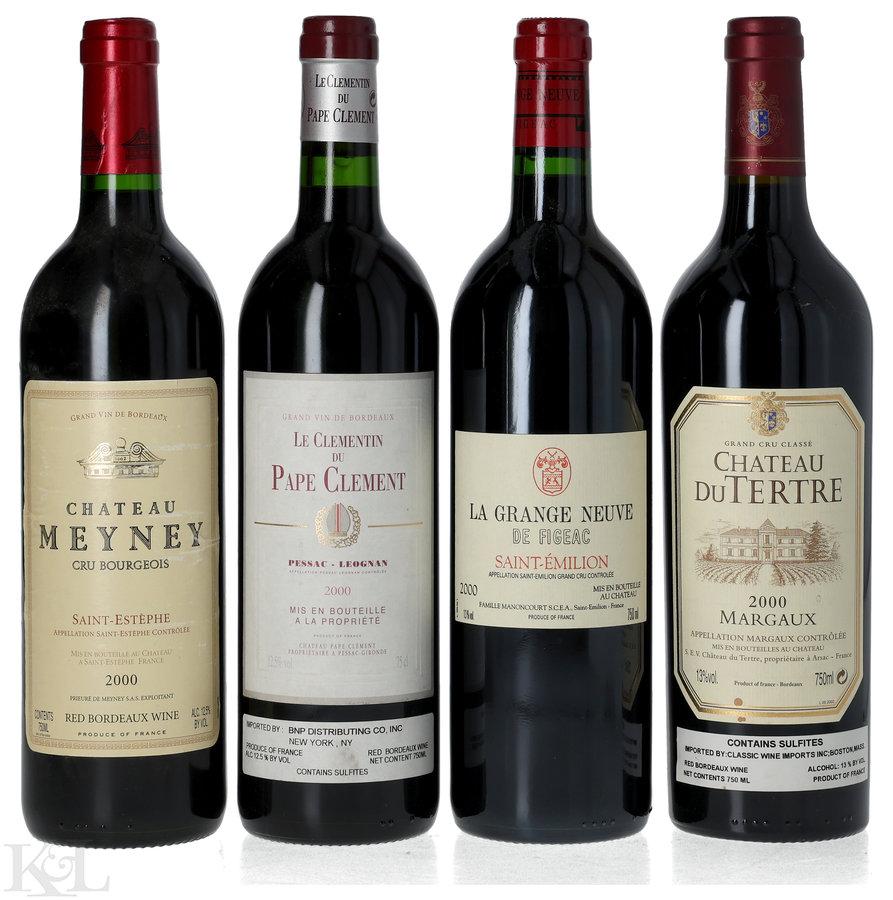
Bid on this 4-bottle tasting lot; including 1-bottle of 2000 du Tertre, Margaux (92VN, 91JS, 91RP), 1-bottle of 2000 La Grange Neuve de Figeac, St-Emilion, 1-bottle of 2000 Le Cleméntin du Pape Clément, Pessac-Léognan, and 1-bottle of 2000 Meyney, St-Estèphe. Of the 2000 du Tertre, Margaux, Vinous writes: "Deep ruby to the rim; much darker than both the 2001 and the 2003. Notes of milk chocolate, underbrush and cedar complicate the ripe red cherry and dark plum aromas. Enters sweet, dense and tactile, displaying ripe dark fruit, tobacco, porcini and mineral flavors of noteworthy precision and cut thanks to harmonious acidity. Finishes sweet, spicy, smooth and very long; once again, du Tertre comes across as remarkably fresh and focused in a hot vintage. (ID)" (01/2012)
Current Bid
Ends 09/02/26 2:10PM PT
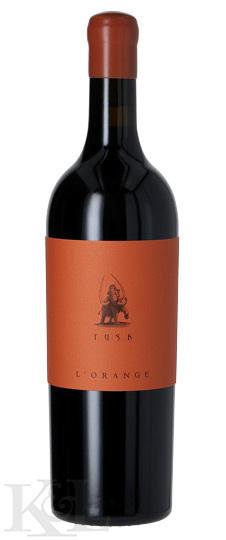
Tusk Estates is a small, estate-focused producer in Napa Valley dedicated to limited-production Bordeaux-style wines crafted from carefully selected vineyard sources. The winery emphasizes hands-on farming partnerships, precision in the cellar, and blends designed to reflect balance and structure rather than overt manipulation. “L’Orange” is a proprietary Bordeaux blend within the portfolio, produced in small quantities and shaped by the estate’s restrained, detail-oriented approach to winemaking.
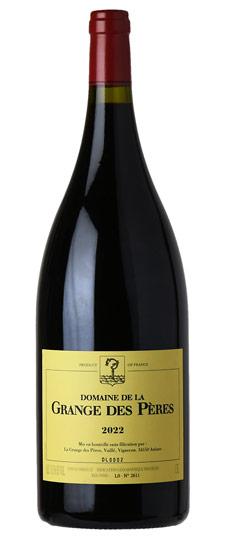
A benchmark wine of the Languedoc, Grange des Pères has maintained cult status for decades. Pierre Rovani summed it up nicely back in 2004: "This estate’s wines are frightfully expensive and terribly hard to locate in the United States, selling out instantly upon arrival on our shores. Nevertheless, it is important for The Wine Advocate to report on them as doing so may inspire young winemakers in the Languedoc to follow in the footsteps of Laurent Vaille, the dedicated, highly talented winemaker of Domaine de la Grange des Pères."
Limit of 2 Per Customer
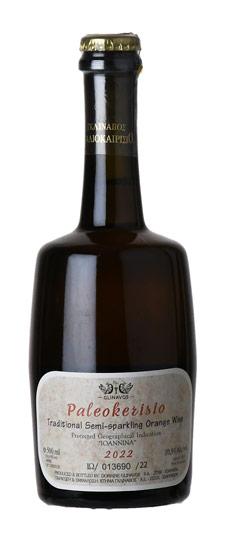
Founded in 1978, Domaine Glinavos is based in Zitsa, a historic winegrowing area of mountainous Epirus in northwestern Greece. Its 2022 Paleokerisio revives a traditional local wine style as a semi-sparkling orange wine, presented in a distinctive 500ml bottle.
Giornata’s 2025 Orangotango is a San Luis Obispo white blend made with skin fermentation, the technique that places it in the orange-wine tradition. Despite the name, orange wine contains no oranges; the term refers to white grapes fermented in contact with their skins, much as red wines are produced.
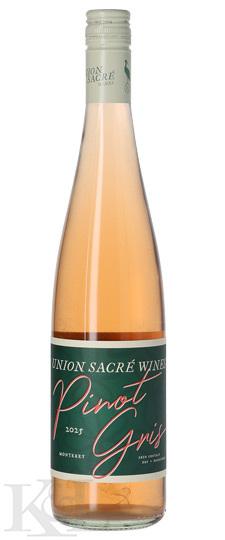
This 2025 Pinot Gris comes from California’s Santa Lucia Highlands, an appellation set along the eastern slopes of the Santa Lucia Range in Monterey County. Skin fermentation keeps the juice of this white grape in contact with its skins during production, placing Union Sacré’s bottling in the orange-wine tradition.
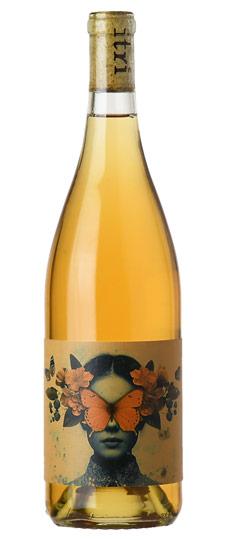
Skin fermentation places this California white blend in the orange-wine tradition, where white grapes remain in contact with their skins during fermentation rather than being pressed off beforehand. Itri Cellars presents the method in a blended white-wine format.
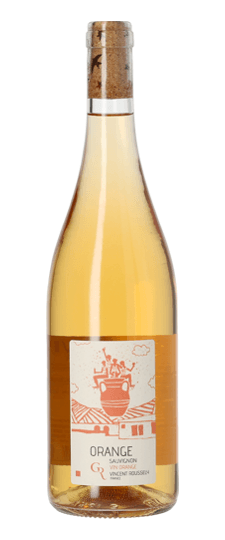
Clos Roussely’s 2025 Vin Orange uses Loire Sauvignon Blanc in the skin-contact tradition that defines orange wine. Unlike conventional white-wine production, this approach ferments white grapes with their skins, making the production method—not a separate grape variety—the basis of the style.
Skin contact gives this 2025 Muscat its orange-wine classification: white grapes remain in contact with their skins during production, borrowing a technique more commonly associated with red winemaking. Breaking Bread’s “Marmalade” comes from Dry Creek Valley, a Sonoma County appellation formally established in 1983.
Carboniste’s 2023 “Crab” brings together two distinctive traditions: sparkling wine and orange wine, a category made by fermenting white grapes in contact with their skins. The Extra Brut designation indicates a notably low dosage, with no more than 6 grams of sugar per liter.
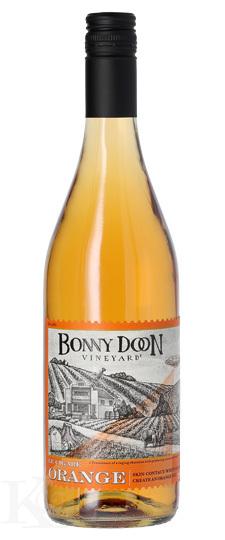
Bonny Doon’s Le Cigare name nods to the 1954 Châteauneuf-du-Pape ordinance famously prohibiting “flying cigars,” or UFOs. The 2024 Le Cigare Orange is a Central Coast white blend fermented with its grape skins, the production method that places it in the orange-wine tradition.
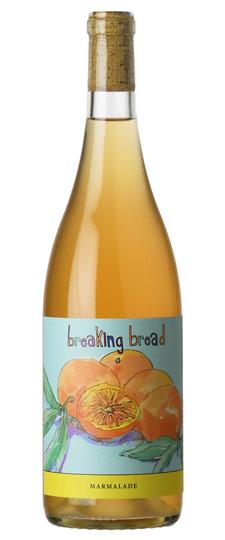
Breaking Bread’s 2024 “Marmalade” is a skin-contact Muscat from Dry Creek Valley, the Sonoma County appellation established in 1983. Often called orange wine, skin-contact white wine is made by leaving white grapes with their skins during fermentation, adapting a method more commonly associated with red-wine production.
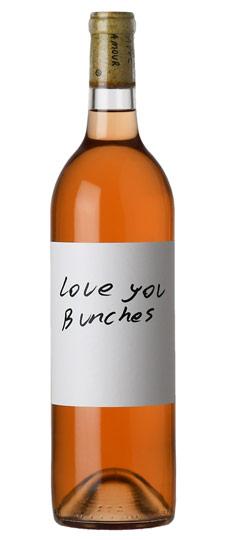
Stolpman Vineyards is rooted in Ballard Canyon, a Santa Barbara County appellation recognized in 2013. The 2023 Love You Bunches is an orange wine—a white-grape wine made with skin contact during fermentation—linking an ancient winemaking approach with this California producer’s contemporary label.
I. Brand’s 2024 Supertoothy is a skin-fermented white blend from Monterey County, California. Skin fermentation keeps white grapes in contact with their skins during production, a method commonly associated with orange wine. This bottling brings that traditional approach to a contemporary Central Coast blend.
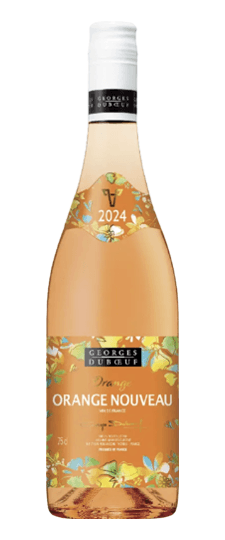
Now this is a super fun wine for fans of Orange wine: an Orange Nouveau!!! Salty aromas mix with notes of citrus and orange marmalade. The palate is zesty with hints of Rainer cherry along with orange and citrus flavors. One the finish the Orange wine personality shines thru with hints of mushroom and earth. A very cool orange wine for the Beaujolais Nouveau fan.
Union Sacré takes inspiration from Alsace while working with California’s Central Coast vineyards. This 2024 orange wine uses the traditional Alsatian term “Edelzwicker,” historically applied to blends of white grape varieties. Extended contact between juice and grape skins distinguishes orange wine production from conventional white-wine methods.
A blend of 50% Rkatsiteli and 50% Mtsvane with 3 weeks of skin maceration. It spends 6 months in Qvevri and then goes into stainless steel. In springtime it is moved into stainless and then racked a couple more times before being bottled in late June. *Orange Wine* *Natural Wine*
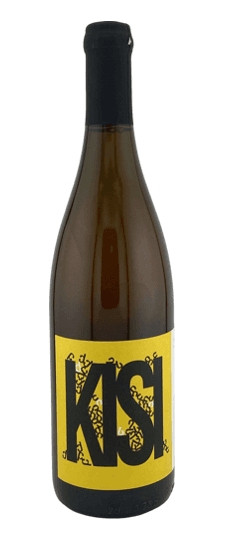
*Orange Wine* *Natural Wine*
Vigneron Marc Barriot has been producing wines in Roussillon since 2004. He sought out ancient vines and uses traditional practices to deliver some truly distinctive wines. Marc uses biodynamic methods, even ploughing by horse, and uses minimal sulfur in his winemaking. The "Le Trouble Fait" is made with Muscat (and a little direct press Sauvignon Blanc and Syrah) and sees 2 weeks of skin contact adding tremendous texture and weight to the wine. *Orange Wine* *Natural Wine*
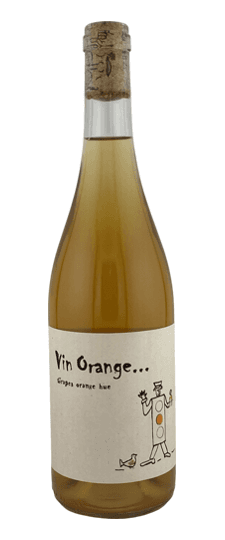
Orange wine takes its color from extended contact between white grapes and their skins, borrowing a red-wine technique for white-wine production. Domaine Rimbert’s “Vin Orange...” comes from France’s Languedoc-Roussillon and carries the flexible Vin de France designation rather than a regional appellation.
*Natural Wine* *Orange Wine*
Macerated for six months on the skins in Qvevri. *Orange Wine* *Natural Wine*
*Orange Wine* *Natural Wine*
Domaine Casademont’s Corneilla is a skin-contact white wine from Languedoc-Roussillon, presented under the Vin de France designation. Often called orange wine, this category is made by keeping white grapes in contact with their skins during production, distinguishing it from conventional direct-pressed white winemaking.
New
Tsitska is an indigenous white grape closely associated with Imereti in western Georgia, a region with a long tradition of clay-vessel winemaking. Pheasant’s Tears, founded by artist John Wurdeman and Georgian winemaker Gela Patalishvili, works with native Georgian varieties and traditional qvevri methods; this 2024 orange wine highlights that heritage.
*Orange Wine* *Natural Wine*
Kristian Keber is one of the rising stars of Slovenia and the son of Edi Keber who is one of Collio's icons. This Slovenian property is just a stones throw from the Italian border. Kristian's white is a blend of 50% Ribolla Gialla, 40% Friulano and 10% Malvasia Istriana. The wine sees 12 days maceration on skins giving it that wonderfully taut but not overwhelming "orange" profile. It is fermented in cement vats using indigenous yeasts and then aged for 2 years in large oak casks with 6 months more bottle age before release. *Orange Wine* *Natural Wine*
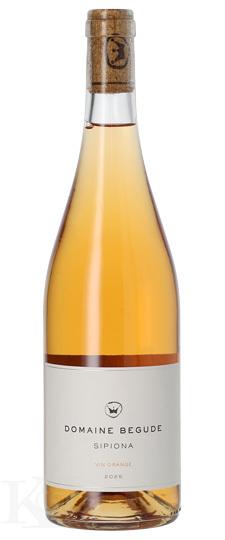
Domaine Begude is a small, family-owned property located high in the foothills of the Pyrenees in the Limoux region of the Languedoc. The long, cool growing season lends itself perfectly to the production of crisp and delicate wines, all organically certified by Ecocert. Vigneron James Kinglake has been secretly growing Gewurztraminer on his property for years but it wasn't recognized by the appellation board until recently. Also trying their hand at something fun and playful, they took a small amount of the Gewurztraminer and kept it on the skins for two weeks in stainless steel tank. It is bottled unfined, unfiltered and with no added sulfites. A great new expression from one of our favorite organic producers! *Orange Wine* *Natural Wine* *No Added Sulfites*
Orange wine is made by fermenting white grapes with their skins, a method that distinguishes it from conventional white-wine production. Union Sacré’s 2024 “40 Days” applies this skin-contact approach to Gewürztraminer grown in Monterey County, California.
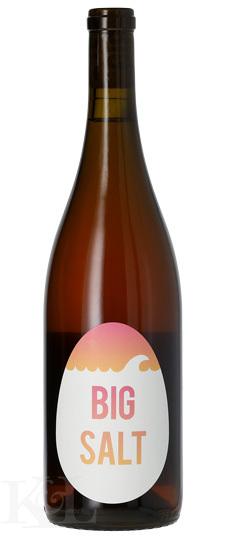
Skin fermentation defines the 2025 Big Salt “Orange,” an Oregon white blend made by allowing white grapes to remain in contact with their skins during fermentation rather than pressing them off immediately. This production method places the bottling within the centuries-old tradition commonly known as amber or orange wine.
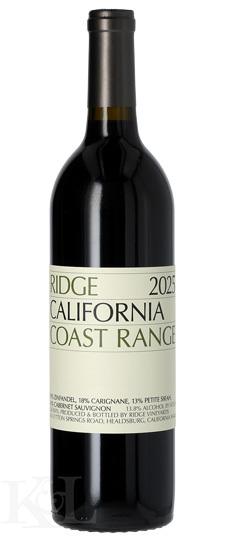
Ridge Vineyards’ modern history began in 1962 with its first Monte Bello vintage. The winery’s long association with Zinfandel includes its inaugural Geyserville bottling in 1966. The 2025 Coast Range continues that California focus as a Zinfandel-based red blend.
Join our list
Exclusive offers, new arrivals, and expert picks