

Results for: "Vermouth"
- Search: "vermouth"
63 Results
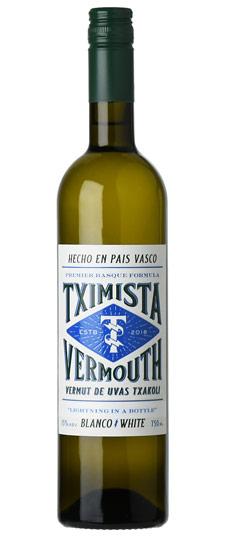
The world’s first and only vermouth made with 100% Hondarrabi Zuri Getariako Txakoli Wine. The underlying wine is produced by the fifth-generation of winemakers from the famed Eizaguirre family, from old vines grown high on breathtaking rolling hills just above and overlooking the beautiful Bay of Biscay in Zarautz, Spain. They pioneered the use of local "Integrated Production" since the climate in the area is too wet for certified organic or biodynamic production methods. Instead of spraying, they bring sheep from a farm next door to eat the dead vine leaves, grass, and pests that would otherwise lead to rot, leaving only the living grapes which fight through rough conditions to produce the wine. The wild wine made here is famous for its freshness and complexity and this vermouth uses a double maceration technique to highlight it's best qualities. More than 80 mostly local aromatic herbs from all around the Basque Country are extracted in a base spirit of Orujo — a pomace brandy similar to eau de vie. This concoction is aged for several months in old French oak barrels before being blended with the txakoli wine and adjusted to 15% ABV. The liquid is a bright straw yellow color, with a slight herbaceously green tint. The nose is complex with peach, lemon, spice, and floral notes, and the mouth feel is very much like its underlying txakoli wine — filled with bright acidity, mineral, salinity, and a dry, velvety finish.
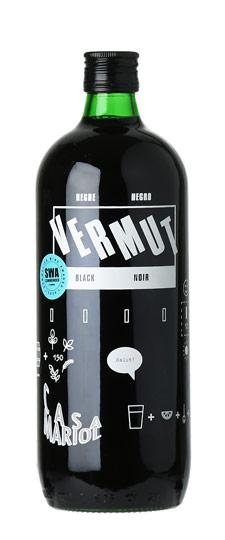
100% Macabeu is fermented at low temperatures. Green walnuts, herbs and spices are sourced locally from the Matarrana area and macerated in the wine. The whole concoction is then aged for up to six months in a solera before being bottled in one of the coolest looking bottles on the market. The Spanish drink vermouth like it's going out of style, but we all know that there's nothing more stylish than pulling out a bottle of fine vermouth to pair with your tapas. What else are you going to do with all your canned fish? While designed primarily for straight consumption, the Negra lends itself to mixing as well. This one's all about balance!
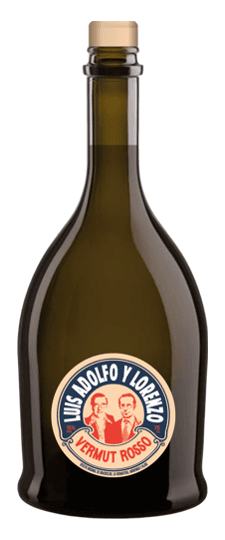
El Vermut de Luis Adolfo y Lorenzo is a deeply expressive and modern Mediterranean take on the classic Vermut Rosso. Crafted in Mallorca by Brassclub’s Rafa Martín in collaboration with Luis Adolfo and Lorenzo, this small-batch vermouth begins with the native Malvasia grape from Vinyes Mortitx and macerates for months with botanicals chosen by La Vermutera. The infusion balances local herbs such as lemon verbena and myrtle with traditional spices like wormwood, clove, anise, and cardamom. The result is a radiant dark brown elixir offering aromas of orange peel, raisin, and baking spice layered with a subtle bitterness. On the palate it is supple and elegant at 15% ABV, with a hint of sweetness giving way to a dry, pleasantly bitter finish. Served chilled or over ice with an orange twist, it’s equally at home in a Negroni, a Manhattan variation, or simply as an aperitif on its own. This is a sophisticated, conversation-worthy vermouth that captures the warmth, balance, and botanical complexity of the Mediterranean while honoring the timeless Spanish tradition of drinking vermut.
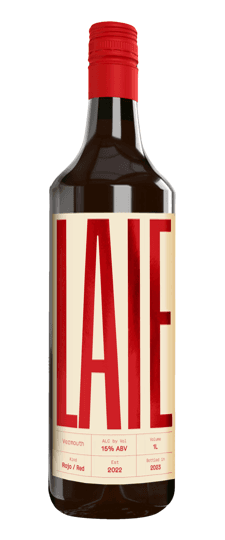
Made in Barcelona. A symphony of 20 aromatic herbs and spices playing over the rhythm of Xarel Lo, Macabeo, and Parellada. Crafted in tribute to the original settlers of the region, the Laietani. Carefully crafted to enhance and elevate cocktails that call for red vermouth, complementing the base spirit and allowing it to shine as the centerpiece of the drink. But LAIE Vermouth is perhaps best enjoyed when sipped in its purest form, served chilled, and adorned with a tantalizing orange slice accompanied by a succulent olive.
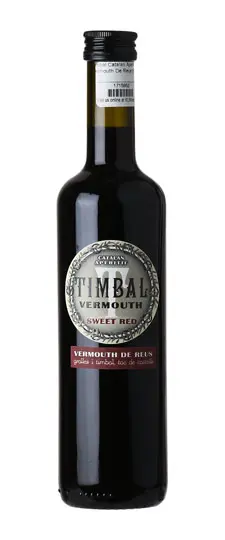
The house of Emilio Miró is one of the few survivors of the golden age of Vermouth before the Spanish Civil war. Today they're the most prominent remaining producer of Vermut de Reus. The roots of Vermut de Reus extend to 1858, when Reus was the center of the Catalan wine trade. The tradition of La Hora del Vermut (Vermouth Hour) is once again a late afternoon fixture throughout Spain, especially in Catalunya, and the sweet red (rojo) variety is found in nearly every café and bar on ice, with olives and an orange slice or spritz'ed. Meanwhile, bartenders are discovering that the subdued sweetness of Timbal Vermouth shines in classic cocktail proportions as tastes run toward drier yet no less flavorful formulations.
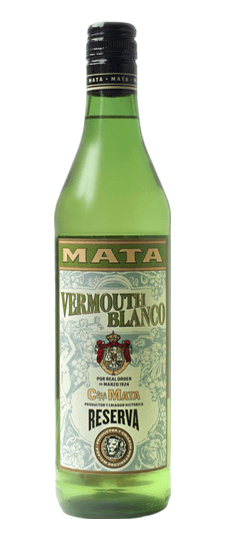
This classic vermouth is made in the northern Spanish province of Bierzo. The base wine is a blend of the local white varietals Dona Blanca and Godello. The wine macerates for 40 days with various roots, flowers and savory herbs. Once the maceration is complete, the vermouth is filtered, it is then slightly fortified and there is an addition of grape must to add sweetness and enhance the mouthfeel. While the recipe is secret it includes bitter orange peel, sage, thyme, star anise, saffron, mint and thyme. This is what a lot of people would call a "sipping vermouth". With a wonderful sweet bitter balance it is a perfect aperitif. It is less sweet than many "bianco/blanc" vermouths on our shelves, so there are plenty of cocktail applications as well.
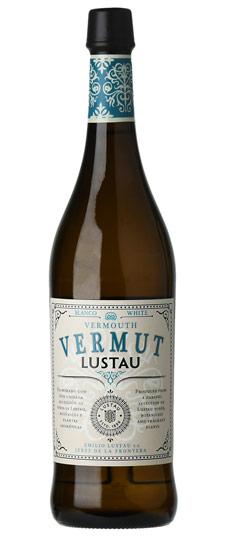
The wonderful Vermut de Jerez from Lustau is the result of two great Spanish beverage houses coming together to create something superfluously good. Lustau, the storied producer of Sherry and The Caballero Family who have specialized in liquors since 1830. The result is an enchanting mixture of Jerez' great wine and classic Vermouth herbs and botanicals. Lustau's description: "White vermouth Lustau born for palates seeking a more dry and bitter drink. A perfect blend of two wines: a dry, mineral and crisp Fino sherry and a sweet and floral Moscatel wine. A careful and meticulous selection of botanicals in highlighting wormwood, chamomile or rosemary, make up the secret recipe for the first Vermouth Blanco in the history of Jerez."
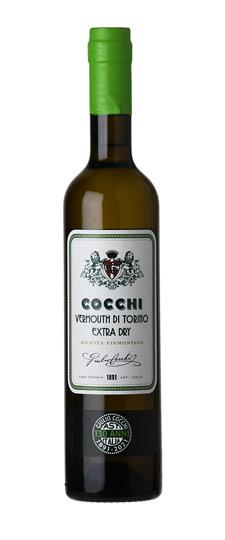
Produced in the Piemonte the birthplace of vermouth, this Cortese-based vermouth was released to mark Cocchi's 130th anniversary. The Cortese grapes (also used for Gavi wine), are infused with Artemisia Absinthium, from the Piemonte mountains, local Menta di Pancalieri, and lemon, according to the producer.

Founded in Jerez in 1835, González Byass revived La Copa from a vermouth recipe preserved in its historic archives and dating to 1896. This Rojo Vermouth de Jerez draws on the house’s sherry tradition, combining Oloroso and Pedro Ximénez wines with a carefully selected blend of botanicals.
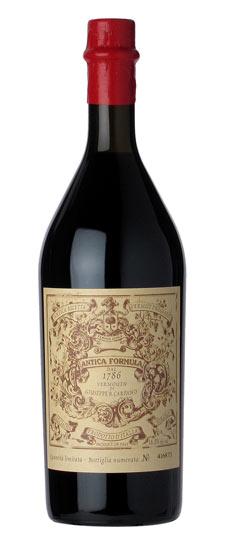
Rich, fruity and enticing, this sweet vermouth is warmed with notes of fig and dried cherries, and just faint hints of spiced gingerbread and bitter orange peel. Drinkable solo as an apéritif, or use it as a cocktail-mixing favorite. (KN)
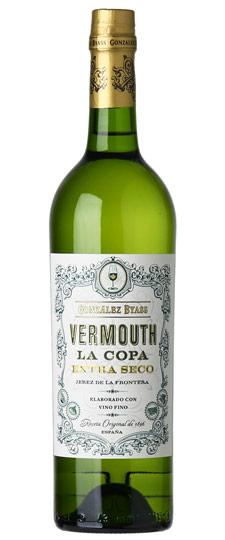
Gonzales Byass is one of the most historic houses in the realm of Sherry, so it would make sense that they would be the ones to resurrect the tradition of vermouth production in Jerez. Based on an original 19th century recipe, this stellar vermouth is made from young fino soleras, with a secret selection of botanicals including wormwood, savory, clove, bitter orange, cinnamon, nutmeg, chamomile and a distinctive touch of raspberry to give a long and persistent aftertaste. There's no question this outstanding addition to your home bar will take your Martini game to another level, or try it in your Negroni for an oh so Fino twist on the classic Italian tipple.
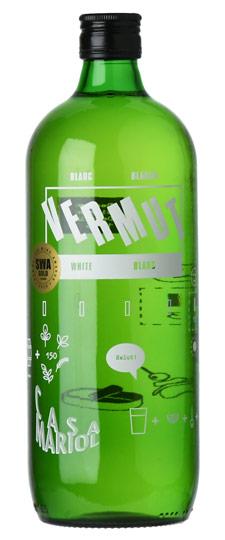
Casa Mariol is the revitalization of a century-old, family-owned wine business operating out of La Batea, a medieval town in the heart of Terra Alta. Their white vermouth follows the family's traditional recipe, with a wine base of the Macabeu variety, 100% from their own wines, macerated with more than 150 herbs selected from the locality and rested on its lees. Brimming with fresh green herbs, bitter citrus and notes of anise and fennel, this verdant and dry vermut is balanced and fresh, perfect with a chill, on the rocks, with a splash of soda or in a martini.
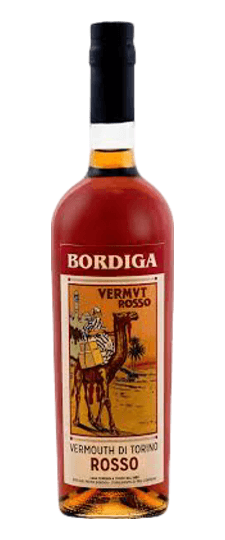
Lighter in style than the other Italian rosso vermouths we carry, the Bordiga Rosso di Torino is based on Piedmontese white wines, including some Moscato, and infused with more than thirty different botanicals, many of them grown in the Occitan Alps near the winery. A tinge of cola sweetness on the finish accents the pureness of the bitterness and spice.
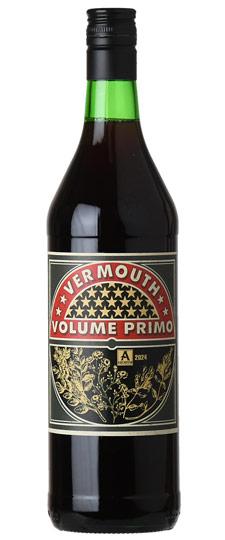
From the famous Veronese bar Archivio comes Volume Primo Vermouth. The brainchild of bartenders and recipe creators, Raffaele and Tommaso, the idea with this release was to produce a fresh, Mediterranean-styled vermouth to use in their bar. A blend of 95% Moscato d’Asti and 5% Grillo Siciliano renders this fortified wine soft and fruity. Partnered with the wonderful Antica Distilleria Quaglio in Piemonte, they're making the most exciting vermouth on the market today. The majority of its herbs come from Distilleria Quaglia’s own fields, located in the hills of Asti. In addition to the classic bittering elements of wormwood and gentian, the ingredient list of botanicals includes fresh thyme, sage, knapwood, chamomile, licorice root, and a touch of vanilla.
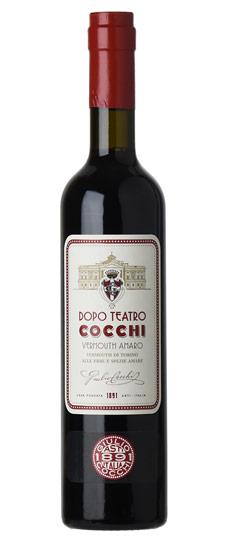
This silky, garnet-hued sipper features a double dose of bitter quinine, but don't worry, it doesn't read as especially bitter. It features an enticing spiced-cherry scent and a flavor that suggests cherry compote, with a violet lilt on the finish and just the right amount of bitter edge. Sip or mix. *Best Buy* (KN)
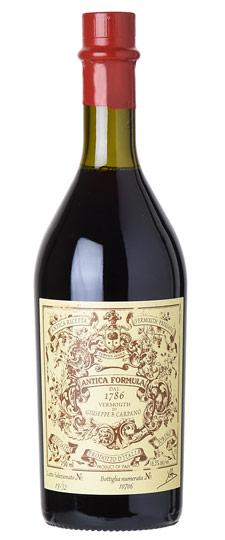
A sweeter, richer vermouth infused with vanilla, this is sumptuously textured and offers enticing notes of raisin, macerated orange, tea, carob and nutmeg. Finishes with balancing bitterness and fennel. (MM)
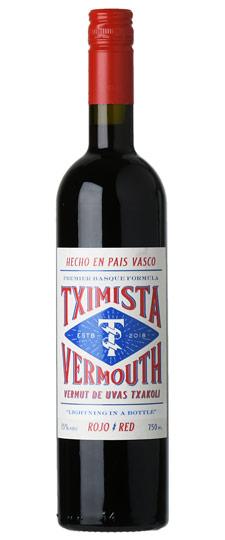
The world’s 1st & only vermouth made with 100% Hondarrabi Zuri Getariako Txakoli Wine.The underlying wine is produced by the fifth-generation of winemakers from the famed Eizaguirre family, from old vines grown high on breathtaking rolling hills just above and overlooking the beautiful Bay of Biscay in Zarautz, Spain. They pioneered the use of local "Integrated Production" since the climate in the area is too wet for certified organic or biodynamic production methods. Instead of spraying, they bring sheep from a farm next door to eat the dead vine leaves, grass, and pests that would otherwise lead to rot, leaving only the living grapes which fight through rough conditions to produce the wine. The wild wine made here is famous for its freshness and complexity and this vermouth uses a double maceration technique to highlight it's best qualities. More than 80 mostly local aromatic herbs from all around the Basque Country are extracted in a base spirit of Orujo -a pomace brandy similar to eau de vie. This concoction is aged for several months in old French oak barrels before being blended with the txakoli wine and adjusted to 15% abv. A deep chestnut auburn in color. The nose is complex with grapefruit, raspberry, and nectarine notes, and a finish of toast, vanilla, and caramel, all balanced by a bitter and tannic base. The underlying txakoli wine fills everything with bright acidity, mineral, and salinity, but the rich botanicals lend more depth.
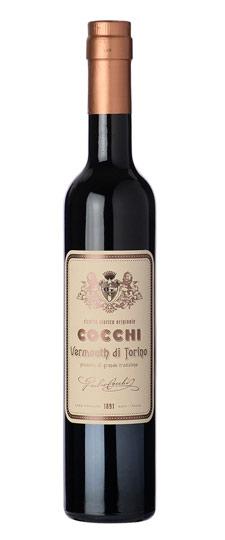
Cocchi makes my favorite red vermouth. I use it for Manhattan’s, in a Negroni, or in my favorite Champagne cocktail, the Negroni Sbagliato. If you are interested in seeing the recipe, search "Negroni Sbagliato" on the blog (blog.klwines.com) to find it, complete with video. If you don’t mind waiting, you can also send me an email with the button above, and I’ll send you the link.
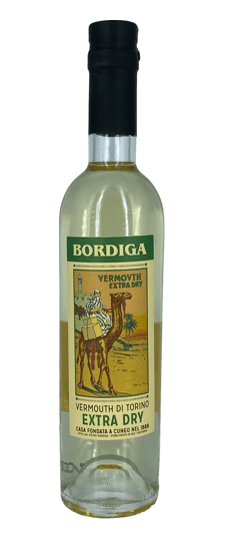
The Bordiga Extra Dry takes all the herbal complexity and concentration of the classic bianco and simply removes the sweetness. Based on Piedmontese white wines, including some Moscato, and infused with more than 30 different botanicals, many of them grown in the Occitan Alps near the winery, and the macerations are done individually and in-house.
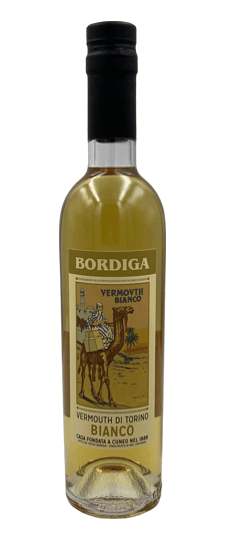
This classic vermouth type is based on Piedmontese white wines, including some Moscato, and infused with more than thirty different botanicals, many of them grown in the Occitan Alps near the winery. The flavor of this vermouth is complex and vivid, with an excellent balance of sweetness and bitterness. Some vermouths taste strongly of a single botanical, but the interplay of components here is distinctive and delicious. All of the herbal infusions are done individually and in-house. Add it to your favorite cocktail, but not before you try it on the rocks with a splash of soda. The Bordiga is so delicious and complex that it easily stands alone.
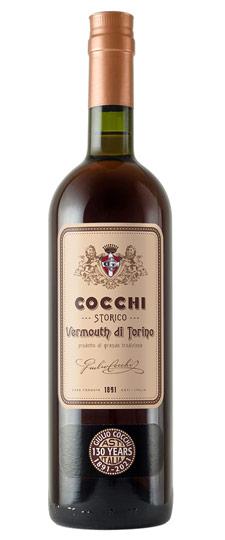
Cocchi makes my favorite red vermouth. I use it for Manhattan’s, in a Negroni, or in my favorite Champagne cocktail, the Negroni Sbagliato. If you are interested in seeing the recipe, search "Negroni Sbagliato" on the blog (blog.klwines.com) to find it, complete with video. If you don’t mind waiting, you can also send me an email with the button above, and I’ll send you the link.
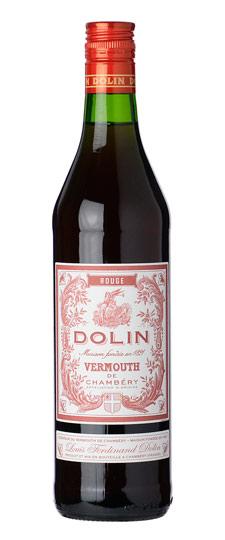
In a blind sweet vermouth tasting between Dolin Rouge, Cocchi di Torino, Carpano Antica Formula, and Vya, Dolin was the winner for me. Of the four, Dolin is the most temperate. While the Italian vermouths were grandiose in style, and the Californian Vya eccentric, the French Dolin struck an amiable balance of flavor between its wine base and botanical infusion. Not so fragrant as to swamp your spirit with aromatics, nor so sweet as to throw off the balance of your cocktail, Dolin is the standard for vermouth.
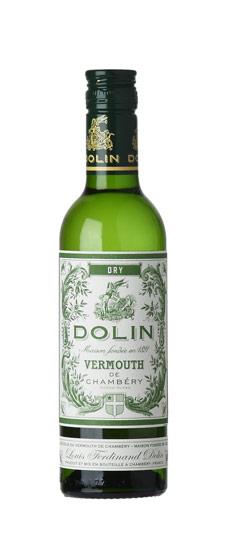
Made to the same set of recipes since 1821, Dolin Vermouth de Chambéry has long been the benchmark for fine French Vermouth. Made with fine wines of the region and botanicals found in the alpine meadows above Chambéry, together they impart a fresh and elegant nose, with a subtle and complex palate. Ideal as an aperitif or in cocktails. In the late 19th century, Dolin Vermouth de Chambéry won medals in Paris, London, St. Louis and Philadelphia and in 1932 earned Chambéry France's only Appellation d’ Origine for Vermouth.
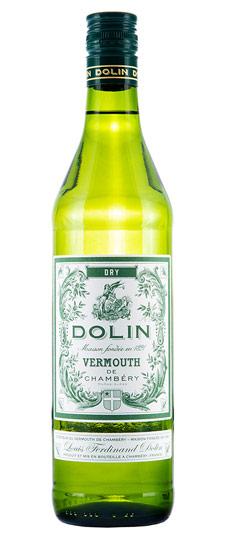
Made from the same set of recipes since 1821, Dolin Vermouth de Chambéry has long been the benchmark for fine French vermouth. It is made with fine wines of the region and botanicals found in the Alpine meadows above Chambéry, which impart a fresh and elegant nose with a subtle and complex palate. Ideal as an aperitif or in cocktails. In the late 19th century, Dolin Vermouth de Chambéry won medals in Paris, London, St. Louis and Philadelphia and in 1932 earned Chambéry France's only Appellation d'Origine for Vermouth.
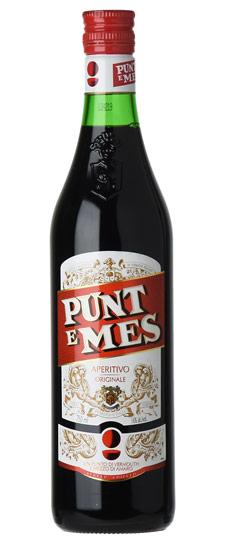
This aroma of this sweet vermouth suggests dark berries and savory spices. The first sip is sweet, rich and plummy, with flickers of juicy orange. The long finish is shored up with baking spice and dried thyme. Recommended for cocktails. (KN)
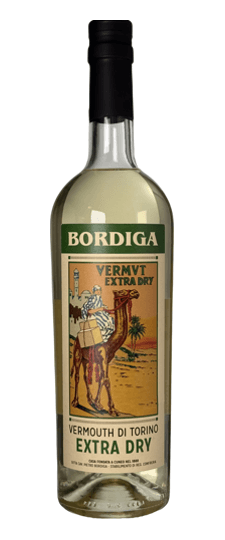
The Bordiga Extra Dry takes all the herbal complexity and concentration of the classic bianco and simply removes the sweetness. Based on Piedmontese white wines, including some Moscato, and infused with more than 30 different botanicals, many of them grown in the Occitan Alps near the winery, and the macerations are done individually and in-house.
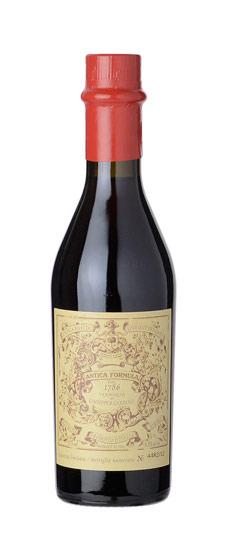
A sweeter, richer vermouth infused with vanilla, this is sumptuously textured and offers enticing notes of raisin, macerated orange, tea, carob and nutmeg. Finishes with balancing bitterness and fennel. (MM)
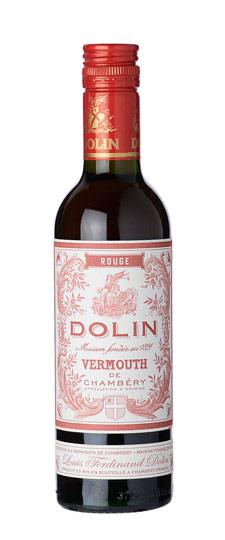
Made from a recipe that dates back to 1821, using herbs and botanicals grown in the Alpine meadows of Chambéry, this is as authentic and traditional a Vermouth you can get. Tasting notes from the importer: "Dolin Vermouths are notably lighter, drier and less pungent than their larger commercial counterparts. The particular mixture of plants found near Chambéry give a fresh, restrained and elegant nose, with a subtle, complex bittersweet palate. Even the Blanc and Rouge retain great balance, with the sugar never cloying, and just enough bitterness to whet the appetite. Each can be enjoyed as aperitif on ice, with a twist of citrus, or in a broad array of traditional cocktails."
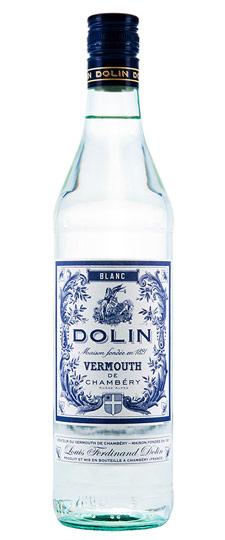
Dolin, the last of the Chambéry producers of France, makes dry vermouth that is citrusy and grapey, as well as a sweet and floral style.
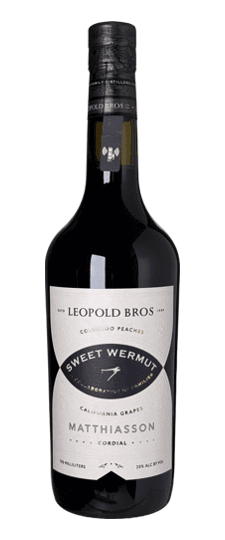
What an incredible value! It's rare to find an American red vermouth that so perfectly encapsulates the distinctive terroir of Napa cabernet sauvignon. The infusion blend is an excellent and well-integrated complement to the strong grape foundation, with the wormwood and ginger as standouts.
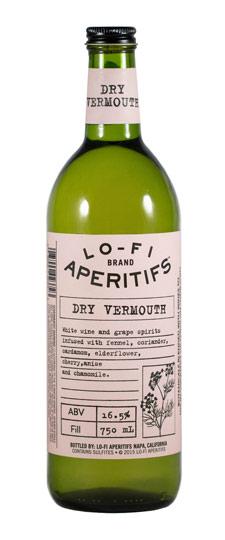
Formulated with a higher pH to balance the flavor profile relative to other vermouths, this craft mixer displays "sweet anise and coriander aromas with citrus fruit and hints of elderflower," with "complex spicy flavors on the palate are balanced with the fresh fruit flavors from the Muscat Canelli," according to the producer.
Product details coming soon.
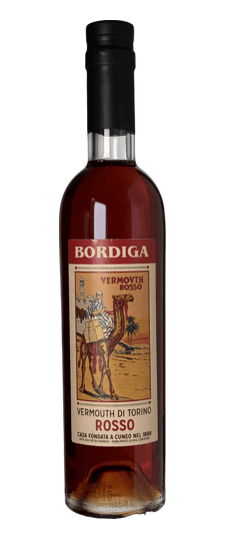
Lighter in style than the other Italian rosso vermouths we carry, the Bordiga Rosso di Torino is based on Piedmontese white wines, including some Moscato, and infused with more than thirty different botanicals, many of them grown in the Occitan Alps near the winery. A tinge of cola sweetness on the finish accents the pureness of the bitterness and spice.
This is insane - while not technically a vermouth because it doesn’t use wine, it’s basically Japanese sake based vermouth. It drinks like a less sweet blanc vermouth, but not quite dry. It’s got all the lift and bright aromatics of sake taken to 11 by the addition of Japanese citrus’ like Yuzu and Kabosu and made even still more complex by peppercorns and mugwort along with a host of other bitters and spices local to Kumamoto. Try it in a martini or just on the rocks with a twist. It’s exceptional.
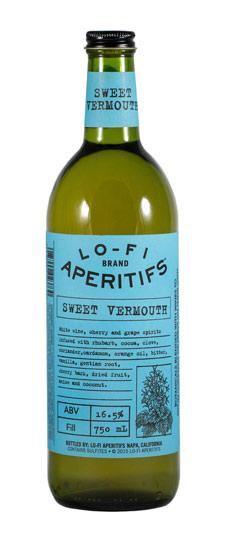
Since most sweet vermouths resemble red wine the golden hue may surprise – and that's just fine for this versatile option. The light, sweet aroma suggests vanilla, peach nectar and mint, while the palate shows dried apricot, ripe pear, waxy honey and elderflower, exiting with mild baking spice and drying lemon pith. (KN)
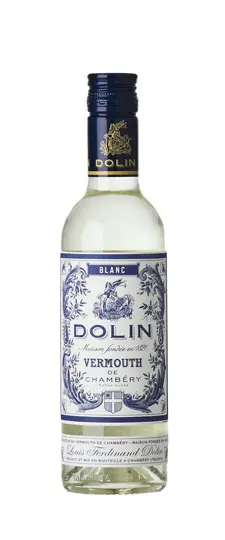
Made from the same set of recipes since 1821, Dolin Vermouth de Chambéry has long been the benchmark for fine French Vermouth. Made with fine wines of the region and botanicals found in the alpine meadows above Chambéry, together they impart a fresh and elegant nose, with a subtle and complex palate. Ideal as an aperitif or in cocktails. In the late 19th century, Dolin Vermouth de Chambéry won medals in Paris, London, St. Louis, and Philadelphia and in 1932 earned Chambéry France's only Appellation d’ Origine for Vermouth.
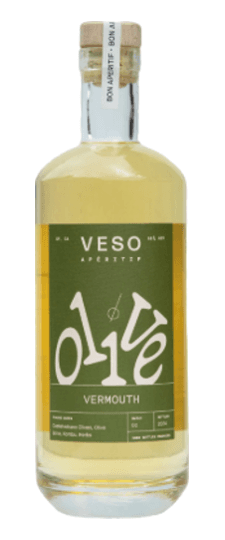
From the outer edges of the modern aperitif movement comes one of the more compelling evolutions of vermouth in years. Crafted in Veso, this savory-driven expression shifts the focus away from sweetness and bitterness toward pure umami precision. Built on a base of California white wine fortified with neutral grape spirit, it’s infused with fresh Castelvetrano olives, with a touch of their natural brine folded back in to enhance texture and depth. The botanical profile reads more like a kitchen than a still: rosemary, thyme, oregano, citrus peel, dill seed, and a subtle thread of kombu that adds a gentle saline richness. The result is not simply olive flavored, but a complete and layered expression that evokes marinated olives with lift and clarity rather than blunt salinity. At 18% ABV, it excels as the ultimate dirty martini vermouth, delivering depth without the need for added brine, but its versatility extends far beyond a single application. A serious, thoughtful take on vermouth that brings savory complexity into sharp focus.
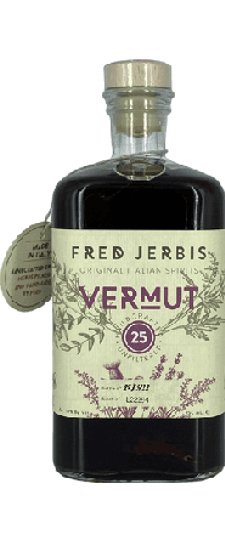
Got a craft vodka you'd like to shake in ice with just a splash of vermouth? Artisanal vermouth is the way to go: in the town of Polcenigo, in Friuli, Fred Cremasco employs Verduzzo, a high-quality white wine of Friulia, as his base and infuses his vermouth with 25 different botanicals. The importers tasting note: "Very complex, refined flavor of herbs and citrus with a beautifully balanced bitterness on the finish. Fred says ‘Thanks to a special processing of the herbs, the body has fruity notes that range from red fruits to black cherry; the bitter tones come from the maceration of herbs like gentian root and cinchona bark. Rounded and smooth in the end, thanks to the seeds and roots of angelica. Aftertaste: a persistent bitter note owing to the intensity of wormwood and masterwort, and particularly to juniper berries." Note: This may throw a bit of sediment, a sign of minimal processing and high quality.
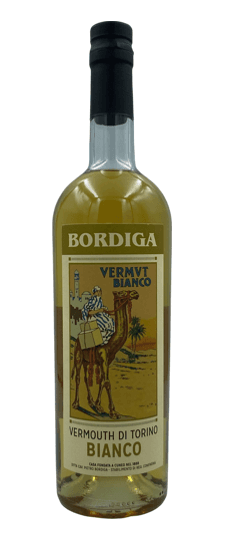
This classic vermouth type is based on Piedmontese white wines, including some Moscato, and infused with more than thirty different botanicals, many of them grown in the Occitan Alps near the winery. The flavor of this vermouth is complex and vivid, with an excellent balance of sweetness and bitterness. Some vermouths taste strongly of a single botanical, but the interplay of components here is distinctive and delicious. All of the herbal infusions are done individually and in-house. Add it to your favorite cocktail, but not before you try it on the rocks with a splash of soda. The Bordiga is so delicious and complex that it easily stands alone.
Otto’s brings a Greek identity to vermouth, the historic category of fortified, aromatized wine traditionally built around wormwood and other botanicals. Produced in Greece and named for Athens, this 750ml bottling offers a distinctive regional entry into a classic European aperitif tradition.
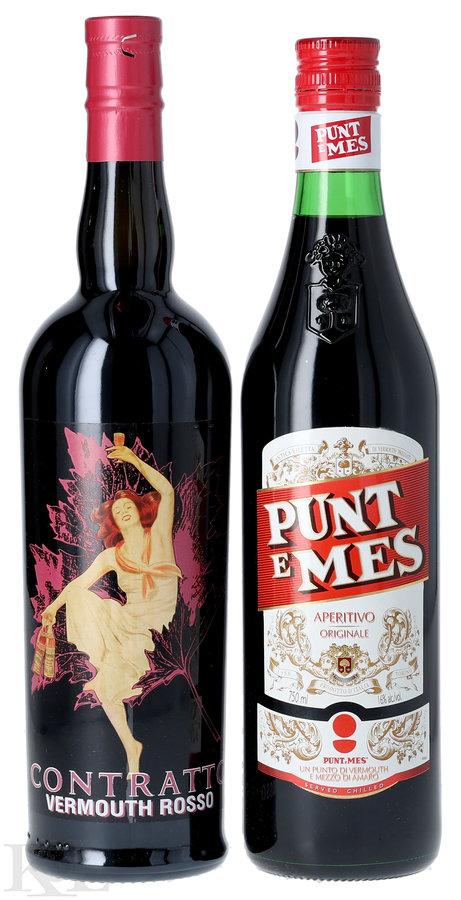
Bid on this 2-bottle tasting lot; including 1-bottle of Carpano "Punt E Mes" Vermouth (93WE) and 1-bottle of Contratto Rosso Vermouth. Of the Carpano "Punt E Mes" Vermouth, Wine Enthusiast writes: "This aroma of this sweet vermouth suggests dark berries and savory spices. The first sip is sweet, rich and plummy, with flickers of juicy orange. The long finish is shored up with baking spice and dried thyme. Recommended for cocktails. (KN)" (02/2014)
Current Bid
Ends 08/31/26 3:10PM PT
Tempus Fugit has finally brought us a classic dry vermouth! The same incredible quality you expect from the brand is of course the hallmark here. Use this anywhere that calls for dry vermouth, extra dry, or French Vermouth. While this is made in Piedmont, it is done in the classic French style and is a perfect choice for half of your 50/50 martini.
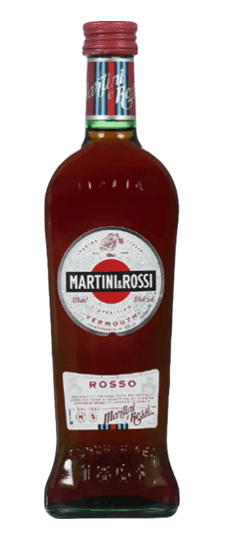
Martini & Rossi traces its history to 1863 in Piedmont, a region central to Italy’s vermouth tradition. This sweet vermouth is an aromatized fortified wine made with a proprietary selection of botanicals. The compact 375ml bottle is a practical format for classic cocktails and other recipes calling for sweet vermouth.
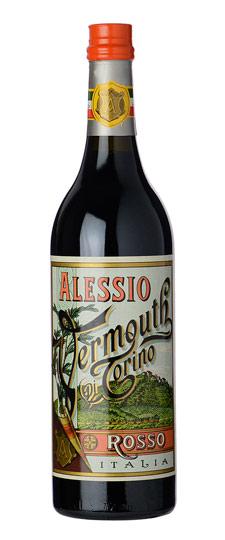
Landing on the more bitter end of the vermouth spectrum, almost feeling like a cross between sweet vermouth and amaro, this nut-brown bottling has a roots-and-herbs aroma with a dark berry-like hint in back. On the palate, it's plummy and mouthwateringly tart, with a just-bitter-enough finish that shows dried herbs, sarsaparilla and espresso. (KN)
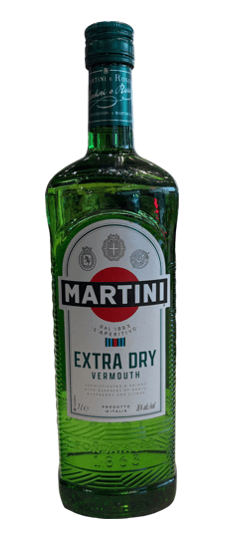
Martini & Rossi traces its roots to Turin in 1863, while its Extra Dry vermouth debuted on New Year’s Day 1900 following years of development. Presented here in a one-liter format, this Italian vermouth continues the classic tradition of aromatizing wine with a proprietary selection of botanicals for use in established dry-vermouth cocktails.
Scruffy White is a handcrafted California vermouth meant for spritzing or sipping without taking yourself too seriously, made from a wine base fortified and aromatized with botanicals and citrus elements that bring zesty bright character and subtle bitter balance. Organically farmed fruit and zero artificial anything, this stupendous product starts with a base of orange muscat and muscat canelli, before fortification and 21 hand selected botanicals. Built on an ethos of natural flavor and small-batch care that shows on the nose with orange peel and crushed herbs and on the palate with a grounding bitter backbone ideal for aperitif service or light cocktails. Production is artisanal and highly limited. the style reflects classic white vermouth structure combining floral-citrus aromatics with herbal depth. Serve chilled over ice with a twist or as the central element in lighter mixed drinks.
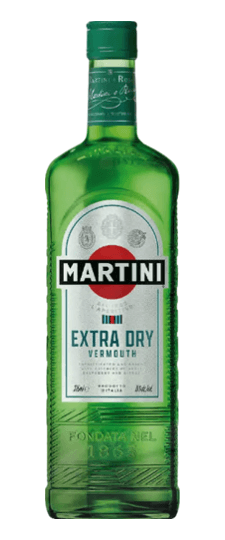
Martini & Rossi traces its roots to Turin in 1863, while its Extra Dry vermouth debuted on New Year’s Day in 1900. This Italian aromatized fortified wine builds on the house’s long vermouth tradition and comes in a convenient 375ml half bottle, well suited to classic cocktail preparation.
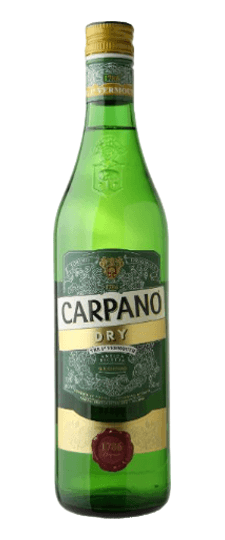
The Carpano Dry Vermouth is a refined, herbaceous dry vermouth from the historic Carpano house. The aromatics are clean, featuring citrus peel and alpine herbs (wormwood, chamomile). It is wonderfully dry and crisp, with a balanced complexity between subtle sweetness and bitterness. It is the ideal component for a classic Martini.
Join our list
Exclusive offers, new arrivals, and expert picks